Warning signs of fatty liver disease: A clinical analysis of silent symptoms and metabolic markers
Metabolic dysfunction-associated steatotic liver disease, frequently referred to as fatty liver disease, represents an increasingly common medical condition where excess fat accumulates within liver cells 1. Often described as a silent condition, it typically presents with few or no identifiable symptoms during its early stages, leading many individuals to remain unaware of its presence until routine medical screening occurs 2. Recognizing the underlying risk factors and subtle physiological signals is essential for timely intervention and the prevention of long-term hepatic complications 3.
The Silent Presentation of Early-Stage Steatosis
In its initial phases, the accumulation of fat in the liver, known as simple steatosis, rarely produces noticeable physical changes or systemic distress 4. Because the liver maintains its functional capacity even with moderate fat deposits, patients often report feeling entirely asymptomatic 5. Consequently, the discovery of this condition frequently occurs incidentally during routine blood panels-which may show elevated liver enzymes-or during imaging studies performed for unrelated abdominal concerns 6.
While the disease remains clinically occult in many cases, medical professionals suggest that the absence of symptoms does not equate to an absence of risk 7. Patients who do experience early indicators often report a generalized sense of malaise or a consistent lack of energy, frequently described as persistent fatigue or physical weakness 8. Furthermore, some individuals identify mild, vague discomfort localized in the upper right quadrant of the abdomen, which may be attributed to a slight enlargement of the liver 9.
Metabolic Risk Factors and Precursor Conditions
The development of fatty liver disease is strongly correlated with specific metabolic syndromes, rather than localized trauma or infection 10. Clinical data consistently demonstrates that the probability of developing hepatic fat accumulation increases significantly in patients presenting with obesity, type 2 diabetes, or high cholesterol levels 11. The presence of insulin resistance acts as a primary driver, as the liver struggles to process and store energy correctly, eventually leading to metabolic dysfunction 12.
Healthcare providers often evaluate the presence of metabolic syndrome as a critical indicator for potential liver involvement 13. Criteria for this syndrome include a high waist circumference, elevated fasting blood glucose, high blood pressure, and abnormal lipid profiles, specifically high triglycerides and low high-density lipoprotein levels 14. Each of these components serves as a diagnostic warning sign that the liver may be under metabolic stress, necessitating a more thorough clinical review of hepatic health 15.
Progression to Steatohepatitis and Fibrosis
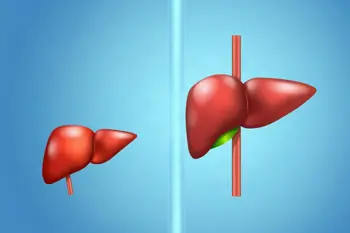
When the condition advances beyond simple steatosis, it may transition into metabolic dysfunction-associated steatohepatitis, or MASH, characterized by inflammation and cell damage 16. Unlike the earlier stage, MASH involves swelling of the liver tissue, which can cause more pronounced hepatomegaly, or liver enlargement, detectable during physical examinations 17. This inflammatory state represents a critical threshold, as persistent inflammation frequently initiates the process of fibrosis, where scar tissue forms around the liver and nearby vascular structures 18.
The transition toward fibrosis often remains gradual, spanning several years, which complicates early detection efforts 19. Patients may notice a decline in overall appetite or persistent nausea as the liver's ability to facilitate digestion and metabolic homeostasis begins to shift 20. Because these symptoms are non-specific and overlap with many other common gastrointestinal issues, they are frequently overlooked by patients until the damage becomes more significant and impacts systemic function 21.
Advanced Clinical Manifestations of Cirrhosis
If the disease progresses to cirrhosis, the liver undergoes irreversible scarring, which significantly compromises its structural integrity and functional performance 22. At this advanced stage, the warning signs become more acute and clinically apparent, often necessitating immediate medical attention 23. Common indicators include jaundice, which is the yellowing of the skin or eyes resulting from the accumulation of bilirubin that the damaged liver can no longer effectively process 24.
Additional signs of advanced hepatic impairment involve systemic fluid retention, specifically ascites, which manifests as significant swelling in the abdomen or lower extremities 25. Patients may also experience skin pruritus, easy bruising, and cognitive disturbances like confusion, which indicate that toxic byproducts are accumulating in the bloodstream 26. Gastrointestinal bleeding or the presence of black, tarry stools also represent serious warning signs of portal hypertension related to advanced cirrhosis and require urgent intervention 27.
Diagnostic Approaches and Clinical Monitoring
Diagnosis relies on a comprehensive assessment involving medical history, physical exams, and standardized testing, as no single symptom confirms the diagnosis 28. A clinical review typically includes questions regarding lifestyle factors, such as physical activity levels and dietary sugar intake, alongside a review of alcohol consumption to distinguish between metabolic and alcohol-associated conditions 29. Physical examinations often focus on body mass index and the identification of signs associated with insulin resistance, such as acanthosis nigricans, which appears as darkened skin patches on the neck, knuckles, or elbows 30.
Imaging modalities and blood analysis play a central role in monitoring liver health once risk factors are identified 31. While standard blood panels may detect abnormal liver enzymes, they cannot distinguish between simple fat accumulation and severe inflammatory damage 32. Advanced technologies, such as FibroScan, are increasingly employed to measure liver stiffness non-invasively, providing practitioners with a more granular understanding of potential scarring without the need for invasive procedures 33.
Management and Lifestyle Considerations
The primary focus of managing liver health centers on mitigating the underlying metabolic factors that facilitate fat accumulation 34. Evidence suggests that weight management through controlled dietary changes and regular physical activity can effectively reduce fat deposits within the liver cells 35. By controlling blood glucose, lipid levels, and blood pressure, patients can potentially arrest the progression of the disease and allow the liver to remain functional 36.
Maintaining ongoing communication with medical specialists, such as gastroenterologists or hepatologists, is vital for those with confirmed metabolic risk factors 37. These professionals can provide individualized care plans and, in some instances, offer access to emerging therapeutic research exploring pharmacological interventions 38. Because of the potential for the condition to progress to liver failure or cancer, systematic, long-term monitoring remains the clinical standard for ensuring patient safety and health stability 39.
Sources
- National Institute of Diabetes and Digestive and Kidney Diseases: Symptoms & Causes of NAFLD & NASH
- Mayo Clinic: Fatty Liver Disease (MASLD) - Symptoms and Causes
- Penn Medicine: Fatty Liver Disease Symptoms and Causes
- Cleveland Clinic: Steatotic (Fatty) Liver Disease: Symptoms & Treatment
- NHS Inform: Non-alcoholic fatty liver disease (NAFLD)
- Acibadem Hospitals Group: Fatty Liver: Symptoms, Causes And Treatment
- Acibadem Hospitals Group: Nonalcoholic Fatty Liver Disease: Signs & Risks
- NIDDK: Diagnosis of NAFLD & NASH
- NDTV Health: Liver Specialist Reveals 8 Warning Signs Of Fatty Liver You Shouldn't Miss
- Houston Regional Gastroenterology Institute: Early Signs of Fatty Liver Disease and When to Get Scanned
Authored by MyTrendSpot team