Early symptoms of Hemorrhoids you should know: Clinical Analysis and Diagnostic Guidance
Hemorrhoids, frequently referred to as piles, represent a common clinical condition involving swollen or inflamed veins located in the lower rectum or around the anal canal 4. Affecting approximately one in 20 American adults and nearly half of individuals over the age of 50, this condition is a frequent subject of patient inquiries 4. Recognizing the early symptoms is critical, as prompt awareness can lead to more effective conservative management and prevent the progression toward more complex clinical outcomes 8.
Defining Hemorrhoids and Anatomical Context
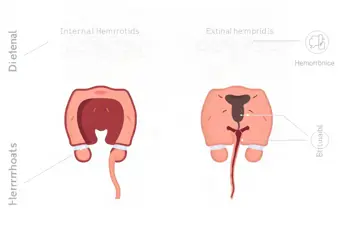
Hemorrhoids are not inherently abnormal; rather, they are part of the normal human anatomy as vascular cushions that assist in bowel control 4, 6. They become a symptomatic health concern only when these vessels experience dilation, inflammation, or irritation 5. Clinically, hemorrhoids are classified by their anatomical location: internal hemorrhoids develop within the rectum, while external hemorrhoids occur under the skin surrounding the anal opening 2, 5.
The symptomatic profile of the condition is largely dictated by whether the hemorrhoid is internal or external 1. Because the internal rectum lacks the same density of pain-sensing nerves as the exterior skin, internal hemorrhoids are often characterized by painless symptoms, whereas external hemorrhoids are frequently associated with tangible discomfort or tenderness 9. Understanding these nuances is the first step in identifying the potential presence of this common digestive health issue 8.
Common Early Symptoms of Internal Hemorrhoids
The most frequent indicator of internal hemorrhoids is the observation of bright-red blood during or after a bowel movement 2, 9. This blood may be visible on the surface of the stool, on the toilet paper, or within the toilet bowl 1. Importantly, this bleeding is often painless, which may lead individuals to overlook the initial signs 8, 9. Over time, if an internal hemorrhoid becomes enlarged, it may prolapse, meaning it pushes through the anal opening 1, 8.
When a hemorrhoid prolapses, it may present with symptoms such as a feeling of fullness, mucus discharge, or the persistent sensation that a bowel movement has not been completed 1. While not always painful, a prolapsed hemorrhoid can cause significant discomfort and irritation as the tissue remains exposed to the external environment 1. Monitoring these changes is vital for determining the appropriate course of clinical evaluation and subsequent treatment planning 6.
Identifying External Hemorrhoid Indicators
External hemorrhoids frequently manifest with symptoms that are more readily apparent to the patient than their internal counterparts. Common early signs include persistent itching, irritation, or soreness around the anal area, which can be exacerbated by cleaning or friction during daily activities 1, 2. In many instances, an individual may feel one or more firm, tender lumps near the anal opening 1, 5. These lumps may appear as small skin-colored, pink, red, or bluish tissue folds 6.
A specific and acute manifestation occurs if an external hemorrhoid becomes thrombosed, meaning a blood clot forms within the swollen vein 6. A thrombosed hemorrhoid is typically accompanied by sudden, severe anal pain and a noticeably firm, discolored lump 5, 6. While external hemorrhoids can occasionally regress within a few days, persistent or worsening pain necessitates a professional clinical assessment to manage the acute inflammation and discomfort effectively 1.
| Symptom | Internal Hemorrhoid | External Hemorrhoid |
|---|---|---|
| Bleeding | Common, usually bright red | Less common |
| Pain | Rare, unless prolapsed | Frequent, especially if thrombosed |
| Itching | Mild | Significant |
| Palpable Lump | Only if prolapsed | Common |
The Necessity of Differential Diagnosis
While hemorrhoids are the most prevalent cause of anal discomfort, they are not the exclusive cause of such symptoms 1. Clinical experts emphasize that rectal bleeding should never be automatically attributed to hemorrhoids without a professional examination 2, 7. Other conditions that may mimic hemorrhoid symptoms include anal fissures, inflammatory bowel disease-such as Crohn’s disease or ulcerative colitis-and colorectal cancer 1, 3.
Patients are urged to consult a healthcare provider if symptoms persist beyond one week of home-based conservative measures or if there is any pattern of rectal bleeding 1, 7. A physician may perform a physical, digital rectal exam, or utilize diagnostic tools such as anoscopy or sigmoidoscopy to confirm the source of the symptoms 3. This diagnostic rigor is essential to rule out more serious underlying pathologies that require specialized medical intervention 3, 7.
When to Seek Professional Medical Evaluation
Prompt medical attention is required when specific warning signs are present. Any evidence of black or tarry stools, heavy or continuous rectal bleeding, unexplained weight loss, or persistent changes in bowel habits that last for several days warrants immediate diagnostic review 6, 7. Furthermore, if an individual experiences fever, dizziness, or fainting, these indicate a more serious systemic issue that goes beyond standard hemorrhoidal irritation 6.
Even in the absence of severe symptoms, if initial treatment efforts for suspected hemorrhoids do not yield improvement within two weeks, patients are encouraged to follow up with a physician 7. Maintaining an active dialogue with medical professionals ensures that symptoms are accurately monitored and that any potential complications are addressed before they necessitate more invasive surgical procedures 7, 8.
Preventative Strategies and Long-term Management
Management of hemorrhoids often centers on minimizing pressure within the anal and rectal veins, which is the primary cause of vein swelling 3, 8. Lifestyle adjustments that facilitate this include increasing dietary fiber intake, ensuring adequate fluid consumption, avoiding prolonged sitting on the toilet, and refraining from straining during bowel movements 2, 6. These steps serve as both a preventive measure for those prone to the condition and as part of an ongoing care strategy for those who have already experienced symptoms 5.
Regular physical activity also plays a vital role in maintaining digestive health and reducing the likelihood of chronic constipation, a significant contributor to hemorrhoidal development 2, 5. While hemorrhoids are highly common, consistent adherence to these behavioral modifications significantly aids in symptom reduction and improves the overall quality of life for those impacted by the condition 5, 6.
Sources
- National Institute of Diabetes and Digestive and Kidney Diseases, Symptoms & Causes of Hemorrhoids
- Acibadem Hospitals Group, Hemorrhoids Symptoms: Early Signs To Know
- Family Doctor, Hemorrhoids
- Prevention, The Early Signs of Hemorrhoids Doctors Say You Shouldn’t Ignore
- Franciscan Health, What Are Hemorrhoids?
- Acibadem Hospitals Group, What Do Hemorrhoids Look Like? Signs Explained
- Memorial Sloan Kettering Cancer Center, Rectal Bleeding: Is It Hemorrhoids or Could It Be Cancer?
- Toronto Hemorrhoid Clinic, Early Signs of Hemorrhoids You Shouldn’t Ignore
- Digestive Endoscopy Clinic, Early Signs of Piles You Should Not Ignore
Authored by MyTrendSpot team