How to lose weight with hypothyroidism safely: Evidence-based approaches to metabolic management
The Metabolic Reality of Hypothyroidism
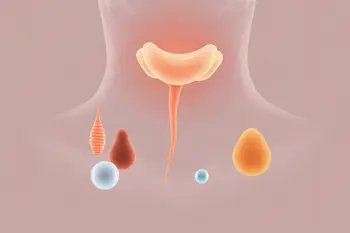
For individuals with an underactive thyroid, the conventional advice of eating less and exercising more often fails to produce expected results. Hypothyroidism directly impacts the thyroid gland's production of triiodothyronine (T3) and thyroxine (T4), which are essential for regulating metabolic rate 7. When these hormone levels are low, the body's basal metabolic rate (BMR) can drop by as much as 15% to 40% 6. This physiological slowdown means that the body burns fewer calories at rest, and standard dietary calculators may overestimate an individual's actual energy needs 3, 7.
Furthermore, this condition frequently triggers symptoms such as persistent fatigue, fluid retention, and cold intolerance, which collectively reduce total daily energy expenditure 4, 7. Because the body's primary metabolic gear is effectively decelerated, attempting to force weight loss through extreme caloric restriction can be counterproductive. Such practices may inadvertently suppress the conversion of T4 to T3, potentially worsening thyroid function and making long-term weight management significantly more difficult 2, 5.
Medical Management and Hormone Optimization
The foundation of any successful weight management strategy in the presence of hypothyroidism is the optimization of thyroid hormone therapy. Taking prescribed medication, such as levothyroxine, is the primary clinical step to restore systemic hormone balance 1. Consistent, correct usage of this medication is vital; it should ideally be taken on an empty stomach, 30 to 60 minutes before the first meal, to ensure optimal absorption 1, 9. Restoring TSH levels to a target range, typically between 0.5 and 2.5 mIU/L, often facilitates the initial shedding of fluid weight and improves overall metabolic function 6, 7.
Beyond basic hormone replacement, clinical evaluation should investigate potential comorbidities that complicate weight loss. Research indicates that hormone resistance, specifically regarding leptin and insulin, can create significant barriers to progress 1, 5. Practitioners often recommend testing fasting glucose and insulin levels to identify these issues 1. Regular monitoring of TSH, Free T3, and Free T4 levels provides a more accurate baseline for metabolic viability than relying on generic weight loss formulas 2, 8.
Nutritional Strategies for a Slower Metabolism
Rather than adopting restrictive fad diets, individuals with hypothyroidism benefit from a nutrient-dense approach that prioritizes satiety and inflammation reduction. Consuming adequate protein is essential; at least 60 grams of animal protein or 100 grams of plant-based protein daily helps maintain muscle mass, which is a key driver of metabolic health 2. Whole foods, including fiber-rich vegetables, berries, and fatty fish, are generally recommended to manage symptoms like bloating and systemic inflammation 1, 6, 10.
Specific micronutrient balance also plays a role in supporting the thyroid's ability to function. Selenium and zinc are critical for the efficient conversion of T4 to T3, while iodine must be kept in careful balance-too little or too much can disrupt thyroid hormone production 4, 9, 10. Because processed foods and certain substances like soy protein isolate can interfere with medication absorption or overall thyroid health, dietary choices should be made with careful consideration of these interactions 9.
Exercise and Physical Activity Considerations
Physical activity remains a core pillar of metabolic health, but the timing and intensity must be adjusted to match the body's current capacity. Resistance training is often preferred over steady-state cardio because building and preserving muscle tissue helps support the resting metabolic rate 2, 7, 10. This approach avoids the excessive fatigue that can accompany high-intensity interval training (HIIT) when thyroid hormones are not fully optimized 9.
For those in the early stages of treatment, exercise should focus on sustainable consistency rather than intensity. Overtraining can raise cortisol levels, which in turn hinders thyroid hormone conversion and promotes weight retention 5. Tracking both caloric intake and activity levels can assist in identifying the specific metabolic hurdles unique to an individual's condition, allowing for a more personalized and effective plan over time 10.
Lifestyle Factors: Sleep and Stress
Chronic stress is a major trigger for thyroid dysfunction, as it elevates cortisol, which interferes with metabolic efficiency and promotes fat storage 2, 5. Effective stress management is therefore not merely a lifestyle preference but a biological necessity for those with an underactive thyroid. Similarly, the quality and duration of sleep significantly impact hunger-regulating hormones like ghrelin and leptin 9. Prioritizing 7 to 9 hours of restorative sleep per night is essential for regulating appetite and supporting the body's recovery processes 9.
| Factor | Hypothyroidism Impact | Management Approach |
|---|---|---|
| Metabolic Rate | Lowered by 15-40% | Optimize hormone dosage |
| Fluid Retention | Common symptom | Hydration and medication |
| Exercise | Susceptible to burnout | Prioritize resistance training |
| Cortisol | Elevated by stress | Focus on stress regulation |
Seeking Professional Clinical Guidance
Navigating weight loss with hypothyroidism requires a collaborative relationship with a healthcare provider, such as an endocrinologist or a registered dietitian specialized in thyroid health. Because the condition is chronic, quick fixes are generally ineffective and may be hazardous. Instead, patients should look for providers who prioritize comprehensive lab work-including antibodies and full T3/T4 panels-to guide treatment decisions 2. Ongoing maintenance involves regular reassessments to ensure the medication dosage remains appropriate as metabolic needs shift during the weight loss process 1.
Sources
- Verywell Health: Is It Possible to Lose Weight With Hypothyroidism?
- RestartMed: Weight Loss With Hypothyroidism: You’re Doing it Wrong
- Nutri Activania: Weight Loss Diet for Hypothyroidism
- CounselHeal: Hypothyroidism Weight Loss Strategies
- HealthcareOnTime: Why Is Hypothyroidism Weight Loss So Hard?
- WeightFAQ: Hashimoto’s Thyroiditis and Weight Loss
- CalEye: Hypothyroidism and Weight Loss: Calorie Needs
- Liv Hospital: How to Lose Weight With Hypothyroidism: A Plan
- Dyt. Şeyda Ertaş: Hypothyroidism Nutrition Guide 2026
- General Medical Consensus on Thyroid Metabolism Management
Authored by MyTrendSpot team