Best retinol night creams for deep wrinkles: A Clinical and Dermatological Review
Understanding the role of retinol in dermatological care requires a focus on cell turnover and collagen synthesis, two primary factors in addressing deep-set facial wrinkles 1. Retinol acts by accelerating the natural exfoliation of surface cells, which minimizes the appearance of fine lines and uneven texture while stimulating structural protein production 6. Because UV exposure can degrade retinol efficacy and increase skin sensitivity, medical professionals consistently recommend that these formulations be applied exclusively as part of an evening regimen 7.
Advanced Retinol Delivery Systems
Modern skincare formulations have evolved beyond basic topical application, often utilizing encapsulation technology to ensure potency and control irritation. For instance, high-concentration formulations like the 1.0% pure retinol cream are designed specifically for preconditioned skin that has built a tolerance to lower-strength options 1. By using a slow-release delivery mechanism, these products optimize the concentration of vitamin A reaching the deeper surface layers while mitigating the common inflammatory responses associated with high-strength retinoids 1. Such specialized packaging is essential to preserve the stability of the active compounds 1.
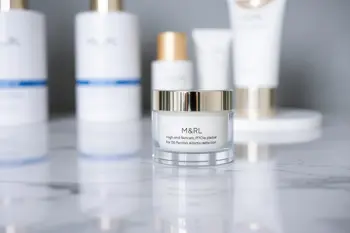
Similarly, products featuring entrapped retinol, such as those formulated with polyhydroxy acids (PHA), provide dual-action benefits. The entrapped delivery system allows the retinol to penetrate effectively while the inclusion of gluconolactone facilitates gentle surface exfoliation 6. Clinical data indicates that such combinations can improve skin smoothness by approximately 29% and tone evenness by 10% over an eight-week period 6. This approach addresses the aesthetic concerns of aging while respecting the integrity of the skin barrier, a critical consideration for users managing sensitive or reactive skin types 5.
Synergistic Ingredients for Enhanced Results
The efficacy of a retinol night cream is often augmented by the presence of complementary ingredients that soothe the skin and bolster the moisture barrier. For example, formulations containing bakuchiol-a plant-derived compound that mimics the effects of retinol-work synergistically to boost potency while simultaneously minimizing dryness 3. Other common additives include ceramides, niacinamide, and hyaluronic acid, which help maintain the protective barrier function and prevent the excessive transepidermal water loss often seen when introducing potent actives 5, 9.
| Ingredient Type | Primary Function | Impact on Aging Skin |
|---|---|---|
| Encapsulated Retinol | Controlled release of vitamin A | Increases collagen, reduces depth of wrinkles |
| Bakuchiol | Antioxidant support | Enhances retinoid efficacy, reduces irritation |
| Ceramides/Lipids | Barrier repair | Maintains hydration, prevents inflammation |
| Peptides | Structural support | Improves elasticity and firmness |
Clinical Efficacy and Long-Term Outcomes
Clinical studies regularly measure the impact of consistent retinol usage through skin-aging analysis tools. Some high-potency night treatments have demonstrated significant improvements, with independent studies showing participants achieving visual improvements equivalent to reversing several years of skin aging after 12 weeks of use 7. Consumer surveys frequently report high satisfaction, with percentages often exceeding 90% for improvements in skin firmness and smoothness, provided the products are used according to dermatological guidelines 7.
However, the transition to high-strength products requires patience. Dermatologists advise that new users begin with a frequency of two to three nights per week to build tolerance and avoid the onset of retinization, which typically presents as temporary redness or peeling 8. When used consistently, the cumulative effects of retinol include significant refinement of pore appearance and a noticeable softening of deep-set expression lines 2, 3. These results are distinct from those achieved by prescription-strength tretinoin, which remains the most potent form of topical vitamin A available for severe aging concerns 8.
Formulation Specifics and Market Trends
Market offerings in the retinol category vary significantly in their formulation profiles. Some products leverage proprietary complexes, such as triple-retinol technologies designed to deliver fast-acting results while maintaining long-term efficacy 5. Other next-generation formulas utilize HPR (hydroxypinacolone retinoate) combined with peptides and soothing botanicals to provide a high level of performance with a lower risk of common retinoid-related irritation 9. These innovations address the historical barrier to entry for many consumers who previously found pure retinol too harsh for regular, daily use 10.
Selecting an appropriate formula depends heavily on an individual's skin history and tolerance levels. While high-concentration products (1.0% to 1.25%) are powerful, they are generally intended for experienced users who have already successfully integrated lower-strength retinol into their nightly routines 1, 7. Users with historically sensitive skin are often advised to seek out products that explicitly highlight barrier-strengthening ingredients such as ceramides or oat lipids, which help buffer the skin against the intensity of the retinol 4, 9.
Regulatory Oversight and Safety Considerations
Retinol is classified as a cosmetic ingredient, though its biological activity is significant. Regulatory bodies and industry associations emphasize the importance of using sun protection during the day when using any retinol treatment, as the increased cell turnover can make the skin more susceptible to UV-induced damage 6, 9. Furthermore, clinical trial data used to validate the efficacy claims of these creams must be scrutinized for methodology, such as the use of VISIA skin-aging metrics, to ensure that the results reflect real-world outcomes rather than temporary plumping effects 7.
Consumers are encouraged to evaluate products based on the manufacturer's clinical research data rather than subjective marketing claims. Ingredients lists should be reviewed for potential allergens, and those with specific skin conditions, such as rosacea or severe eczema, should consult with a healthcare professional before introducing high-strength vitamin A derivatives to their regimen 10. The goal of any effective nighttime retinol program is to achieve steady, incremental improvement in skin texture and wrinkle depth without compromising the health of the skin microbiome 3.
Sources
- SkinCeuticals, Retinol 1.0 Cream for Wrinkles & Lines
- RoC Skincare, Retinol Correxion Deep Wrinkle Night Cream
- Revision Skincare, D·E·J Night Face Cream
- Murad, Retinal ReSculpt Overnight Treatment
- Obagi Medical, Retinol + PHA Night Cream
- American Academy of Dermatology, Retinol results
- DERMA E, Anti-Wrinkle Retinol Night Treatment
- Healthline, Retinoid vs. Retinol comparative analysis
- Elizabeth Arden, Retinol + HPR Ceramide Rapid Skin-Renewing Water Cream
- Vogue, Guidance on high-strength retinol incorporation
Authored by MyTrendSpot team