Best beeswax balm for dry, chapped lips: An analytical review of formulations and dermatological considerations
When evaluating the best beeswax balm for dry, chapped lips, consumers often encounter a wide array of formulations designed to address varying levels of lip compromise. Beeswax is frequently utilized as a primary ingredient due to its ability to create a breathable, protective barrier that helps retain moisture on the delicate surface of the lips 1, 3, 5. While many commercial products leverage beeswax to provide a smooth, matte finish or a conditioning effect, the efficacy of these balms often depends on the supporting ingredients and the absence of common irritants 1, 6, 7.
The Role of Beeswax in Lip Hydration and Barrier Protection
Beeswax functions primarily as an occlusive agent, meaning it forms a physical shield that prevents transepidermal water loss 3, 5, 6. In many natural formulations, such as those produced by brands like Sanbe Beauty or Oz Beeswax, the beeswax is paired with plant-derived oils-such as coconut, sunflower, or jojoba oil-to provide a balance of hydration and protection 2, 3, 6. This combination allows the balm to condition the skin deeply while keeping external environmental stressors from directly contacting the vulnerable tissue 1, 6. Research indicates that these ingredients, when used consistently, help to maintain the integrity of the lip surface and improve the feel of rough or peeling skin 3, 5.
Common Ingredients and Potential Irritants
While beeswax-based balms are generally well-regarded, dermatology guidance suggests caution regarding additional ingredients found in many popular products 9. Flavorings, fragrances, menthol, and camphor are frequently included to provide a sensory experience, yet these additives are established as common causes of contact cheilitis or localized irritation 1, 9. For instance, while peppermint oil provides a refreshing tingling sensation, it may exacerbate inflammation in individuals with already compromised or sensitive lip barriers 1, 2. When searching for the most suitable balm, consumers are often advised to prioritize fragrance-free and flavor-free options to minimize the risk of allergic reactions 10.
| Ingredient Category | Function | Common Examples |
|---|---|---|
| Occlusives | Seals in moisture | Beeswax, Lanolin, Petrolatum |
| Emollients | Softens and smoothes skin | Coconut oil, Shea butter, Cocoa butter |
| Potential Irritants | Flavor/Fragrance/Sensation | Menthol, Camphor, Essential oils |
Formulation Profiles: Comparing Natural and Traditional Balms
Different products utilize varying ratios of ingredients to meet specific user needs. Minimalist formulations, such as those found in certain organic, fragrance-free balms, focus on high-quality wax and plant oils to ensure compatibility with sensitive skin 5, 10. Conversely, some multi-balm products incorporate a trio of petrolatum, lanolin, and beeswax to achieve a higher degree of occlusion, which can be beneficial for severe or chronic cracking 4, 8. The selection between a purely organic, wax-heavy formula and one utilizing synthetic or semi-synthetic additives depends largely on the severity of the dryness and individual sensitivity to botanical substances 4, 9.
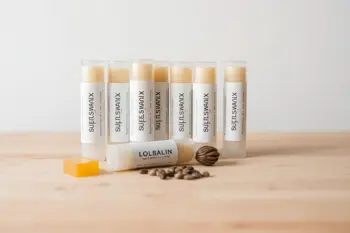
Essential Considerations for Chronic Lip Dryness
Persistent chapped lips that do not respond to standard moisturizing treatments may indicate underlying issues such as environmental exposure, chronic dehydration, or medical conditions like dermatitis or allergies 7, 8. The American Academy of Dermatology highlights the importance of using non-irritating products and notes that, in cases of extreme dryness, simple petroleum-based ointments are often recommended for their inert, non-sensitizing nature 6. If a condition involves bleeding, infection, or a failure to heal despite consistent, clean lip care, professional evaluation is necessary to rule out systemic or localized pathology 8, 9.
Sun Protection in Daily Lip Care
A critical, often overlooked aspect of lip health is protection against ultraviolet radiation 11. Most standard beeswax lip balms do not contain active ingredients capable of blocking UV rays, meaning they do not provide inherent sun protection 11. For outdoor activities, the American Academy of Dermatology recommends the application of a dedicated lip product formulated with an SPF 30 or higher 11. Consumers should evaluate whether their chosen daily balm offers this protection, or if a separate SPF-rated product should be layered over the base moisturizing treatment during peak sun exposure hours 11.
Selection Guidelines for Consumers
When selecting a product, the most practical approach involves examining the full ingredient list for high-quality, recognizable components like beeswax and plant-derived butters while actively avoiding known irritants 6, 9. Shoppers should favor products that provide clear information regarding their composition and prioritize those with minimal, clean ingredient decks, especially if they have a history of skin sensitivity 4, 5. Regular, consistent application is generally more important for success than the specific brand, provided the formula is free from substances that cause stinging or burning upon contact 3, 6.
Sources
- Burt’s Bees: https://www.burtsbees.com/product/beeswax-lip-balm/
- Oz Beeswax: https://www.ozbeeswax.com/products/australian-beeswax-lip-balm-with-only-3-ingredients
- Farmacy Honey Butter: https://www.ulta.com/p/honey-butter-beeswax-lip-balm-pimprod2049454
- Glossier Balm Dotcom Review (DermApproved): https://dermapproved.com/products/glossier-balm-dotcom/
- QueenBee Secrets: https://queenbeesecrets.com.au/products/bee-kissable
- American Academy of Dermatology: https://www.aad.org/public/everyday-care/skin-care-basics/dry/chapped-lips
- Mayo Clinic: https://www.mayoclinic.org/diseases-conditions/chapped-lips/symptoms-causes/syc-20355019
- Cleveland Clinic: https://my.clevelandclinic.org/health/diseases/15086-chapped-lips
- DermNet: https://dermnetnz.org/topics/contact-allergy-to-lipsticks-and-lip-care-products
- U.S. Food and Drug Administration (Cosmetics): https://www.fda.gov/cosmetics/cosmetic-ingredients/allergens-cosmetics
- American Academy of Dermatology (SPF): https://www.aad.org/public/everyday-care/skin-care-basics/dry/chapped-lips
Authored by MyTrendSpot team