Early symptoms of high cholesterol you should know: What medical evidence shows
People searching for the early symptoms of high cholesterol should know that the condition usually produces no noticeable warning signs. A person may feel healthy while LDL cholesterol contributes to fatty plaque buildup inside arteries. Because symptoms are unreliable, a blood test remains the central method for identifying abnormal cholesterol levels and assessing cardiovascular risk. 2
Why high cholesterol is usually silent
Cholesterol is a fatty substance made naturally by the body and used to form cell walls and certain hormones. The liver releases cholesterol into the bloodstream, where it is transported by lipoproteins. LDL, often called bad cholesterol, can contribute to cholesterol-rich deposits in artery walls when levels are too high. HDL helps carry excess cholesterol back to the liver for processing, but a favorable HDL level does not cancel out an elevated LDL level. 1
High cholesterol itself generally does not cause headache, dizziness, fatigue, or a distinctive sensation in the chest. Those symptoms may have many other causes and cannot establish that cholesterol is elevated. The NHS, CDC, American Heart Association, and other medical authorities consistently identify a blood test as the dependable way to detect the condition, including in people who have no symptoms. 2 4 6
The test that can identify it early
A lipid panel measures several blood fats and cholesterol categories, including total cholesterol, LDL cholesterol, HDL cholesterol, and triglycerides. Results are interpreted in the context of a person’s broader cardiovascular risk rather than from a physical sign alone. The test can identify an unfavorable lipid profile before plaque-related disease produces symptoms, which is why screening history and follow-up matter even when a person feels well. 6 7
Screening considerations include age, family history, diabetes, body weight, smoking, physical activity, diet, and other health conditions or medicines that may affect blood fats. Children and adults can have high cholesterol without knowing it, while inherited disorders can produce unusually high LDL from an early age. A clinician determines when testing is appropriate and how frequently results should be reviewed, rather than relying on symptoms as a trigger. 2 5 9
Rare visible signs around the eyes and skin
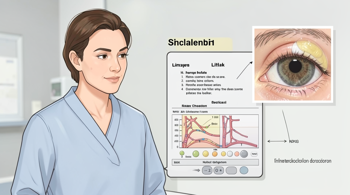
Visible changes can occur in people with severely elevated or inherited cholesterol, although they are not typical early symptoms for most patients. Xanthelasma consists of yellowish deposits that commonly appear around the eyelids. Similar cholesterol deposits, called xanthomas, may develop in the skin or other tissues. These findings can have causes other than cholesterol, so their presence does not replace a blood test or establish a diagnosis by itself. 3 8
A gray-white ring around the cornea, known as corneal arcus, may be associated with high cholesterol, particularly when it appears at a younger age. In older adults, such a ring may occur without indicating an inherited lipid disorder. Clinical references describe corneal arcus and xanthomas as physical findings that can raise suspicion for familial hypercholesterolemia, especially when combined with a strong family history or premature cardiovascular disease. 3 10
What tendon deposits may indicate
Tendon xanthomas are firm, yellowish cholesterol deposits that may occur over tendons such as the Achilles tendon or around the knuckles. They are uncommon in ordinary, moderately elevated cholesterol but can be a clue to familial hypercholesterolemia, an inherited condition associated with very high LDL levels. Their location and appearance require professional assessment because lumps near tendons can also result from other medical conditions. 8 10
Familial hypercholesterolemia can cause high LDL cholesterol from birth and may allow artery disease to develop earlier than expected. A young person with tendon deposits, early corneal arcus, or relatives who experienced heart disease at an unusually young age may warrant evaluation for an inherited disorder. Family history is therefore clinically relevant even when no visible sign is present, because most people with inherited or non-inherited high cholesterol still have no symptoms. 2 8
Symptoms that signal complications, not cholesterol itself
Chest pain, shortness of breath, leg discomfort during activity, or other circulation symptoms are not reliable early symptoms of high cholesterol. They may indicate that plaque has narrowed arteries or that cardiovascular disease has developed after a prolonged period of elevated cholesterol. Atherosclerosis affecting the heart can cause coronary artery disease and heart attack, while plaque affecting arteries supplying the brain can contribute to stroke. 1 3
Sudden weakness, trouble speaking, facial drooping, or other abrupt neurologic changes may reflect a stroke and require urgent medical attention. Severe or persistent chest discomfort and breathing difficulty can also represent a medical emergency. These symptoms should not be interpreted as a routine cholesterol warning sign or managed solely through a future screening appointment, because they concern possible damage to blood vessels and vital organs. 1 5
Risk factors and practical interpretation
Factors associated with high cholesterol include eating patterns high in fatty foods, insufficient physical activity, excess body weight, smoking, alcohol use, diabetes, and genetic susceptibility. The NHS also identifies older age, being male, having gone through menopause, and South Asian or sub-Saharan African origin as factors associated with greater likelihood. These factors indicate why testing may be appropriate, but none can confirm high cholesterol without a lipid measurement. 2
Cholesterol management is a long-term process that may involve healthier eating, increased physical activity, and medicine for some people. The appropriate plan depends on LDL levels, other lipid results, family history, existing cardiovascular disease, and overall risk. A single physical change should not lead to self-diagnosis, while the absence of symptoms should not be treated as evidence that cholesterol is normal. Clinical review and repeat testing provide a more accurate picture over time. 3 6 9
Sources
- Harvard Health, High Cholesterol (Hypercholesterolemia) - https://www.health.harvard.edu/heart-health/high-cholesterol-hypercholesterolemia-a-to-z
- NHS, High cholesterol - https://www.nhs.uk/conditions/high-cholesterol/
- Cleveland Clinic, Hyperlipidemia - https://my.clevelandclinic.org/health/diseases/21656-hyperlipidemia
- Centers for Disease Control and Prevention, About Cholesterol - https://www.cdc.gov/cholesterol/about/index.html
- National Heart, Lung, and Blood Institute, High Blood Cholesterol - https://www.nhlbi.nih.gov/health/high-blood-cholesterol
- American Heart Association, About Cholesterol - https://www.heart.org/en/health-topics/cholesterol/about-cholesterol
- MedlinePlus, High Blood Cholesterol - https://medlineplus.gov/highbloodcholesterol.html
- Mayo Clinic, High Blood Cholesterol - https://www.mayoclinic.org/diseases-conditions/high-blood-cholesterol/symptoms-causes/syc-20350800
- British Heart Foundation, High cholesterol - https://www.bhf.org.uk/informationsupport/risk-factors/high-cholesterol
- Merck Manual, High Cholesterol and Dyslipidemia - https://www.merckmanuals.com/home/disorders-of-cholesterol-and-lipid-metabolism/high-cholesterol-dyslipidemia
Authored by MyTrendSpot team