Government Surplus Vans for Sale
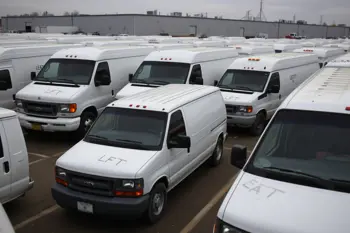
Every year, government agencies across the United States decommission fleet vans that have reached the end of their operational schedules, and those vehicles enter a structured public auction process that is open to registered civilian buyers. 1 The category spans cargo vans, passenger shuttle vans, transit vans, and specialty vehicles from agencies ranging from municipal transit departments to federal law enforcement bureaus. 2 Understanding how these sales are organized, where listings appear, and what conditions buyers should anticipate is essential groundwork before placing a competitive bid.
How the Government Surplus Van Market Is Structured
The General Services Administration (GSA) is the primary federal agency responsible for selling surplus government vehicles, including vans, through its official auctions platform at gsaauctions.gov. 1 When a federal agency no longer needs a vehicle, it is transferred through GSA, which then lists the asset for public bidding. The GSA Fleet vehicle sales program specifically handles government-owned vehicles that are in drive-ready condition, while GSA Auctions covers a broader range of excess property. 3 Below the federal tier, state and local governments operate their own surplus disposition programs, often contracting with private platforms to manage the auction process on their behalf.
At the state level, programs like Virginia's Office of Surplus Property Management (OSPM) conduct live auctions in partnership with auction houses across the Commonwealth and simultaneously list items online via GovDeals. 4 Virginia's auctions are typically scheduled several times per year, starting at 9:00 AM on Fridays or Saturdays, with preview days allowing physical inspection before bidding closes. 4 This two-channel model, combining in-person auction house events with 24/7 online browsing through GovDeals, is representative of how many state programs operate nationally.
Primary Platforms Where Surplus Vans Are Listed
Several distinct platforms aggregate government surplus van listings, each with a different agency mix, fee structure, and bidding format. GSA Auctions carries federal surplus with no buyer's premium and uses a sealed-bid format. 5 GovDeals, operated by Liquidity Services, serves state and local government entities including school districts, highway patrols, and public works departments, and charges a 12.5% buyer's premium on top of the winning bid. 5 Municibid focuses on small-town government surplus with no buyer's premium and a timed online format, while PropertyRoom, which partners with law enforcement and municipal agencies, charges a 16.5% buyer's premium. 5
The table below summarizes the major platforms based on available research data:
| Platform | Primary Seller Type | Buyer's Premium | Bid Format |
|---|---|---|---|
| GSA Auctions | Federal agencies | None | Sealed bid |
| GovDeals | State and local government | 12.5% | Timed online |
| Municibid | Municipal government | None | Timed online |
| PublicSurplus | Municipal surplus | None | Timed online |
| PropertyRoom | Police seized and municipal | 16.5% | Timed online |
Types of Vans Commonly Available
The GSA Fleet marketplace categorizes van inventory into several distinct vehicle types, including Cargo Vans, Light Cargo Vans (4x2), Medium-Heavy Vans, and Passenger Vans, all of which appear in active and upcoming sale events. 6 Common makes identified in surplus auction research include the Chevrolet Express, Ford Transit, and Mercedes Sprinter, sourced from transit agencies, postal operations, and maintenance departments. 7 Government fleet vans are typically retired on a set operational schedule, often in the 80,000 to 120,000 mile range, which means relatively modern model years can appear in the auction pipeline. 7
Beyond standard cargo and passenger configurations, the surplus market also surfaces specialty units. In California alone, over 650 local and state agencies sell assets through GovDeals, with active sellers including the California Highway Patrol, San Diego County Fleet Services, and the Los Angeles Unified School District. 8 Oregon's surplus market similarly features agencies such as Marion County Public Works, Josephine County Public Works, and the Oregon State University fleet, all of which have historically listed vans and light trucks. 9 Sealed-bid formats also appear at the township level: Swancreek Township in Ohio publicly solicited sealed bids for a 2005 Chevy Astro Van with 200,674 miles in mid-2026, illustrating how granular and locally diverse these sales can be. 10
Realistic Pricing Context and Historical Market Data
Pricing in the government surplus van market varies substantially based on age, mileage, mechanical condition, and competitive bidding activity. Completed auction data from Municibid's Maine listings shows a 2016 Chevy 3500 attracting 49 bids and selling for $12,100, while a 2017 Ford Interceptor SUV sold for $5,100 with only 3 bids. 11 At the heavier end, a 2022 International 4x4 truck with plow and dump body reached $50,000 across 12 bids. 11 These figures underscore that closing prices are entirely market-driven and depend on the competitive pool of registered bidders at that specific event.
For context on condition disclosure, a 2007 Dodge SE Caravan listed by the State of New Jersey through a public auction carried 122,852 odometer miles, a 3.3L V6 flex-fuel engine, automatic transmission, and fair body condition with noted rust spots. 12 Its mechanical notes stated it needed fuel but started with a boost, a transparent disclosure level that is typical of structured government surplus listings. Buyer's premiums must be factored into true acquisition cost: a winning bid of $8,000 on GovDeals, for instance, translates to a total outlay of approximately $9,000 after the 12.5% premium is applied. 5
The Inspection and Bidding Process
Most surplus van sales are conducted on an as-is, where-is basis, meaning vehicles are sold without warranties and buyers are responsible for transportation after winning. 4 Preview days are a standard feature of many auction programs, allowing prospective bidders to inspect vehicles physically during designated hours before the auction closes. Virginia's OSPM explicitly lists inspection hours for each event. 4 For online-only auctions without a physical preview, condition reports typically include mechanical notes, odometer readings, body condition ratings, confirmation of whether the vehicle starts, and whether a clear or salvage title is included. 12
Registration is required on all platforms before any bid can be placed. Buyers must create a verified account, and payment is generally due within a short window after the auction closes, with the timing specified per listing. 13 Government agencies sometimes make maintenance records available for fleet vehicles, which can be reviewed prior to bidding and represent a significant informational advantage over typical private-party used vehicle transactions. 13 Bidders should also confirm whether the title is clean or salvage before committing, as some seized or high-mileage units carry salvage designations that affect future registration and insurance costs.
Risk Factors and Market Friction Points
The as-is sale condition is the most significant risk factor in the government surplus van market. Condition reporting relies on the selling agency's disclosure, and some listings explicitly note that surplus units do not receive full maintenance histories for turned-in vehicles. 12 Bidders are strongly advised by auction administrators to inspect vehicles in person and to read all terms of sale carefully before committing funds. 12 Transportation logistics also add cost: buyers are responsible for physically removing the vehicle from the listed location after winning, which can be geographically inconvenient for online bidders in distant states.
Buyer's premiums can materially change the economics of a purchase, particularly on platforms like PropertyRoom, where the 16.5% premium is one of the highest in the sector. 5 Competition from fleet buyers, resellers, and commercial operators means that well-maintained, lower-mileage units in popular categories can attract multiple bidders and close near or above private market comparables. Additionally, some surplus units are seized rather than government-owned, meaning their mechanical and maintenance histories may be entirely unknown and their condition at time of sale is less predictable than decommissioned fleet vehicles with documented service records. 3
Sources
- General Services Administration - gsaauctions.gov
- USAGov - usa.gov/car-auctions
- GSA Fleet Marketplace - marketplace.gsafleet.gov
- Virginia Department of General Services - dgs.virginia.gov
- BidProwl - bidprowl.com/guides/best-government-auction-sites
- GSA Fleet Browse Vehicles - marketplace.gsafleet.gov/sales/browse-vehicles
- GovAuctions.app - govauctions.app/guides/how-to-buy-government-surplus-vehicle
- GovDeals Blog - blog.govdeals.com/california-surplus-auctions-near-me
- GovDeals Blog - blog.govdeals.com/oregon-surplus-buying-government-auctions-near-me
- Swancreek Township - swancreektwp.org
- Municibid - municibid.com
- Global Auction Guide - globalauctionguide.com
- GovDeals - govdeals.com
Authored by MyTrendSpot team