Top natural tips for better circulation: An evidence-based guide
Top natural tips for better circulation generally focus on movement, nutrition, smoking cessation, and reducing cardiovascular risk. Cold hands and feet, pins and needles, numbness, leg pain while walking, swelling, and slow-healing sores can indicate restricted blood flow, although symptoms may also have other causes. Persistent or severe symptoms should be assessed by a healthcare professional rather than treated solely with lifestyle measures. 1
What circulation symptoms can indicate
Circulation refers to blood moving through arteries, veins, and smaller vessels to deliver oxygen and nutrients and remove waste. When arterial flow is restricted, the hands, legs, and feet may become cold, pale, blue, numb, or painful. Peripheral arterial disease can cause claudication, meaning cramping or pain in the buttocks or calves during walking that improves with rest. This symptom is important because it may reflect narrowed arteries rather than ordinary tiredness. 1 7
Venous problems can present differently. Blood may pool in the lower legs, contributing to swollen ankles, heavy legs, or visible swollen veins. Regular movement and weight management may help some varicose-vein symptoms, but persistent swelling, skin changes, ulcers, or worsening pain require clinical evaluation. A sore that does not heal is particularly concerning because reduced blood supply can damage tissue and increase the risk of complications. 1 8
1. Make walking and aerobic activity routine
Regular aerobic activity is among the most consistently supported natural approaches for cardiovascular and circulatory health. Walking is practical because the rhythmic contraction of the calf muscles helps push venous blood upward toward the heart, while ongoing activity supports cardiovascular fitness. Physical activity also helps address risk factors such as high blood pressure and obesity, which can damage or stiffen blood vessels over time. 2 3
For people with limited mobility, progress can begin with manageable periods of movement and gradual increases according to individual ability. In peripheral arterial disease, walking is part of recommended management, but exertional leg pain should not be dismissed or pushed through without medical guidance. Activity can support circulation, yet it does not remove an arterial blockage or replace assessment of suspected disease. 7 5
2. Interrupt prolonged sitting
Long periods of sitting can slow movement of blood through the legs and encourage pooling, particularly when the legs remain dependent for extended periods. Brief walks, standing, ankle movements, and gentle leg stretches distributed through the day can complement, rather than replace, a planned exercise routine. The practical principle is to reduce uninterrupted sedentary time instead of relying on one workout while remaining inactive for the rest of the day. 5 8
People who stand for long periods may also benefit from alternating positions and taking movement breaks. These habits are most relevant to comfort and venous return, not to curing narrowed arteries. New one-sided swelling, significant pain, or symptoms that persist despite changing position should be medically assessed, since circulation complaints can arise from conditions requiring specific treatment. 1 8
3. Use a heart-healthy eating pattern
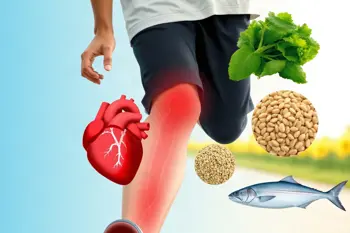
A DASH-style eating pattern emphasizes vegetables, fruits, whole grains, beans, fish, poultry, nuts, and low-fat dairy. Its principal circulatory value is support for blood-pressure control and overall cardiovascular risk reduction, rather than a rapid change in blood flow. Meals built around these food groups can also reduce reliance on highly salty foods, while providing a nutrient-dense pattern suitable for long-term health management. 5
Nutrition should be considered alongside, not instead of, clinical monitoring. High blood pressure, elevated cholesterol, and high blood sugar can injure blood vessels and increase circulatory risk. There is not strong evidence that over-the-counter supplements reliably improve circulation, and supplements may interact with medicines. Claims involving a single food, tea, detoxification method, or supplement therefore deserve caution, especially when symptoms are unexplained. 2 9
4. Stop smoking and address weight
Smoking is a major modifiable threat to cardiovascular and blood-vessel health. Quitting reduces smoking-related cardiovascular risks over time and removes repeated exposure to substances that impair vascular function. Support may involve healthcare professionals, structured cessation resources, or other evidence-based approaches. The relevant goal is sustained cessation, since occasional smoking still represents exposure and lifestyle change requires continuing maintenance. 6
Maintaining a healthy weight can reduce strain on the heart and lower the likelihood of conditions associated with impaired circulation. Weight management is most useful when treated as part of a broader plan that includes activity, dietary quality, blood-pressure control, cholesterol management, and blood-sugar management. These factors are interrelated, and addressing them together is more realistic than expecting one isolated habit to correct vascular disease. 1 2 9
5. Support lower-leg venous return
Leg elevation may ease discomfort related to venous pooling. Raising the legs for a period of rest can help blood return from the lower limbs, particularly after prolonged sitting or standing. Regular walking and position changes provide complementary support by activating the calf-muscle pump. These measures are aimed mainly at symptoms associated with venous circulation and should not be interpreted as treatment for arterial obstruction. 1 8
Compression socks are sometimes used for leg symptoms, but suitability depends on the underlying cause. Arterial disease, unexplained swelling, skin breakdown, or significant pain should be evaluated before relying on compression. Persistent or asymmetric swelling also warrants attention because self-care can mask a condition requiring diagnosis. A clinician can determine whether elevation, compression, exercise, or another approach is appropriate. 2 8
6. Recognize when natural measures are not enough
Lifestyle measures can support vascular health, but they cannot reliably diagnose the source of poor circulation. Arterial narrowing, venous insufficiency, Raynaud’s disease, diabetes, high blood pressure, obesity, and heart or circulatory disease can produce overlapping symptoms. A healthcare provider should assess recurring cold extremities, walking-related leg pain, numbness, swelling, or sores, particularly when symptoms are new, progressive, or affecting daily activity. 1 2 7
Sudden limb pain, unusual coldness, pallor or another marked color change, numbness, weakness, or loss of function can signal acute limb ischemia and requires immediate medical attention. Chest pain and shortness of breath are also urgent warning signs. The safest circulation strategy combines regular movement and cardiovascular risk reduction with appropriate medical evaluation, rather than depending on unverified remedies or delaying care for persistent symptoms. 10 2
Sources
- British Heart Foundation, “Cold hands and feet? 5 tips to improve circulation”
- Cleveland Clinic, “5 Ways To Improve Your Circulation”
- American Heart Association, walking and cardiovascular health guidance
- Centers for Disease Control and Prevention, physical activity guidelines
- National Heart, Lung, and Blood Institute, DASH eating plan
- Smokefree.gov, cardiovascular benefits of quitting smoking
- MedlinePlus, peripheral arterial disease
- National Health Service, varicose veins
- Harvard Health Publishing, ways to support circulation
- Society for Vascular Surgery, acute limb ischemia
Authored by MyTrendSpot team