Warning signs of heart disease: A clinical guide to symptoms and emergency responses
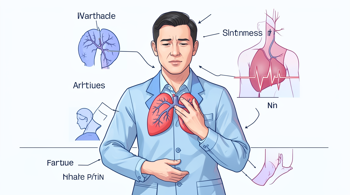
Warning signs of heart disease can include the familiar symptoms of chest pressure, palpitations, and shortness of breath, but they may also appear as persistent coughing, jaw discomfort, unusual fatigue, nausea, or swelling. Symptoms can differ according to the underlying condition and may be less typical in women, older adults, and people with diabetes.
Recognizing possible heart attack symptoms
A heart attack may cause pressure, heaviness, squeezing, aching, or discomfort in the center or left side of the chest. The sensation can last several minutes, disappear and return, or occur alongside shortness of breath, cold sweating, weakness, or light-headedness. Discomfort may spread to the neck, back, jaw, arms, shoulders, or stomach. Because nearly half of people who experience a heart attack may not recognize it at the time, symptoms that seem mild still require careful attention. 1
- Chest pain, pressure, or discomfort
- Shortness of breath with or without chest discomfort
- Cold sweat, weakness, or dizziness
- Pain in the jaw, back, neck, arms, or shoulders
Less typical symptoms that can be overlooked
Heart disease can affect parts of the body beyond the chest. Jaw pain or a toothache-like feeling may reflect reduced blood flow to the heart, particularly when the discomfort persists, worsens, or occurs with nausea or breathlessness. Women are more likely than men to experience jaw pain as a heart attack warning sign. Persistent cough can also be associated with heart failure when fluid accumulates in the lungs, sometimes producing white, pink, or blood-tinged phlegm, especially at night while lying down. 2
- Unexplained nausea or abdominal discomfort
- Unusual fatigue or weakness
- Jaw or tooth-like pain without a clear dental cause
- A persistent cough or cough with phlegm
Breathlessness and fatigue as developing signals
Shortness of breath that appears during activities that previously felt routine can indicate reduced circulation or weakened pumping ability. Fatigue linked to heart problems may persist after adequate rest and reduce a person’s ability to work, exercise, or complete normal routines. Heart failure develops when the heart cannot pump enough oxygen-rich blood to meet the body’s demands; coronary artery disease, a previous heart attack, high blood pressure, faulty valves, and genetic disease can contribute. 3
A useful clinical memory aid for possible heart failure is FACES: fatigue, activity limitation, congestion, edema, and shortness of breath. Congestion may cause breathing difficulty when lying flat or waking at night, while edema refers to swelling caused by fluid accumulation. These symptoms are not proof of heart failure because lung disease, anemia, infection, and other conditions can produce similar complaints, but persistent or worsening changes merit medical assessment. 4
Swelling, weight changes, and difficulty lying flat
Swelling in the feet, ankles, or legs can occur when heart failure causes fluid retention. A rapid increase in body weight may also reflect accumulating fluid rather than a change in body fat, particularly when it occurs with breathlessness, reduced exercise tolerance, or increasing fatigue. Difficulty breathing while lying down is another relevant pattern, because fluid congestion can become more noticeable when the body is horizontal. A clinician can determine whether these findings reflect a cardiac or noncardiac cause. 5
- New or worsening ankle, foot, or leg swelling
- Unexplained rapid weight gain
- Needing to sleep more upright because of breathing difficulty
- Reduced ability to perform familiar physical activities
Palpitations, fainting, and rhythm-related warnings
Palpitations are sensations of a racing, pounding, fluttering, or irregular heartbeat. They can occur for harmless reasons, but palpitations accompanied by dizziness, fainting, chest discomfort, or shortness of breath may indicate an arrhythmia requiring evaluation. Fainting can result when the brain temporarily receives insufficient blood flow, and recurrent episodes should not be dismissed as simple tiredness. The timing, duration, triggers, and associated symptoms help clinicians distinguish rhythm problems from other causes. 6
Atherosclerosis may remain silent until an artery becomes severely narrowed or blocked. When coronary arteries are affected, chest pain during activity that improves with rest can indicate coronary disease. Similar circulation problems may cause cramping in the hips or legs while walking, while sudden weakness, numbness, confusion, speech difficulty, vision problems, or loss of balance can signal a transient ischemic attack or stroke. These patterns show why heart and blood-vessel symptoms require broader assessment. 7
When symptoms require emergency help
Possible heart attack symptoms should be treated as an emergency, particularly when chest discomfort lasts, returns, or occurs with breathlessness, sweating, nausea, faintness, or pain radiating to the upper body. Emergency services can begin assessment and treatment before arrival at a hospital, whereas driving oneself may delay care or create danger if symptoms suddenly worsen. The recommended response is to call the local emergency number, describe the symptoms clearly, and follow the dispatcher’s instructions. 8
- Call emergency services for suspected heart attack, stroke, or severe breathing difficulty.
- Do not wait for symptoms to become severe or assume they are indigestion.
- Do not drive if emergency medical transport is available.
- For aspirin or prescribed heart medicines, follow emergency-service or clinician guidance, including allergy and medical-history considerations.
Why symptoms and risk assessment vary
Coronary artery disease is commonly caused by atherosclerotic plaque that narrows the arteries supplying the heart. Risk factors include high blood pressure, high cholesterol, diabetes, smoking, physical inactivity, obesity, and genetic or other medical conditions. Some people have silent ischemia, meaning reduced blood flow without obvious pain. Women may experience unusual fatigue, nausea, shortness of breath, or back and jaw discomfort, while older adults may have weakness, confusion, dizziness, or fainting instead of dramatic chest pain.
Symptoms alone cannot identify the exact heart condition. Medical evaluation may involve an electrocardiogram, blood tests, symptom history, physical examination, and, where appropriate, stress testing or coronary imaging. Preventive care focuses on addressing modifiable risks through smoking cessation, regular physical activity, healthy eating, and control of blood pressure, cholesterol, and diabetes. Persistent, changing, or unexplained symptoms should be documented and discussed with a qualified clinician rather than self-diagnosed.
Sources
- Heart Foundation, Seven surprising symptoms of heart disease
- Mass General Brigham, Heart Attack Warning Signs
- Merck Manual Consumer Version, Acute Coronary Syndromes
- Harvard Health, 5 Warning Signs and Symptoms of Early Heart Failure
- Cleveland Clinic, Heart Disease in Women
- Capitol Cardiology Associates, Seven Subtle Signs of Heart Problems
- Penn Medicine, Atherosclerosis: Symptoms and Causes
- MSD Manual Professional Edition, Overview of Coronary Artery Disease
Authored by MyTrendSpot team