Ways to manage hot flashes at home: A clinical review of evidence-based lifestyle strategies
Understanding Vasomotor Symptom Management
Hot flashes, clinically referred to as vasomotor symptoms, affect approximately 80% of individuals during the transition to menopause and the post-menopausal period 4, 9. These episodes are characterized by sudden surges of heat, skin flushing, and diaphoresis, often lasting between thirty seconds and five minutes 2, 9. While hormonal fluctuations in estrogen serve as the primary driver for these events, external triggers and lifestyle factors significantly influence their frequency and intensity 3, 9. Management strategies are frequently categorized into a tiered approach, prioritizing foundational lifestyle adjustments before considering medical interventions 6, 8.
The duration of these symptoms varies widely, with the average individual experiencing them for approximately five to ten years 2, 4. Because the brain becomes increasingly sensitive to minor shifts in core body temperature during this phase, creating a stable environment is a critical component of non-medical symptom mitigation 3. Developing a structured approach to self-care allows for greater personal agency when navigating the unpredictability of these physiological events 8.
Environmental and Immediate Cooling Strategies
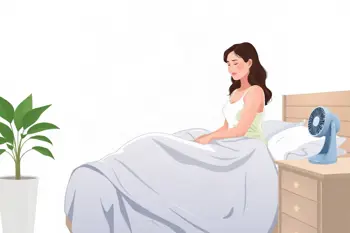
Managing the ambient environment is one of the most accessible ways to reduce the impact of sudden heat spikes. Clinical guidance suggests maintaining a cooler bedroom temperature, especially during nocturnal hours to mitigate the disruption caused by night sweats 4, 6. Utilizing cooling accessories, such as moisture-wicking sheets and specialized cooling pillows, can enhance comfort and improve sleep architecture 7, 10. The use of portable fans and maintaining air circulation in workspaces are also noted as standard practices to quickly diffuse localized heat accumulation 1, 6.
For immediate relief during an active flash, clinicians recommend several rapid-response techniques. Wearing layered clothing allows for instantaneous adjustment, enabling the removal of outer garments the moment a thermal surge begins 6, 9. Consuming cold beverages, particularly ice water, is another commonly recommended strategy to assist in lowering core body temperature during a flare-up 1, 6. These behavioral adaptations do not eliminate the underlying hormonal trigger but function effectively to reduce the severity and duration of the physical symptoms experienced 6.
Dietary and Lifestyle Modification
Specific dietary choices and habits have been identified as consistent triggers for vasomotor events. Maintaining a journal to track dietary intake in relation to symptom onset is a recommended practice to identify individual triggers 7, 10. Common substances linked to increased frequency of flashes include spicy foods, caffeine, hot beverages, and alcohol consumption 1, 9. Reducing or eliminating these inputs may lead to a measurable decrease in symptom frequency for many individuals 6.
Beyond immediate dietary adjustments, systemic lifestyle habits play a significant role in long-term symptom management. Smoking cessation is strongly advocated in clinical literature, as smoking is associated with increased frequency and intensity of vasomotor symptoms 1, 9. Furthermore, achieving and maintaining a healthy body weight through balanced nutrition and regular physical activity, specifically weight-bearing exercise, is clinically associated with reduced symptom severity 1, 5, 9.
Mind-Body Approaches to Stress Reduction
The relationship between stress and hot flashes is bi-directional; the discomfort of a flash can increase stress levels, while physiological stress can trigger further flushing episodes 1. Mind-body interventions provide a structured framework to regulate the autonomic nervous system. Techniques such as paced breathing, meditation, and yoga are frequently highlighted in clinical guidelines as beneficial for reducing the intensity of the stress response during a hot flash event 1, 5, 8. Engaging in regular practice of these relaxation methods can foster improved resilience against the disruption caused by these episodes 1.
Clinical Considerations and Medical Guidance
While self-care and lifestyle changes form the first tier of management, they are not a substitute for professional medical care in cases where symptoms significantly impair daily function 8. Cognitive Behavioral Therapy (CBT) has gained clinical recognition as an effective, evidence-based talking therapy specifically for addressing the low mood, anxiety, and sleep disturbances associated with menopause 1, 9. For those whose symptoms remain unmanageable, consultation with a healthcare provider is essential to discuss evidence-based non-hormonal medications or low-dose hormone therapy, depending on individual health histories 4, 5, 9.
| Category | Recommended Action | Purpose |
|---|---|---|
| Environmental | Bedroom cooling / Fans | Mitigate night sweats |
| Apparel | Breathable layers | Facilitate heat release |
| Dietary | Avoid triggers (caffeine/spicy) | Limit flare-up frequency |
| Activity | Weight-bearing exercise | Improve thermal regulation |
| Stress | Paced breathing / CBT | Regulate stress response |
Evaluation of Treatment Tiers
Healthcare professionals typically classify management options into hierarchical tiers. Tier 1 focuses exclusively on the aforementioned lifestyle modifications and environmental control measures, which are recommended for all individuals during the transition 8. Tier 2 encompasses non-hormonal prescription options, such as specific medications designed to address vasomotor symptoms for patients who do not qualify for or choose to avoid hormone therapy 5, 8. Tier 3 involves menopausal hormone therapy, which is often considered the most effective pharmacological treatment, provided that the patient's individual clinical profile allows for its use 3, 8. Transitioning between these tiers should always be facilitated by a qualified gynecologist or menopause specialist to ensure safety and therapeutic efficacy 2, 5.
Sources
- NHS: Things you can do to help menopause and perimenopause symptoms
- Johns Hopkins Medicine: Managing Hot Flashes: Tips from a Menopause Expert
- Scripps Health: How to Manage Hot Flashes and Night Sweats During Menopause
- AARP: 3 Ways to Tame a Hot Flash Fast
- Cleveland Clinic: How To Manage Menopause Without Hormone Therapy
- Nolla Health: How to Relieve Hot Flashes: Treatments, Triggers, and Real Relief
- Breastcancer.org: Natural Remedies for Hot Flashes (Without Hormones)
- Menolia: Hot Flash Treatment: From Lifestyle to HRT
- SASFT: Self-Care for Menopause & Vasomotor Symptoms
- Wisp: How to Manage Menopause Hot Flashes
Authored by MyTrendSpot team