Warning signs of heart valve disease: Clinical symptoms and when they matter
Warning signs of heart valve disease can be subtle rather than sudden. Shortness of breath, unusual fatigue, dizziness, fainting, swelling, chest discomfort, and an irregular heartbeat are recognized symptoms, although some people have no symptoms for many years. 1 Because these changes can resemble normal aging or reduced fitness, their pattern, progression, and relationship to exertion are important clinical details.
Why valve disease causes symptoms
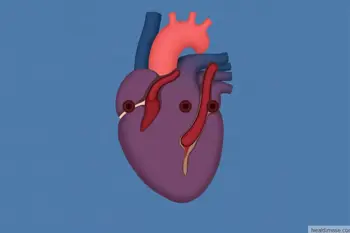
The heart contains four valves: the aortic, mitral, tricuspid, and pulmonary valves. They open to move blood forward and close to prevent backward flow. Stenosis occurs when a valve opening becomes too narrow, while regurgitation occurs when a valve fails to close tightly and leaks. Either problem can make the heart work harder and disrupt circulation through the heart and body. 2
Symptoms depend on which valve is affected and how severe the dysfunction becomes. A narrowed valve restricts forward blood flow, while a leaking valve can allow blood to move backward and increase pressure inside the heart. Mild disease may produce no noticeable effects, whereas more advanced disease can affect breathing, physical stamina, fluid balance, and heart rhythm. 3
Breathlessness and reduced exercise tolerance
Shortness of breath during walking, climbing stairs, or other familiar activities is one of the most frequently reported warning signs. Breathing difficulty can also occur at rest or when lying down. When the heart cannot move blood efficiently, pressure may build behind it and contribute to congestion in the lungs, making ordinary activity feel unusually demanding. 2
A change in exercise tolerance may be gradual. Activities that were previously manageable may begin to cause breathlessness, pauses, or prolonged recovery. The symptom is not specific to valve disease, because lung conditions and other heart problems can cause it as well, but persistent or worsening exertional breathlessness warrants medical assessment rather than being automatically attributed to age. 5
Fatigue, dizziness, and fainting
Fatigue may occur when the heart struggles to deliver enough oxygen-rich blood during activity. People may describe reduced stamina, weakness, or exhaustion after tasks that once required little effort. Fatigue alone does not establish a valve diagnosis, but it becomes more concerning when it appears with breathlessness, chest discomfort, swelling, or a noticeable decline in daily functioning. 6
Dizziness, lightheadedness, near-fainting, and fainting can reflect reduced blood flow or an associated abnormal rhythm. The classic symptom pattern described for severe aortic stenosis includes chest pain, exertional breathlessness, and syncope or presyncope. These symptoms deserve prompt clinical attention, particularly when they occur during physical activity or represent a new change. 4
Swelling and fluid-related changes
Swelling may develop in the ankles, feet, legs, or, in some cases, the abdomen. This edema can occur when impaired circulation contributes to fluid accumulation in body tissues. A person may also notice that shoes or socks feel tighter than usual. Swelling has many possible causes, so its significance depends on accompanying symptoms, medical history, and examination findings. 7
Fluid-related symptoms can appear alongside breathlessness, fatigue, or a decline in exercise capacity. Heart valve disease is one possible explanation, but swelling can also involve kidney, liver, medication, or venous conditions. Sudden worsening swelling, especially when combined with serious breathing difficulty or chest symptoms, requires urgent medical evaluation rather than home interpretation. 8
Chest discomfort and abnormal heartbeats
Chest pain or discomfort can occur when valve disease limits blood flow or increases the workload placed on the heart. In aortic stenosis, chest pain is part of the recognized severe symptom triad. Chest symptoms can also arise from other urgent conditions, so new, severe, persistent, or activity-related discomfort should not be assumed to come from a valve problem. 4
Some people notice racing, fluttering, pounding, or irregular heartbeats. Valve disease may be associated with an abnormal rhythm, and palpitations may occur with dizziness, weakness, or shortness of breath. A physical examination can identify an irregular rhythm, while additional testing may be needed to determine whether the sensation reflects an arrhythmia or another cardiac cause. 3
Heart murmurs and diagnosis
A heart murmur is an unusual sound produced by turbulent blood flow across or near a valve. It may be detected with a stethoscope and can occur when a valve is narrowed or leaking. However, not every murmur means that clinically important valve disease is present, and the absence of a known murmur does not rule out a valve problem. 9
Evaluation commonly begins with medical history and physical examination, followed by an echocardiogram when valve disease is suspected. Echocardiography uses ultrasound to assess valve structure, blood flow, and heart function. The results help determine whether the condition is mild, moderate, or severe and whether monitoring, symptom management, repair, or replacement should be considered. 1
When symptoms require urgent attention
Sudden severe breathlessness, chest pain, fainting, bluish skin, or signs of stroke are emergency warning signs. A rapid deterioration in symptoms can indicate a serious cardiac or circulatory problem, even when no valve diagnosis has previously been made. Emergency assessment is especially important when symptoms are intense, occur at rest, or are accompanied by confusion, profound weakness, or an inability to speak normally. 5
Less dramatic symptoms still merit a scheduled medical review when they persist, recur, or worsen. A clinician may ask when symptoms began, whether exertion triggers them, whether lying down changes breathing, and whether swelling or palpitations accompany them. Because valve disease may remain silent for years, follow-up can also matter for people with a known murmur, congenital valve abnormality, or previously identified valve changes. 2
Sources
- Harvard Health, Heart Valve Problems
- Memorial Health System, Heart Valve Disease
- Ochsner Health, What Is Heart Valve Disease?
- Medscape, Valvular Heart Disease
- American Heart Association, Warning Signs of Heart Valve Disease
- Mayo Clinic, Heart Valve Disease Symptoms and Causes
- National Heart, Lung, and Blood Institute, Heart Valve Diseases
- NHS, Heart Valve Disease
- Texas Heart Institute, Heart Valve Disease
Authored by MyTrendSpot team