Ways to manage hives at home: A comprehensive guide to symptom relief and dermatological best practices
Hives, medically referred to as urticaria, present as raised, itchy welts that can emerge suddenly on the skin 2. While these outbreaks are often alarming due to their appearance, most instances are not life-threatening and can be addressed through various home-based management strategies 2. Understanding the nature of hives is the first step toward effective relief, as they are essentially a reaction where mast cells in the skin release histamine, causing fluid to leak into surrounding tissue 8. Distinguishing between simple hives and emergency symptoms is critical; medical intervention is essential if hives occur alongside difficulty breathing, throat tightness, facial swelling, or dizziness 2.
Pharmacological and Topical Approaches to Relief
The primary recommendation for mitigating the discomfort of hives is the use of non-sedating, second-generation oral antihistamines 5. These medications function by blocking the histamine receptors in the body, which effectively reduces the intensity of the swelling and the persistent itch 5. Common over-the-counter options include cetirizine, loratadine, and fexofenadine, which are generally preferred for their efficacy without causing the significant drowsiness associated with older, first-generation antihistamines 5. While these are standard first-line treatments, individuals should consult with a healthcare provider before increasing dosages beyond label recommendations, as clinical guidelines may allow for higher therapeutic levels under professional supervision 5.
Topical interventions serve as useful adjuncts for localized relief. Calamine lotion, which contains zinc and iron oxides, provides a cooling, protective layer that helps dry out irritated skin 10. Furthermore, 1% hydrocortisone cream can be applied in thin layers to reduce inflammation associated with specific welts 10. However, topical steroids are most effective on smaller patches and may not be practical for widespread outbreaks, where oral medications remain the superior strategy 10. It is important to avoid applying these creams to broken or severely damaged skin to prevent secondary irritation 11.
Physical Interventions and Environmental Management
Cold therapy is recognized as one of the fastest methods to calm active hives 10. A cool, damp compress applied to the affected area constricts blood vessels, which in turn reduces both the size of the welts and the intensity of the itching 10. To ensure safety, ice or cold packs should be wrapped in a thin towel rather than placed directly against the skin, and applications should typically last 10 to 15 minutes at a time 10. Consistent with this cooling strategy, individuals should avoid heat in all forms, including hot showers, hot beverages, and direct sunlight, as these factors are known to exacerbate the severity of an outbreak 10.
For widespread hives on the torso or legs, lukewarm colloidal oatmeal baths can provide systemic relief by soothing the skin and lowering the urge to scratch 10. During an active flare-up, the choice of clothing is equally vital. Wearing loose-fitting, soft fabrics like cotton minimizes skin friction, which can act as a physical trigger for further welts 4. Maintaining a clean, non-irritating environment by using fragrance-free soaps and moisturizers also assists in managing the sensitivity of the skin during the recovery period 11.
Identifying and Tracking Triggers
While up to 90% of chronic hives cases lack an obvious external trigger, identifying personal patterns remains a cornerstone of long-term management 4. Chronic hives are defined as outbreaks occurring at least twice a week for six weeks or longer 8. A highly effective method for identifying potential triggers is the maintenance of a comprehensive symptom diary 6. By recording dietary intake, environmental exposure, and stress levels, individuals can often pinpoint patterns that correlate with their flare-ups 6.
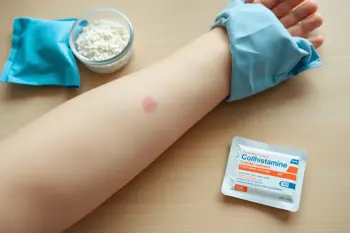
Common triggers that merit investigation include specific food groups, such as peanuts, shellfish, or tree nuts, as well as histamine-rich foods like aged cheeses, red wine, and preserved meats 8. Medications, particularly aspirin and certain anti-inflammatory painkillers, are also well-documented catalysts for hives 8. Beyond external substances, physiological stressors including infection, hormonal fluctuations, and emotional stress are frequent, albeit internal, drivers of chronic idiopathic urticaria 8.
Understanding Chronic Versus Acute Hives
Distinguishing between the duration and nature of hives is essential for setting realistic management expectations. Acute hives typically appear rapidly and resolve within a few days once the trigger is removed 5. In contrast, chronic hives require a more structured approach and may involve an evaluation by an immunologist or allergist to determine if an underlying autoimmune or systemic condition is present 6. The goal for chronic management is to achieve symptom control through a consistent medication plan, which may evolve from standard antihistamines to immune-modulating drugs like omalizumab or remibrutinib if initial treatments are insufficient 6.
Maintaining patience is crucial, as chronic hives can take a year or more to resolve completely even with optimal management 4. During this period, the integration of stress management techniques is often beneficial, as emotional distress can lower the threshold for mast cell activation 6. Open communication with a healthcare professional ensures that the treatment plan remains aligned with the patient's specific triggers and that medications are adjusted based on the objective data recorded in their symptom diary 6.
When to Seek Professional Medical Care
Although most hive outbreaks are manageable at home, certain clinical indicators necessitate immediate professional evaluation. Seeking emergency care is non-negotiable if the appearance of hives is accompanied by signs of systemic allergic reaction, such as swelling of the lips, tongue, or throat, or if the individual experiences wheezing, dizziness, or fainting 2. These symptoms suggest an risk of anaphylaxis, which requires rapid medical stabilization rather than home-based remedies 2.
Furthermore, if hives do not show signs of improvement after a few days of home management, or if they persist beyond six weeks, a formal medical consultation is recommended 2. A clinician can perform the necessary assessments to rule out chronic urticaria, evaluate internal triggers, and provide a tailored medical strategy that may extend beyond standard over-the-counter interventions 2.
Summary Table of Hive Management Strategies
| Strategy | Actionable Detail |
|---|---|
| Antihistamines | Use second-generation, non-drowsy options like cetirizine or loratadine. |
| Cold Therapy | Apply cool compresses for 10-15 minutes to reduce swelling. |
| Skin Protection | Wear loose cotton clothing and use fragrance-free products. |
| Trigger Avoidance | Avoid aspirin, high-histamine foods, and sudden temperature shifts. |
| Stress Management | Use relaxation techniques to help minimize flare-ups. |
| Monitoring | Keep a daily diary to track food, activity, and symptoms. |
Sources
- https://www.prevention.com/health/a71717425/dermatologists-share-how-to-get-rid-of-hives/
- https://acibademinternational.com/health-library/how-to-get-rid-of-hives-causes-explanations-and-next-steps/
- https://acibademinternational.com/health-library/hives-what-patients-need-to-know/
- https://health.clevelandclinic.org/lifestyle-tips-for-managing-chronic-hives
- https://www.nollahealth.com/learning/how-to-get-rid-of-hives
- https://www.health.com/how-to-manage-chronic-hives-11908037
- https://iliveok.com/health/treating-hives-home-what-you-can-do-safely-and-when-see-doctor_140512i16116.html
- https://scienceinsights.org/how-to-get-rid-of-hives-home-remedies-and-treatments/
- https://health.clevelandclinic.org/chronic-hives-flare-up
- https://scienceinsights.org/what-can-i-put-on-hives-to-relieve-itching/
- https://www.everydayhealth.com/hives/tips-for-managing-hives/
Authored by MyTrendSpot team