How to lower uric acid safely: Clinical perspectives on metabolic management and lifestyle integration
The Physiological Reality of Uric Acid
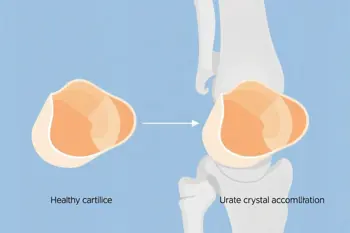
Uric acid is a metabolic waste product generated when the body breaks down purines, which are natural compounds found both in various foods and within the body's own cells 7, 8. Approximately two-thirds of the uric acid present in the human body is manufactured internally through the regular turnover of cells, rather than through dietary intake alone 7. When the kidneys are unable to filter this waste efficiently, or when the body produces an excess, levels can rise, potentially leading to the formation of sharp urate crystals in joints and surrounding tissues 3, 4. This condition, known as hyperuricemia, serves as the primary precursor to gout, a common form of inflammatory arthritis 2, 8.
Understanding that a majority of systemic uric acid is internally produced is critical for those seeking to manage their levels 7. While dietary modifications are often prioritized, they function primarily as a complementary strategy rather than a standalone cure for chronic hyperuricemia 5, 6. Clinical guidelines, such as those from the American College of Rheumatology, typically emphasize that while lifestyle changes provide meaningful support, they must be balanced against the biological realities of uric acid production and excretion to avoid unrealistic expectations regarding results 6.
Evidence-Based Dietary Adjustments
Dietary strategies aimed at lowering uric acid focus on reducing the total purine load and limiting substances that hinder renal excretion 5. Research indicates that limiting high-purine foods such as organ meats, red meat, and specific seafood-including anchovies and sardines-can modestly lower serum uric acid levels 6, 8. Furthermore, clinical evidence suggests that restricting sugary beverages containing high-fructose corn syrup is essential, as fructose metabolism has been directly linked to increased uric acid production in the liver 7, 8.
In contrast to restrictive practices, some dietary inclusions are associated with favorable outcomes. Consumption of low-fat dairy products is linked to lower serum uric acid levels in clinical observations 5, 10. Additionally, observational studies have indicated that both caffeinated and decaffeinated coffee consumption may correlate with reduced uric acid levels, potentially serving as a supportive component in a broader nutritional strategy 10. However, these dietary changes typically result in modest reductions, often ranging from 0.5 to 1.5 mg/dL, and should be viewed as part of a long-term maintenance approach 6.
The Role of Hydration and Metabolic Health
Hydration is one of the most effective non-pharmacological tools for supporting kidney function and facilitating the excretion of uric acid 6, 9. Consistent water intake throughout the day helps the kidneys maintain a flow sufficient to flush excess waste from the bloodstream, thereby reducing the risk of crystal formation 8, 9. For those at risk of gout flares, maintaining adequate hydration is a fundamental, low-risk strategy that complements other interventions 6.
Metabolic health also plays a significant role in managing urate levels. Studies suggest that gradual weight loss, typically in the range of 5 to 10 percent of body weight, can contribute to a decrease in serum uric acid 6. It is important to note that while intentional, slow weight loss is beneficial, rapid or extreme caloric restriction may trigger a temporary spike in uric acid levels, potentially increasing the risk of an acute attack 5, 9. Consequently, sustainable, moderate changes are favored over drastic metabolic interventions.
Medical Interventions and Clinical Targets
While lifestyle adjustments provide a foundation for management, they are often insufficient for individuals with high baseline uric acid levels or recurrent gout 6. Clinical benchmarks for many patients include maintaining serum uric acid levels below 6.0 mg/dL, a target that often requires professional medical oversight 6. Medications designed to lower uric acid work significantly more effectively than diet alone, typically reducing levels by 3 to 6 mg/dL in a reliable, predictable manner 6.
Treatment protocols for gout typically fall into two categories: those intended to manage the pain and inflammation of an acute flare, and those intended for long-term reduction of systemic uric acid 1. Nonsteroidal anti-inflammatory drugs (NSAIDs) are frequently used for acute pain, while other classes of medication are prescribed to prevent future complications by targeting the production or excretion of urate 1. Patients are strongly advised to adhere to prescribed medication regimes and to discuss any changes to these protocols with a healthcare provider to avoid unintended health impacts 6.
Diagnostic Processes for Hyperuricemia
Healthcare professionals diagnose issues related to uric acid through a combination of clinical assessment and specific testing protocols 1. While blood tests are frequently used to measure uric acid levels, they can be misleading; some individuals with high uric acid do not experience gout, and conversely, some patients experiencing an acute flare may show normal uric acid levels during the event 1. Therefore, diagnosis often relies on examining joint fluid for urate crystals under a microscope, which remains a definitive clinical marker 1.
Imaging technology has further advanced the ability to detect urate deposits. Techniques such as Ultrasound and Dual-energy computerized tomography (DECT) allow clinicians to identify urate crystals within joints or in tissue lumps known as tophi, even when other physical symptoms are ambiguous 1. These diagnostic tools are vital for ensuring that treatment is appropriately tailored to the severity of the condition and the patient’s overall health profile, moving beyond simple blood markers to a more comprehensive understanding of crystal burden 1.
Risk Factors and Preventive Considerations
Risk factors for high uric acid levels and gout are multifaceted, involving genetics, age, and lifestyle habits 4. Men are statistically more likely to develop gout, though the risk in women increases following menopause due to declining estrogen levels, which normally aid in the clearance of uric acid 2, 4. Furthermore, the use of certain medications, such as diuretics or immunosuppressants, can impede the kidneys' ability to clear uric acid, necessitating careful medication management in consultation with a physician 8.
Because gout is a chronic condition, management is a long-term commitment. Repeated flares can cause cumulative damage to joints, ligaments, and tendons, emphasizing the importance of consistent monitoring 4, 8. While natural strategies like increasing Vitamin C intake or consuming cherry extract have been explored for potential anti-inflammatory benefits, their individual impact remains secondary to the primary strategies of hydration, medically supervised weight management, and, where necessary, pharmacological control 6, 9, 10.
Sources
- Mayo Clinic: Gout Diagnosis and Treatment
- Harvard Health: What is the Gout Diet?
- Cleveland Clinic: Gout Symptoms and Treatment
- AARP: Managing Uric Acid and Preventing Gout
- Acibadem Hospitals Group: Gout Diet Evidence and Guidance
- GoutPath: Evidence-Based Strategies for Uric Acid
- Medsbase: Proven Steps for Uric Acid Control
- Labcorp: Understanding Uric Acid Levels and Health Impacts
- Artemis Hospitals: Natural Methods to Reduce Uric Acid
- GoutSnap: 12-Week Protocol for Uric Acid Management
Authored by MyTrendSpot team