How Zinc Tablets Are Absorbed During Weight Loss: Clinical Perspectives on Micronutrient Bioavailability
Zinc is an essential trace mineral critical for cellular metabolism, protein synthesis, and immune function, functioning as a cofactor for hundreds of enzymes within the human body 1. When individuals embark on weight loss journeys, questions frequently arise regarding the impact of caloric restriction on micronutrient absorption and the efficacy of supplemental zinc. Understanding the mechanisms of zinc uptake is essential for those monitoring their nutritional status, particularly as metabolic demands shift during periods of intentional weight loss 2.
Physiological Mechanisms of Zinc Absorption
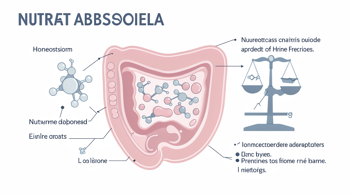
Zinc is primarily absorbed in the small intestine, where it enters the enterocyte through the Zir-and Irt-like protein 4 (ZIP4) transporter 3. Once inside the intestinal cell, the mineral may be stored by binding to thionein to form metallothionein, utilized for immediate functional needs, or transported across the basolateral membrane to bind with albumin for systemic circulation 3. Homeostasis is maintained through a delicate balance of intestinal absorption, gastrointestinal excretion, and reabsorption 1.
A critical characteristic of this process is that zinc absorption is a saturable process. Research indicates that absorption efficiency declines significantly as the dosage of ingested zinc increases 9. Specifically, data shows that absorption efficiency can drop from approximately 73% at a 2mg dose to 37% at a 30mg dose 9. Consequently, the body exhibits a physiological ceiling for net zinc absorption of roughly 11mg per dose, regardless of the quantity consumed, suggesting that megadosing does not necessarily lead to proportional increases in systemic zinc availability 9.
Impact of Dietary Factors and Inhibitors
The composition of the diet during weight loss significantly influences how zinc tablets are absorbed. Certain dietary substances, particularly phytates found in whole grains, legumes, nuts, and seeds, can form complexes with zinc in the digestive tract, thereby inhibiting its uptake 3. Furthermore, polyphenols found in coffee and tea are recognized as inhibitors of zinc absorption 3. This is a vital consideration for individuals relying on plant-heavy weight loss diets, as these inhibitors may necessitate careful planning to ensure adequate mineral status 10.
Interaction with other minerals and medications also dictates the efficiency of zinc supplementation. It is often recommended to separate zinc intake from iron, calcium, and certain antibiotics to avoid potential absorption interference 4. While some individuals may experience gastrointestinal discomfort when taking zinc on an empty stomach, taking it with food can mitigate these effects, although this approach must be balanced against the risk of binding to dietary phytates 4.
Evaluating Different Forms of Zinc Supplements
Not all zinc supplements are absorbed with the same efficiency. While isotope-tracer testing has indicated that forms like zinc citrate and zinc gluconate show approximately 61% absorption levels, other forms such as zinc oxide have shown significantly lower uptake at roughly 50% 7. Bisglycinate is frequently cited as a preferred option for its gentle profile on the stomach and effective absorption rates 7. Popular forms like zinc picolinate are widely available, though evidence supporting its superior absorption status remains limited to singular, non-replicated studies 7.
For specific therapeutic uses, such as addressing a cold, research points to the efficacy of acetate or gluconate lozenges that dissolve slowly in the mouth, which differs functionally from the systemic absorption required for routine mineral supplementation 7. Choosing a form should be based on individual tolerance and intended outcome, with professional guidance often recommended to ensure the selection aligns with individual health markers 4.
Zinc Status in the Context of Weight Loss
There is no established direct link between zinc supplementation and weight loss in individuals who are already zinc-replete 5. While lower zinc levels are sometimes observed in individuals with obesity, this may be attributed to high metabolic demands or specific dietary patterns rather than a primary cause of weight gain 5. Zinc's role in the body is supportive, involving the regulation of hormones like leptin, which signals satiety, and enzymes that support resting energy expenditure 8.
For those managing weight through significant interventions, such as bariatric surgery, the risk of deficiency is heightened due to altered gastrointestinal anatomy and reduced food intake volumes 8. In these cases, consistent monitoring of zinc status is a standard clinical practice to prevent impairments in immune function, wound healing, and glycemic control 8. For the general population, routine supplementation is not a substitute for a balanced, nutrient-dense diet 6.
Risks of Excessive Zinc Intake
The body does not store excess zinc in significant quantities, and exceeding the tolerable upper intake level can lead to adverse physiological consequences 6. The safe upper limit for zinc supplementation for adults is typically set at 40mg per day from all sources combined 7. Consuming amounts above this threshold, or engaging in long-term, high-dose supplementation, may interfere with the absorption and utilization of copper, potentially leading to a secondary copper deficiency 4.
Common clinical signs of excessive zinc intake include nausea, abdominal discomfort, and vomiting 4. In clinical practice, practitioners may assess zinc status using serum or plasma concentrations, which typically range from 80 to 120 mcg/dL in healthy adults 1. However, clinicians must interpret these results with caution, as serum concentrations can be influenced by time of day, sex, age, and systemic inflammation rather than solely reflecting total body stores 1.
Summary of Best Practices
For individuals integrating zinc supplementation into their lifestyle, the following evidence-based considerations are pertinent:
- Prioritize balanced dietary sources, including meat, seafood, and nuts, as these provide a natural, bioavailable source of zinc 6.
- Be aware that zinc absorption efficiency decreases at higher dosages due to saturation of cellular transporters 9.
- Space zinc intake away from heavy meals containing high concentrations of phytates, iron, or calcium to optimize bioavailability 4.
- Monitor for signs of gastrointestinal distress; if sensitivity occurs, consider taking the supplement with a small amount of food while acknowledging the potential for reduced absorption 4.
- Limit daily intake to the recommended upper boundaries to prevent copper depletion and other adverse reactions 7.
Sources
- National Institutes of Health Office of Dietary Supplements, Zinc Health Professional Fact Sheet
- Journal of Nutrition, NHANES Zinc Intake Data Summary
- Medicine LibreTexts, 12.8: Zinc, Kansas State University
- Acibadem Hospitals Group, Health Library: When to Take Zinc
- Bolt Pharmacy, Does Zinc Help with Weight Loss? Evidence and Guidance
- Cleveland Clinic, How Zinc Benefits Your Body and How Much You Need Each Day
- Verified Supplement Data, Zinc Picolinate vs Citrate, Glycinate, Gluconate: Absorption
- BodEvolve Bariatric, Zinc and Weight Loss: The Real Connection Explained
- American Journal of Clinical Nutrition, Tran et al. Study on Saturable Zinc Transporters
- WeightFAQ, Zinc and Weight Loss: What Deficiency Does and Who Actually Needs a Supplement
Authored by MyTrendSpot team