Everything you need to know about full arch dental restoration in one day: A Clinical Overview of Same-Day Implant Protocols
For individuals facing failing dentition, the prospect of achieving a functional smile in a single clinical visit has become a prominent topic in modern reconstructive dentistry 1. The term 'teeth in one day' refers to a specific treatment protocol where dental implants are surgically placed and immediately loaded with a fixed, temporary bridge 2. It is essential to recognize that this process is a sophisticated surgical sequence rather than a singular cosmetic service, requiring precise pre-operative planning and professional expertise to ensure successful osseointegration 3. This guide provides a neutral analysis of the clinical pathway, patient considerations, and the realities of maintenance associated with this procedure.
Understanding the 'Teeth in One Day' Mechanism
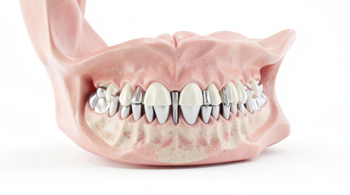
The core objective of a full-arch restoration is to replace an entire row of missing or compromised teeth with a fixed prosthesis supported by four to six dental implants 4. This approach, often branded as All-on-4 or All-on-X, utilizes strategically angled implants to maximize contact with available jawbone, which can frequently reduce or eliminate the necessity for extensive bone grafting 5. The 'one day' component specifically refers to the placement of a provisional, fixed bridge during the same surgical session as the extractions and implant installation 6.
Patients should note that this provisional bridge is not the final, permanent restoration 7. The definitive prosthesis is typically fabricated after a healing period of three to six months, allowing the implants to undergo osseointegration-the biological process where the titanium posts fuse with the surrounding bone 8. This staged approach ensures that the final bite and aesthetics are fully optimized once the initial surgical site has stabilized 9.
Candidacy and Clinical Assessment
Not every patient is a candidate for immediate-load implant procedures. Candidacy is determined through a comprehensive diagnostic phase that typically involves 3D cone-beam computed tomography (CBCT) scans, clinical dental examinations, and a thorough review of medical history 10. Factors such as jawbone density, bite force, and existing oral health are primary determinants of success 11. Individuals with significant, uncontrolled systemic health issues or active, untreated periodontal disease may require staged treatment plans rather than same-day restoration to mitigate the risk of complications 12.
| Metric | General Industry Expectation |
|---|---|
| Typical Implants per Arch | 4 to 6 |
| Provisional Timeline | Same day as surgery |
| Final Restoration Timeline | 3 to 6 months post-surgery |
| Average Reported Survival Rate | Approximately 95.5% at 10 years |
The Surgical Process and Immediate Recovery
The surgical appointment often involves the extraction of remaining compromised teeth, followed by the precise placement of implant posts into the jawbone 13. In many instances, sedation dentistry is utilized to enhance patient comfort throughout the procedure 14. Following the implant placement, the provisional prosthesis is attached. This provides immediate, non-removable function, which is a significant departure from the mechanics of traditional removable dentures that rely on suction and adhesives 15.
Recovery typically involves expected post-surgical side effects such as swelling, bruising, and minor bleeding 16. During the initial months of osseointegration, patients are usually advised to adhere to a soft-food diet to prevent excessive stress on the newly placed implants 17. While these limitations are temporary, strict adherence to these clinical guidelines is crucial for preventing implant micromovement, which could jeopardize the long-term stability of the restoration 18.
Risk Management and Regulatory Oversight
While full-arch restorations boast high success rates, they are invasive procedures with inherent clinical risks. Complications such as site infection, damage to adjacent anatomical structures, or, in rare cases, implant failure can occur 19. Furthermore, factors such as smoking, poorly controlled diabetes, and inadequate home care hygiene are proven to correlate with higher rates of peri-implantitis-an inflammatory condition affecting the tissues around the implant 20. Consequently, patients must undergo a rigorous screening process to manage these risk variables before surgery is scheduled 21.
Long-Term Maintenance and Oral Hygiene
A significant misconception regarding fixed implant-supported bridges is that they are maintenance-free. On the contrary, these restorations require rigorous daily hygiene practices and regular professional maintenance 22. This includes cleaning under and around the fixed prosthesis to remove plaque and debris, as well as periodic clinical examinations to monitor the health of the surrounding gum tissue and the integrity of the hardware 23. Professional hygiene visits every three to six months are standard recommendations to maintain the longevity of the restoration and the health of the underlying implants 24.
Financial Considerations and Market Trends
The cost of full-arch restoration is variable and depends on a range of factors, including the number of implants required, the complexity of the case, the materials used for the final prosthesis, and the geographic location of the provider 25. While dental insurance may provide partial coverage for some associated services, such as extractions or basic diagnostic imaging, it frequently excludes or limits coverage for the implants themselves 26. Prospective patients are encouraged to request a detailed, itemized treatment plan during their consultation to understand the total scope of the investment, including the final prosthesis phase 27.
Sources
- National Institute of Dental and Craniofacial Research (nidcr.nih.gov)
- American Academy of Implant Dentistry (aaid-implant.org)
- Mayo Clinic (mayoclinic.org)
- Cleveland Clinic (my.clevelandclinic.org)
- American Academy of Periodontology (perio.org)
- American College of Prosthodontists (prosthodontics.org)
- American Dental Association (ada.org)
- Merck Manual Consumer Version (merckmanuals.com)
- National Health Service (nhs.uk)
- U.S. Food and Drug Administration (fda.gov)
Authored by MyTrendSpot team