Signs high blood pressure complications are getting worse: A Clinical Overview of Progressive Cardiovascular Risks
The Nature of Chronic Hypertension and Asymptomatic Progression
High blood pressure, often termed the silent killer, remains largely asymptomatic for years, making the detection of worsening disease a significant challenge for both clinicians and patients 3. Because the condition typically presents no noticeable warning signs, the transition from controlled hypertension to progressive organ damage is frequently hidden 4. Most individuals remain unaware of the physiological strain occurring within their arterial walls until a sudden event manifests 6. Consequently, relying solely on physical sensations to gauge the stability of blood pressure control is often insufficient and potentially dangerous 9.
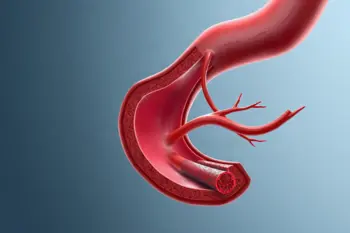
Healthcare professionals emphasize that the disease operates like water pressure in a home plumbing system; just as excessive pressure damages pipes, chronic hypertension causes the systemic deterioration of blood vessels 4. This damage is progressive and cumulative. Over time, the inner lining of the arteries loses elasticity, hindering the delivery of oxygen and nutrients to critical organs 5. Regular, standardized blood pressure monitoring remains the only reliable method to track whether the disease is reaching a threshold where it may cause severe, irreversible injury 2.
Defining the Hypertensive Crisis Threshold
Medical guidelines categorize blood pressure readings based on the force applied against artery walls during heartbeats 6. A reading of 180/120 mmHg or higher serves as a critical clinical marker for a hypertensive crisis 2. At this elevation, the risk of acute damage to the brain, heart, kidneys, and eyes increases exponentially 2. It is essential to differentiate between a hypertensive urgency, where the reading is high but no active organ damage is present, and a hypertensive emergency, which involves life-threatening injury to vital systems 1.
When a high reading is detected, clinicians recommend a specific, calm protocol: rest quietly for five minutes before re-checking the blood pressure to ensure the initial measurement was not influenced by transient factors like stress or movement 7. A persistent reading at or above the 180/120 mmHg threshold warrants immediate communication with a healthcare provider, even in the absence of obvious symptoms 7. If this high reading is accompanied by physical manifestations of organ distress, the situation necessitates emergency medical intervention 6.
Neurological Red Flags and Stroke Indicators
When high blood pressure leads to neurological complications, the warning signs often appear suddenly and require rapid assessment to prevent permanent brain damage 9. A hypertensive emergency can precipitate conditions like swelling in the brain or intracranial bleeding, leading to acute confusion, profound weakness, or loss of consciousness 10. Sudden, severe headaches that differ significantly from a person's typical headache patterns are considered a primary indicator of escalating intracranial pressure 9.
| Symptom Category | Specific Warning Indicators |
|---|---|
| Neurological | Sudden facial drooping, one-sided weakness, or speech impairment. |
| Cognitive | Acute confusion, disorientation, or seizure activity. |
| Visual | Blurred vision, sudden loss of vision, or light-sensitive spots. |
| Physical | Worst-of-life headache or loss of balance. |
These neurological symptoms are synonymous with stroke-like events and demand an immediate 911 call rather than a home-based diagnostic approach 7. Other subtle signs, such as difficulty speaking or sudden clumsiness, indicate that the brain is struggling to maintain proper perfusion, necessitating urgent medical imaging and neurological evaluation in an emergency setting 10.
Cardiovascular Complications and Heart Failure
Chronic hypertension forces the heart to work against increased resistance, which can lead to structural changes and functional failure over time 3. Symptoms suggesting heart-related complications include persistent chest pain or tightness, which can signal that the heart muscle is not receiving sufficient oxygen 10. Furthermore, shortness of breath, especially when lying down or following minimal exertion, often points to fluid backing up into the lungs, a hallmark of congestive heart failure 10.
Patients should be vigilant regarding non-specific but cumulative signs of worsening heart health. These may include unexplained, rapid weight gain, persistent swelling in the lower extremities (ankles and legs), and extreme fatigue 9. While these symptoms can develop gradually, their onset indicates that the heart is reaching the limit of its ability to compensate for the pressures imposed by systemic hypertension 5. Any suspicion of cardiac distress should be evaluated by a medical professional to adjust treatment regimens and prevent a catastrophic event like a myocardial infarction 3.
Renal Impairment and Worsening Kidney Function
The kidneys act as a major regulatory organ for blood pressure, yet they are also highly vulnerable to damage caused by hypertensive disease 5. As blood vessels in the kidneys become damaged, the ability of these organs to filter waste products from the blood is compromised, leading to a feedback loop where worsening kidney health further drives up blood pressure 6. Signs of renal involvement are often difficult to detect in the early stages, as they may be initially asymptomatic 9.
Advanced indicators of kidney involvement may include changes in urination frequency, the presence of blood in the urine, or urine that appears foamy, suggesting protein leakage 9. Systemic swelling, particularly around the eyes or in the limbs, may also occur as the body struggles with fluid retention 9. Because kidney damage and hypertension are interconnected, those with a history of high blood pressure are typically monitored with regular blood and urine tests to assess glomerular filtration rates and protein levels before clinical symptoms manifest 6.
Management Realities and Regulatory Oversight
Managing the progression of hypertension involves strict adherence to therapeutic protocols and lifestyle interventions. A common cause of hypertensive emergencies is the discontinuation or irregular use of prescribed antihypertensive medications 2. When patients abruptly cease their medication, it can lead to dangerous, rapid spikes in pressure that the body is not equipped to handle, precipitating an acute hypertensive crisis 8. Patients are cautioned against attempting to self-manage or rapidly lower pressure at home using non-prescribed methods or outdated medication doses, as these actions can induce ischemia or stroke 8.
Consistent follow-up care is essential for modifying treatment as the disease progresses or as comorbidities like diabetes or chronic kidney disease develop 5. Clinical guidelines stress that managing long-term, stable hypertension is a proactive process involving dietary sodium reduction, consistent physical activity, and medical surveillance 3. When these measures fail to maintain blood pressure within target ranges, it is an indicator that the condition is evolving, requiring a revised clinical strategy overseen by a qualified physician 5.
Sources
- Ahmed I, et al. Hypertensive Crisis. StatPearls. 2026.
- AdventHealth. When Is High Blood Pressure an Emergency? Know the Signs. 2026.
- Cleveland Clinic. High Blood Pressure (Hypertension): Symptoms & Causes. 2026.
- WebMD. High Blood Pressure Overview: Causes, Signs, and Management. 2026.
- Mayo Clinic. High blood pressure dangers: Hypertension's effects on your body. 2026.
- The Emergency Center. When to Go to the ER for High Blood Pressure. 2026.
- Survipedia. Hypertensive crisis: urgency vs. emergency. 2026.
- Nova Ambulans. Hypertensive Crisis: When 180/120 mmHg Means Calling 112. 2026.
- Kensho Pharm. Hypertension Danger Signs: When High Blood Pressure Becomes a Medical Emergency. 2026.
- Vitals Vault. Hypertensive Crisis: Symptoms, Causes, Treatment, and When to Go to the ER. 2026.
Authored by MyTrendSpot team