Warning signs of chronic kidney disease: A clinical guide to symptoms and screening
Warning signs of chronic kidney disease can be subtle because the condition often develops slowly and may cause no noticeable symptoms in its early stages. Persistent changes in urination, swelling, fatigue, appetite, skin condition, or concentration deserve medical evaluation, especially when diabetes, high blood pressure, heart disease, obesity, or a family history of kidney disease is present. 1
Why chronic kidney disease is difficult to recognize
Chronic kidney disease, or CKD, occurs when the kidneys are damaged or have a structural problem that prevents them from filtering blood properly. Waste and excess fluid can then accumulate in the body. The condition is defined as kidney damage or reduced kidney function lasting at least three months, and it commonly progresses gradually rather than producing a sudden, obvious illness. 3
The absence of symptoms does not mean kidney function is normal. National Kidney Foundation information states that many people do not know they have kidney disease, while the National Institute of Diabetes and Digestive and Kidney Diseases estimates that more than 35 million adults in the United States have CKD, representing more than one in seven adults. 2 3
Urine and urinary changes
Foamy or unusually bubbly urine may indicate protein in the urine, particularly when the appearance happens repeatedly rather than occasionally. Protein leakage can be an early sign of kidney damage. Blood in the urine, a need to urinate more often, urinating less often, or increased nighttime urination are also changes that should be discussed with a healthcare professional, although these signs can have causes unrelated to CKD. 2
Urine appearance alone cannot diagnose chronic kidney disease. Kidney evaluation generally includes a urine test that measures albumin, a type of protein, and a blood test used to estimate filtration capacity. The National Kidney Foundation identifies estimated glomerular filtration rate, or eGFR, and urine albumin-to-creatinine ratio, or uACR, as two simple tests used to assess kidney health, particularly among people with recognized risk factors. 2
Swelling, weight, and fluid retention
Swelling in the ankles, feet, hands, or around the eyes can occur when damaged kidneys cannot remove enough sodium and fluid. Puffiness may be more visible after waking around the eyes or later in the day in the lower legs. Unexplained weight loss is also listed among possible CKD symptoms, while fluid accumulation can contribute to changes in body weight. 1 2
Swelling is not specific to kidney disease and can also be associated with other medical conditions. Its significance increases when it occurs with foamy urine, altered urination, fatigue, high blood pressure, or a known kidney risk factor. Kidney-related fluid imbalance reflects impaired regulation of water and minerals, functions normally supported by the kidneys as they filter waste and excess fluid from the bloodstream. 3
Fatigue, concentration, and sleep problems
Persistent tiredness, weakness, reduced energy, trouble sleeping, and difficulty concentrating are reported symptoms of kidney disease. These problems may become more noticeable as kidney function declines and waste products accumulate. Fatigue can also have many other explanations, so it should not be interpreted as proof of CKD without blood, urine, and clinical assessment. 2 4
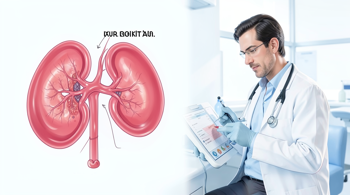
Kidney function affects several systems beyond urine production. Healthy kidneys help produce hormones involved in red blood cell production, balance minerals, support bone health, and help regulate blood pressure. When these functions are disrupted, a person may experience broader symptoms such as low energy or trouble thinking clearly, particularly in more advanced disease. 1 3
Skin, appetite, and digestive warning signs
Dry or itchy skin, reduced appetite, nausea, and unintended weight loss can occur as CKD advances. The National Kidney Foundation includes dry, itchy skin and poor appetite among recognized signs, while kidney disease information from the National Kidney Foundation also lists nausea and weight loss without trying as possible symptoms. These complaints can result from many disorders, making testing important when they persist. 2
Waste buildup is one explanation for symptoms affecting the skin and digestive system, but symptom severity does not reliably show how much kidney function has changed. Some people with substantial disease have few complaints, whereas others notice several nonspecific symptoms. A clinical evaluation can distinguish possible kidney-related changes from medication effects, dehydration, infection, or other health conditions. 3 4
Risk factors and how CKD is confirmed
Diabetes and high blood pressure are major conditions associated with CKD. Other recognized risks include cardiovascular disease, heart failure, obesity, older age, a family history of kidney disease, inherited conditions such as polycystic kidney disease, autoimmune disease, and structural kidney problems. Managing conditions that cause kidney damage may help slow progression, but risk status cannot establish a diagnosis by itself. 1 3
Assessment commonly combines blood pressure measurement, blood testing for eGFR, urine albumin testing, and medical review of symptoms and history. Imaging may be considered when clinicians need information about kidney structure or urinary blockage. Early identification matters because treatment and monitoring can address contributing conditions and may slow further damage, while advanced, long-lasting CKD typically cannot be reversed. 3 4
When symptoms require medical attention
Repeated foamy urine, visible blood in urine, persistent swelling, major changes in urination, ongoing fatigue, appetite loss, nausea, or unexplained weight loss should be discussed with a healthcare professional. These symptoms do not automatically indicate CKD, but they are clinically relevant when they continue or appear in combination. People with diabetes, high blood pressure, heart disease, obesity, or a family history may need kidney testing even when they feel well. 2 3
Kidney disease can increase the risk of other health problems, including heart disease and stroke. Because symptoms may emerge only after substantial loss of function, symptom monitoring is not a substitute for screening among higher-risk adults. Blood and urine testing provides more reliable information about kidney performance and protein leakage than appearance or general wellbeing alone. 2 3
Sources
- Mayo Clinic, Chronic kidney disease: Symptoms and causes, https://www.mayoclinic.org/diseases-conditions/chronic-kidney-disease/symptoms-causes/syc-20354521
- National Kidney Foundation, Signs and Symptoms of Kidney Disease, https://www.kidney.org/kidney-topics/signs-and-symptoms-kidney-disease
- National Institute of Diabetes and Digestive and Kidney Diseases, What Is Chronic Kidney Disease in Adults?, https://www.niddk.nih.gov/health-information/kidney-disease/chronic-kidney-disease-ckd/what-is-chronic-kidney-disease
- Familydoctor.org, Chronic Kidney Disease, https://familydoctor.org/condition/chronic-kidney-disease-ckd/
Authored by MyTrendSpot team