Natural approaches to reduce tension headaches: An evidence-informed clinical guide
Natural approaches to reduce tension headaches generally focus on relaxation, hydration, sleep support, posture, physical activity, and other non-pharmacological measures. Evidence suggests that these strategies may reduce pain or headache burden for some people, but their usefulness depends on the headache pattern and underlying triggers. 1
What characterizes tension-type headaches
Tension-type headache is one of the most common primary headache disorders worldwide and is a significant contributor to years lived with disability. It is commonly associated with pressure-like or tightening discomfort rather than the pulsating pain more often associated with migraine, although symptoms can vary between individuals. 1
Daily stress, poor sleep, dehydration, unhealthy eating habits, limited exercise, and prolonged physical strain can worsen headache symptoms. A headache diary that records timing, location, associated symptoms, sleep, meals, hydration, screen exposure, and stress may help identify recurring patterns before a self-care plan is chosen. 3
Heat, cold, and muscle relaxation
Warm or cold compresses applied around the neck, shoulders, or head are commonly used to manage headache discomfort. Heat may be particularly relevant when tight neck and shoulder muscles accompany the headache, while cold can provide a numbing sensation for some people. The appropriate option is largely individual, and either should be used in a way that avoids skin injury. 2
Progressive muscle relaxation is another non-drug method. It involves deliberately tightening and releasing muscle groups to reduce awareness of physical tension. Literature on non-pharmacological therapies identifies relaxation-based approaches among the interventions considered for tension-type headache management, although response varies and repeated practice is generally needed to assess whether the method is useful. 1
Posture, movement, and structured exercise
Ergonomic adjustments can address physical strain linked to computer work and sustained neck positioning. A workstation assessment should consider monitor placement, seating, keyboard position, and the amount of time spent in one posture. These changes are intended to reduce repeated neck and shoulder loading rather than provide a guaranteed way to prevent every headache. 3
A randomized clinical trial included 54 women aged 18 to 55 years who completed either a structured exercise program or aerobic exercise twice weekly for 12 weeks, with 45 minutes per session. Both groups improved in quality of life, pain intensity, disability, anxiety, depression, exercise capacity, pressure pain threshold, and proprioception. The structured program produced greater improvements in several measures, including posture, muscle strength, and pressure pain threshold. 4
Hydration, sleep, and daily routines
Maintaining adequate fluid intake is a practical measure because dehydration is recognized as a potential headache trigger. Regular meals and consistent sleep may also help reduce physiological stress that can contribute to headache symptoms. These habits are supportive measures, not substitutes for evaluation when headaches are frequent, severe, or changing in character. 3
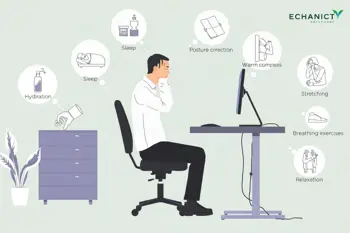
Sleep support is most useful when approached as a routine rather than a single intervention during an attack. Keeping a consistent sleep schedule, limiting patterns that repeatedly shorten sleep, and observing whether headaches follow poor rest can help clarify individual triggers. Research reviews of non-pharmacological headache care also include lifestyle and behavioral approaches, but the strength of evidence differs across interventions. 1
Stress-focused therapies and complementary care
Biofeedback teaches a person to monitor and influence physiological responses such as muscle tension. It may be relevant when headaches are closely connected to stress or sustained muscular contraction. Cognitive behavioral therapy similarly addresses stress, anxiety, and behavioral patterns that can maintain recurrent symptoms. These approaches are structured clinical interventions rather than quick pain-relief techniques. 1
Acupuncture, massage, and other complementary therapies appear in reviews of non-pharmacological tension-headache management. Acupuncture has also been identified in clinical guidance as a possible treatment for chronic tension-type headache. The quality and consistency of results can vary, so treatment should be provided by a properly qualified practitioner who reviews medical history and relevant risks. 1
Supplements and topical remedies
Magnesium supplementation may be relevant for people with magnesium deficiency, but the available information does not establish it as a universal treatment for tension headaches. Supplements can cause adverse effects or interact with medicines, and the appropriate formulation and dose depend on personal health circumstances. Medical advice is particularly important during pregnancy, with kidney disease, or when multiple medicines are being used. 2
Topical peppermint oil is often discussed because it can create a cooling sensation when applied to the temples or forehead. However, essential oils are concentrated substances and may irritate skin or eyes. They should not be applied near the eyes, swallowed, or used in an undiluted form. Natural products should therefore be assessed for safety rather than assumed to be harmless. 2
Limits, medication concerns, and warning signs
Natural measures may be used alongside a clinician-developed treatment plan, but they should not delay assessment of a new, unusually severe, persistent, or progressively worsening headache. Headaches accompanied by neurological changes, unusual symptoms, or substantial functional impairment warrant professional evaluation rather than continued self-treatment. 2
Frequent headaches also require attention to diagnosis and treatment strategy. A tension-type headache can resemble other headache disorders, and an approach that helps one category may not help another. A clinician can review headache frequency, symptoms, medication use, sleep, stress, and possible secondary causes before recommending a longer-term plan. 1
Sources
- Journal of Education, Health and Sport, “Non-Pharmacological Therapies in the Management of Tension-Type Headache: A Literature Review”
- Cleveland Clinic, “9 Ways To Relieve a Headache Naturally”
- Cedars-Sinai, “Can Natural Remedies Ease Headache Pain?”
- Pain Research Forum, “The Efficacy of Structured Exercise Program Versus Aerobic Exercise in Tension-Type Headache: A Randomised Clinical Trial”
Authored by MyTrendSpot team