Police impound offers: An Investigative Guide to How Municipal Vehicle Auctions Actually Work
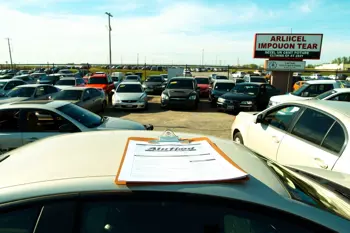
Police impound offers have grown into a recognizable segment of the secondhand vehicle market, with municipal agencies across the country regularly listing seized, abandoned, and unclaimed vehicles for public auction. These sales serve a practical government function: recovering towing and storage costs when owners fail to reclaim their property. 1 Understanding how this system operates, what categories of vehicles appear, and what legal obligations attach to winning bidders is essential before any participation in this market.
How Police Impound Auctions Are Structured
Vehicle impoundment is a formal legal process in which a law enforcement or municipal agency takes custody of a vehicle and holds it at a secured impound facility. 2 When an owner fails to retrieve the vehicle within a jurisdiction-defined period, which typically ranges from 30 to 90 days, the agency is authorized to sell it at public auction and apply the proceeds toward accumulated fees. 3 The auction process is governed by state statute, and agencies must generally satisfy specific notice requirements, including public postings in local newspapers or on official government websites, before a sale can proceed.
Most impound auctions in the United States are not conducted directly by police departments. Instead, municipalities contract with private auction houses that specialize in government liquidation. 4 Platforms such as Copart, Insurance Auto Auctions (IAA), GovDeals, Public Surplus, and AuctionZip aggregate listings from law enforcement agencies and allow registered buyers to bid online or in person. 5 A concrete example is the Kansas City Police Tow Lot, which operates through OAI Auctions at 7750 E Front St, Kansas City, MO 64120, holding online-only auctions featuring upward of 160 to 305 vehicle lots per event, with lots ranging across cars, SUVs, trucks, vans, and motorcycles. 6
Common Reasons Vehicles Enter the Impound System
The legal basis for impoundment shapes what types of vehicles enter the auction pipeline. Police can order a tow under several documented scenarios, and the triggering violation often determines how long the vehicle is held before becoming eligible for sale. 7 Across most U.S. jurisdictions, impoundment authority is grounded in what courts call the community caretaking function, meaning officers have a duty to remove vehicles that are hazardous, blocking traffic, or cannot legally remain where they are. 8
- DUI or reckless driving arrests, where no licensed driver can remove the vehicle
- Driving with a suspended, revoked, or nonexistent license
- No proof of insurance or expired registration
- Unpaid parking tickets or outstanding violations above a local threshold
- Vehicles seized as evidence of a crime or connected to an investigation
- Abandoned vehicles left in tow-away zones or public property
Aurora, Colorado, provides a documented example of policy-driven volume: after voters approved a voter-passed three-strikes rule in November 2024 requiring impoundment when a driver lacks valid insurance, registration, and a license simultaneously, more than 1,500 vehicles were impounded during the first year of the policy alone. 9 Vehicles unclaimed after 30 days under that policy proceed to auction, with proceeds directed to the City of Aurora's general fund.
What Buyers Encounter: Fees, Conditions, and Title Status
All vehicles at police impound auctions are sold as-is, with no warranties expressed or implied. 10 Auction terms from the Kansas City Tow Lot, updated in January 2026, state explicitly that most vehicles do not have keys, that bidders will generally not know whether a vehicle runs until after purchase, and that bids constitute binding purchase agreements that cannot be retracted for any reason. 11 Non-payment results in a permanent ban from the auction and forfeiture of any deposit paid. The Kansas City Tow Lot charges a $300 registration deposit, a $25-per-lot administrative fee, and a 10% buyer's premium on top of the winning bid price. 12
Title status is a significant variable. Many impounded vehicles carry salvage or rebuilt titles, particularly if they were previously totaled by an insurance company before being abandoned or seized. 13 In some jurisdictions, buyers receive a government-issued certificate of ownership rather than a standard title. Kansas City Tow Lot terms confirm that the city impound lot mails a title document separately after the sale rather than providing it at pickup. Outstanding liens or existing claims on a vehicle must be resolved by the buyer before a clean transfer of ownership is possible, adding potential legal complexity beyond the auction price itself.
Comparing Major Auction Formats and Platforms
| Platform | Format | Coverage | Notable Feature |
|---|---|---|---|
| Copart | Online bidding | Nationwide (U.S.) | Primary marketplace for police and government liquidation |
| IAA (Insurance Auto Auctions) | Online and in-person | Nationwide (U.S.) | Second-largest network; partners with law enforcement directly |
| GovDeals | Online bidding | Nationwide (U.S.) | Municipal agencies list surplus and impounded property directly |
| Public Surplus | Online bidding | Nationwide (U.S.) | Covers a wide range of government agencies including police |
| OAI Auctions (Kansas City) | Online only | Regional (Missouri/Kansas) | Dedicated municipal tow lot auction with regular monthly cycles |
| Suffolk County PD (in-person) | In-person bidding | Local (New York) | Minimum $500 opening bids; approximately 85-90 lots per event |
Suffolk County Police Department in New York holds its own in-person impound auctions at its facility at 100 Old Country Road, Westhampton. A typical auction features approximately 85 to 90 lots of sedans and SUVs, all starting at a minimum bid of $500, with preview days scheduled two days before each event. 14 This direct departmental model contrasts with the contractor-operated model used by Kansas City and many larger municipalities.
Risks, Regulatory Oversight, and Buyer Protections
The financial risk in impound auction participation is substantial and well-documented. An impounded vehicle sitting in a lot for two weeks can generate a bill of $800 to $1,500 or more for its original owner, composed of an initial tow fee between $100 and $350, daily storage fees ranging from approximately $20 to $100 per day depending on jurisdiction, and administrative or gate fees. 15 For buyers at auction, these historical carrying costs are already baked into why the vehicle was never reclaimed by its owner, but buyers inherit all post-sale transportation and repair obligations. Nationally, 20% of all impounded vehicles are never reclaimed by their original owners, translating to roughly 200,000 vehicles entering the auction pipeline annually. 16
Regulatory oversight varies significantly by jurisdiction. The National Auto Auction Association (NAAA) sets standards and best practices for vehicle auctions, and most police impound sales are expected to follow federal guidelines for transparency and fair bidding. 17 The U.S. Department of Justice Asset Forfeiture Program publishes its own guidelines governing vehicles seized through civil asset forfeiture, which is a legally distinct process from routine impoundment and involves significantly more complex procedures to contest. Buyers should verify whether a vehicle originates from a routine impound or a forfeiture action, as the title clearance process differs materially between the two. Inspection opportunities, where available, are typically limited to a narrow window before the auction closes, and independent mechanical assessment is rarely permitted on-site.
How to Locate and Monitor Police Impound Auctions
Prospective participants have several reliable research channels available. Local police department websites and municipal government pages regularly post information about upcoming auctions, viewing times, and vehicle inventories. 18 Federal seizure auctions are listed by agencies including the Department of the Treasury and the FBI, which maintain public pages for seized property sales. Regional auction houses holding government contracts, such as OAI Auctions in the Kansas City metro area, operate their own websites with searchable lot catalogs. Legal notice sections of local newspapers carry mandatory public announcements of upcoming sales as required by state law in most jurisdictions.
Registration requirements are standard across virtually all platforms. Bidders must provide a government-issued photo ID and often a credit card deposit to secure bidding eligibility. 19 Some platforms require a dealer's license for participation, particularly when a buyer intends to resell vehicles rather than retain them. Payment deadlines are strict: the Kansas City Tow Lot requires full payment the day after auction close, accepting cash by 5:00 PM or wire transfer by 2:00 PM, with no late or partial payments accepted. Late vehicle pickup carries an additional $30-per-day storage fee for vehicles not removed by the Saturday following the sale. 20 Understanding these procedural requirements in advance is a prerequisite for any informed participation in police impound offers.
Sources
- Wikipedia - Vehicle Impoundment (en.wikipedia.org/wiki/Vehicle_impoundment)
- LegalClarity - Police Seized My Car: How Do I Get It Back? (legalclarity.org)
- ShunAuto - Can Police Impound Your Car? Legal Rights and Procedures Explained (shunauto.com)
- GovDeals (govdeals.com)
- Copart (copart.com); IAA (iaai.com); Public Surplus (publicsurplus.com); AuctionZip (auctionzip.com)
- OAI Auctions - Kansas City Police Tow Lot Auction Records, January-March 2026 (bids.oaikc.com)
- Observed.org - Can Police Impound or Tow Your Car for No Insurance or Registration? (observed.org)
- Shouselaw.com - Towing and Impoundment Laws in Nevada (shouselaw.com)
- Denver7 - 1,500 Vehicles Impounded During First Year of Aurora's Three Strikes Rule (denver7.com)
- DailyStuff - Affordable Police Impounded Cars (daily-stuff.com)
- OAI Auctions - KC Police Impound Tow Lot Auction Terms and Conditions, Updated January 2026 (auctions.oaikc.com)
- OAI Auctions - Kansas City Police Auction March 03 2026 (bids.oaikc.com)
- National Auto Auction Association (naaa.com)
- TBR News Media - Suffolk County Police Vehicle Auction (tbrnewsmedia.com)
- LegalClarity - What Happens If You Can't Afford Your Car's Impound Fees? (legalclarity.org)
- Five Star Towing - What Happens in an Impound (247okctowing.com)
- National Auto Auction Association - Standards and Best Practices (naaa.com)
- JPost - Buying Impounded Toyota SUVs: What You Need to Know (search.jpost.com)
- LegalMatch - When Can Police Impound a Car in Texas? (legalmatch.com)
- OAI Auctions - Kansas City Police Auction January 20 and February 03 2026 (bids.oaikc.com)
Authored by MyTrendSpot team