Warning signs of sleep apnea: A Clinical Analysis of Symptom Presentation and Health Risks
Understanding the warning signs of sleep apnea is critical for addressing a condition that affects an estimated 30 million people in the United States, yet leaves approximately 80% of individuals undiagnosed 6. Sleep apnea is characterized by the repeated cessation of breathing during sleep, which can occur hundreds of times each night, preventing the body from achieving restorative rest 3, 11. Because many individuals are unaware of these nocturnal events, clinical recognition often relies on reports from bed partners or the identification of secondary daytime symptoms 2, 4.
Physiological Manifestations of Obstructive Sleep Apnea
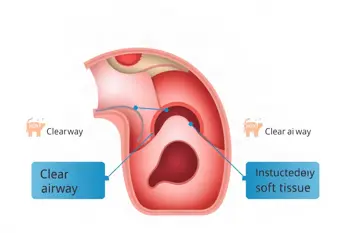
Obstructive sleep apnea (OSA) occurs when throat muscles and soft tissues relax excessively during sleep, causing the airway to narrow or close completely 1, 8. The most recognizable marker is loud, habitual snoring, though it is important to note that not everyone who snores has the condition, and conversely, some individuals may have OSA without significant snoring 5, 7. When an airway becomes blocked, the resulting silence is often interrupted by a loud snort or a gasping sound as the body attempts to resume breathing 2, 8.
These breathing pauses, or apneas, typically last between 10 and 30 seconds 3. In severe cases, these interruptions can occur as frequently as once every minute or two 8. Because these events trigger a brief, often unconscious arousal to reopen the airway, the normal sleep architecture is significantly fragmented 8, 9. This physiological cycle of collapse and arousal places substantial stress on the cardiovascular system, contributing to long-term risks such as hypertension, stroke, and heart rhythm disturbances 1, 11.
Central and Complex Sleep Apnea Dynamics
While OSA is the most prevalent form, central sleep apnea (CSA) represents a different clinical mechanism where the brain fails to send the necessary signals to the muscles responsible for breathing 1, 2. Treatment-emergent central apnea syndrome, or complex sleep apnea, occurs when a patient diagnosed with OSA via a sleep study converts to a central pattern while undergoing positive airway pressure therapy 1, 4. Despite the difference in underlying causes, the resulting symptoms often overlap, making professional diagnosis essential for selecting the appropriate therapeutic intervention 1, 4.
Recognizing Daytime and Systemic Indicators
The impact of sleep apnea often manifests beyond the bedroom, with excessive daytime sleepiness being a primary indicator of disrupted nocturnal rest 5. Individuals may experience persistent fatigue, difficulty focusing, or an inability to stay awake during routine activities, which significantly elevates the risk of motor vehicle accidents 3, 5. Other systemic signs that warrant clinical attention include morning headaches, a dry mouth upon waking, and a sore throat, all of which reflect the physical strain of erratic nighttime respiration 1, 5.
Cognitive and psychological changes are also frequently observed in patients with chronic sleep fragmentation. Many individuals report difficulties with memory, concentration, and emotional regulation, including irritability or mood swings 5, 6. Furthermore, some patients experience frequent nighttime urination, a condition known as nocturia, as the body responds to the internal pressure changes caused by the struggle to breathe 5, 8.
Risk Factors and Anatomical Considerations
Certain physical characteristics can increase the likelihood of developing airway obstruction during sleep. A larger neck or collar size-specifically 17 inches or more in men and 16 inches or more in women-is a notable risk factor 2. Anatomical features such as enlarged tonsils, a large tongue that falls back during sleep, or a lower jaw that is small relative to the upper jaw can also constrict the airway 2, 3. Obesity is another significant factor, as excess tissue in the throat area can exert pressure on the airway passages 2, 3.
| Risk Factor | Impact on Airway |
|---|---|
| Large Neck Circumference | Increased external pressure on the throat |
| Anatomic Jaw/Tongue Shape | Higher likelihood of airway collapse |
| Obesity | Excess soft tissue volume in the pharynx |
| Supine Sleeping Position | Gravity facilitates tongue base retrognathia |
Diagnostic Evaluation Procedures
Medical evaluation typically begins with a detailed review of health history and sleep habits. A physician may inquire about the presence of snoring, the quality of sleep, and any witnessed breathing irregularities 5. A physical examination is conducted to identify potential anatomical obstacles, such as enlarged adenoids or palatal architecture that may contribute to airway narrowing 2, 5. To confirm a diagnosis, a sleep study-performed either at a specialized center or via a home-based testing kit-is used to monitor oxygen levels, heart rate, and respiratory effort throughout the night 5, 9.
Addressing Untreated Sleep Apnea
The potential for health complications makes early identification of sleep apnea vital. Chronic, untreated sleep apnea is linked to impaired metabolic health, including an increased risk for diabetes, and long-term cardiovascular damage 3, 11. While various treatment options-ranging from lifestyle modifications and positional therapy to positive airway pressure (PAP) devices and surgical interventions-are available, they must be guided by a formal clinical diagnosis 9, 11. Patients suspecting sleep apnea are encouraged to consult with healthcare professionals to undergo objective testing rather than relying on symptomatic observation alone 5, 8.
Sources
- Mayo Clinic: Sleep apnea - Symptoms and causes
- Penn Medicine: Obstructive sleep apnea - adults
- Harvard Health: Sleep Apnea - A to Z
- Penn Medicine: Sleep Apnea - Symptoms and Causes
- American Lung Association: Obstructive Sleep Apnea Symptoms and Diagnosis
- American Medical Association: What doctors want patients to know about sleep apnea
- Cleveland Clinic: Sleep Apnea Without Snoring: Is It Possible?
- NHS Inform: Obstructive sleep apnoea (OSA)
- Acibadem Hospitals Group: Sleep Apnea: Symptoms, Risks And Treatment Options
- UT Physicians: Sleep apnea signs you should not ignore
- National Heart, Lung, and Blood Institute: Sleep Apnea Symptoms
Authored by MyTrendSpot team