Weekend scenic train getaways: routes and what makes them different: A Research Report on Immersive Rail Travel
Weekend scenic train getaways represent a shift in travel methodology, where the transit segment becomes the primary destination rather than a mere means of moving between two points 14. Unlike standard intercity services, these journeys are curated to maximize visual engagement with the landscape, often utilizing vintage equipment or specialized panoramic carriages to immerse passengers in regions that are frequently inaccessible by road 2, 7, 15. This report evaluates the distinguishing characteristics of various routes, ranging from mountain-climbing heritage lines to river-hugging corridors, providing an objective overview of what travelers can expect from such excursions 11, 17.
The Appeal of Slow Travel and Heritage Rail
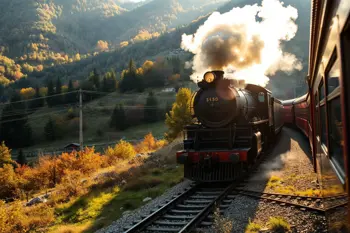
The core value proposition of a scenic rail excursion lies in its operational pace, which is deliberately slow to permit observation of environmental details that go unnoticed in high-speed or automotive transport 2, 13. Many of these railroads, such as the Cumbres and Toltec Scenic Railroad, utilize steam-powered, narrow-gauge technology, providing a sensory experience characterized by the sound of whistle echoes and the specific atmosphere of coal-fired engines 9, 15. These routes are often preserved as living museums, where the technical maintenance of the track and rolling stock is as central to the experience as the geography itself 11, 12.
| Railroad | Location | Primary Characteristic |
|---|---|---|
| Cumbres & Toltec | CO/NM | Historic steam/high-altitude pass |
| Blue Ridge Scenic | GA/TN | River-side forest transit |
| East Broad Top | PA | Industrial history/foliage |
| Verde Canyon | AZ | Red-rock desert wilderness |
Routes and Regional Topography
Different routes offer distinct visual palettes based on their geographic positioning. In the American West, railroads such as the Durango and Silverton Narrow Gauge Railroad wind through craggy canyons and high mountain passes, crossing trestles that have been in operation for over 140 years 7. Conversely, East Coast and Midwestern routes, such as those in the Hudson Valley or Pennsylvania, frequently highlight deciduous forest landscapes, agricultural regions, and river valleys 1, 12. These regional variations mean that the optimal season for travel-whether it be the green foliage of spring or the golden tones of autumn-varies significantly by location 5, 11.
Cultural and Culinary Integration
Modern operators are increasingly integrating cultural and culinary elements to enhance the passenger experience beyond static sightseeing. For instance, the Virginia Scenic Railway offers themed excursions like the Sip and Savor Express, which incorporates guided wine tastings led by local experts within the train cars 14. Similarly, the Koshino Shu*Kura in Japan utilizes regional cuisine and sake pairings to reflect the agricultural identity of the Niigata Prefecture 5, 19. These features demonstrate a trend toward creating a comprehensive experience that honors the destination's local industry and history 14, 16.
Logistical Considerations for Travelers
Planning a weekend getaway by rail requires attention to scheduling and booking lead times. Many heritage railways operate on seasonal schedules-typically running from spring through late autumn-and specific themed trains can reach capacity weeks or months in advance 4, 5, 11. For those using regional rail networks like Amtrak’s Empire Service or the Berkshire Flyer, the ability to utilize multiple stops along a corridor allows for flexible planning in towns like Hudson, NY, or Pittsfield, MA, without the necessity of a personal vehicle 1, 6.
Environmental Context and Accessibility
Rail travel provides an alternative that can reduce the physical strain and traffic-related stress often associated with mountain or rural road driving 6, 7. By following historic rights-of-way that were surveyed in the 19th century, these trains often penetrate wilderness areas where modern highway construction never occurred, offering perspectives of natural landmarks such as river gorges and cliff faces that road-bound travelers cannot access 1, 12. This exclusivity serves as a primary driver for the continued popularity of these specific routes 12.
Regulatory and Operational Realities
Prospective passengers should be aware that these services are frequently operated by non-profit organizations or heritage railway societies, which influences the level of amenities and the nature of the onboard experience 18. Unlike luxury rail, heritage lines focus on authenticity, which may include original rolling stock with varying degrees of seating comfort 9, 13. Additionally, while weather conditions can dramatically enhance the scenic value of a trip-such as snow in the Cascades or mist in the Appalachians-they can also impact operational schedules on some mountain lines, making it advisable to confirm status directly with the operator prior to departure 1, 5.
Sources
- New York By Rail: Most Scenic Weekend Train Trips
- Swiss Scenic Trains: Gotthard Panorama Express Guide
- My Euro Train: Centovalli Railway
- Georgia Mountains Guide: Blue Ridge Scenic Railway
- Travel + Leisure: Koshino Shu*Kura Train
- Travel And Tour World: Berkshire Flyer 2026
- Explore.com: Durango & Silverton Railroad
- The Week UK: Settle-Carlisle Line
- New Mexico Official State Guide: Cumbres & Toltec
- DistraTech: Switzerland 5-Day Scenic Route
- ABQ Journal: Cumbres & Toltec Overview
- Matador Network: East Broad Top Railroad
- Taking The Kids: Cooperstown and Charlotte Valley Railroad
- Take Me To TN: Verde Canyon Railroad
- My Family Travels: Granite State Scenic Railway
- My Family Travels: Eagle Cap Excursion
- Old Town Crier: Virginia Scenic Railway
- TravelMag: Cumbres & Toltec Time Travel
- AOL: Koshino Shu*Kura Details
Authored by MyTrendSpot team