Natural Remedies for High Cholesterol: An Analytical Review of Evidence-Based Approaches
Understanding Cholesterol and Cardiovascular Risk
Cholesterol is a waxy substance synthesized by the liver and ingested through animal-based foods, playing a critical role in cellular maintenance, hormone production, and vitamin D synthesis 4. While essential, elevated levels contribute to the accumulation of fatty deposits in arterial walls, significantly increasing the risk of cardiovascular disease and stroke 4. Clinical diagnostics categorize cholesterol into low-density lipoprotein (LDL), often termed bad cholesterol, and high-density lipoprotein (HDL), which facilitates the removal of excess cholesterol from the body 4. Approximately 40% of U.S. adults are estimated to have high cholesterol, a condition that frequently presents without overt symptoms 4.
Evidence-Based Dietary Modifications
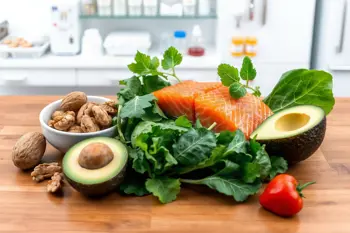
Dietary adjustments remain the foundational approach for natural cholesterol management. Replacing saturated fats, commonly found in red meat and full-fat dairy, with unsaturated fats is a primary strategy for improving lipid profiles 1. Monounsaturated and polyunsaturated fats found in sources like avocados, nuts, seeds, and oily fish such as salmon and mackerel provide significant cardiovascular benefits 5. Furthermore, increasing the intake of soluble fiber through foods like oats, barley, beans, and lentils effectively reduces LDL cholesterol by inhibiting its absorption within the intestine 2. Avoiding partially hydrogenated vegetable oils, which historically contained harmful trans fats, remains a critical component of heart-healthy dietary compliance 1.
The Role of Physical Activity and Weight Management
Regular aerobic exercise is a well-documented intervention for improving lipid metabolism. Sustained physical activity has been shown to lower LDL cholesterol and triglyceride levels while simultaneously increasing the concentration of HDL cholesterol in the blood 3. Scientific data suggest that even modest reductions in body weight can yield improvements in blood lipid profiles, making weight management a central pillar of non-pharmacological care 4. Experts emphasize that these lifestyle changes are vital even for individuals who require pharmacological intervention, as they may enhance the overall efficacy of medical treatment 3.
Nutraceuticals and Supplement Efficacy
Various supplements are marketed for cholesterol management, though their clinical utility varies significantly. Red yeast rice is among the most discussed, as it contains monacolin K, a compound chemically identical to the prescription drug lovastatin 9. Research indicates that red yeast rice may achieve LDL-C reductions ranging from 15% to 34% 9. However, regulators note that product quality, concentration of active ingredients, and safety profiles can vary widely between brands 9. Adverse effects associated with these products can mirror the myopathy and hepatotoxicity risks seen in conventional statin therapy 10.
Evaluation of Common Cholesterol-Lowering Supplements
Beyond red yeast rice, several other compounds are frequently studied for their lipid-modulating properties. The following table summarizes common supplements and their observed effects based on research data:
| Supplement | Potential Effect | Key Considerations |
|---|---|---|
| Berberine | May lower LDL and total cholesterol | May cause digestive upset or gastrointestinal discomfort |
| Plant Sterols/Stanols | Limits intestinal cholesterol absorption | Typically requires 2 grams daily for optimal benefit |
| Garlic | May slightly lower cholesterol | Short-term effect; may prolong bleeding time |
| Fish Oil | Primary effect on triglycerides | May affect blood-thinning medications |
| Green Tea Extract | Potential LDL reduction | May interact with medications or cause stomach upset |
While these substances offer potential benefits, they are not regulated by the FDA with the same stringency as pharmaceutical drugs 2. Consumers are cautioned that these products are intended as dietary additions rather than substitutes for evidence-based medicine, and they carry a risk of interacting with prescribed cardiovascular therapies 2.
Clinical Limitations and Safety Considerations
It is essential to acknowledge that lifestyle modifications and natural remedies may not be sufficient for individuals with high cardiovascular risk, severe genetic hypercholesterolemia, or established arterial disease 3. In these scenarios, pharmacological intervention, such as statins, remains the standard of care to prevent adverse cardiac events 10. Furthermore, patients are advised to consult with a healthcare professional before initiating any supplement regimen, as products can interfere with existing medications or cause physiological side effects 2. Relying solely on natural methods without professional medical guidance can potentially mask underlying health concerns or delay necessary life-saving treatment 3.
Sources
- Mayo Clinic - Top 5 lifestyle changes to improve your cholesterol
- WebMD - Alternative Treatments for High Cholesterol
- GoodRx - How to Lower Cholesterol Naturally
- University of Rochester Medicine - How to Lower Cholesterol Naturally
- Cleveland Clinic - 7 Ways To Lower Cholesterol
- Harvard Health - 11 foods that can help lower your cholesterol
- Mayo Clinic - Cholesterol-lowering supplements may be helpful
- PubMed Central - Effectiveness of Herbal Interventions in the Management of Hypercholesterolemia
- Journal of Education, Health and Sport - Herbal Products for Cholesterol Lowering: A Narrative Overview
- Current Applied Science and Technology - Protein Targets and the Roles of Natural Compounds in the Treatment and Management of Hypercholesterolemia
Authored by MyTrendSpot team