Top-rated heating pads for lower back pain: A technical analysis of therapeutic hardware and safety features
When seeking relief for lower-back discomfort, consumers often evaluate hardware based on performance metrics such as surface area, heat consistency, and safety protocols 1. As back pain affects an estimated 80% of adults at various points in their lives, heat therapy is frequently utilized as a non-pharmacological intervention to reduce muscle guarding and improve lumbar mobility 4. This article examines the technological standards and design specifications currently defining the market for heating pads intended for lower-back applications.
Understanding Therapeutic Hardware Requirements
Effective heat therapy for the lumbar region relies on consistent thermal distribution and adequate coverage 4. Clinical observations indicate that while basic electric pads offer simple, localized heat, modern units now incorporate features such as moisture-attraction layers, which some users prefer for deeper, more intense warmth 1. The physical size of the unit is a primary consideration, with 12-by-24-inch or larger configurations being standard for ensuring that both the lower back and abdominal regions receive appropriate coverage during a session 1, 7.
Material composition also plays a significant role in user experience. Manufacturers typically utilize soft microplush or Oeko-Tex certified fleece, which are designed to be breathable, skin-friendly, and durable enough for repeated machine washing 2, 8. When choosing a device, it is important to distinguish between corded electric models, which are intended for stationary use near a power outlet, and wearable or cordless variants, which offer higher mobility for users who need to maintain daily routines while receiving heat therapy 4, 9.
Safety Standards and Regulatory Oversight
Safety is a paramount concern for therapeutic home devices, with experts emphasizing the necessity of automatic shut-off timers to prevent prolonged or excessive heat exposure 5. Most high-quality units currently on the market feature programmable timers, typically ranging from 30 to 120 minutes 3, 9. Furthermore, professional-grade or well-rated consumer devices often carry ETL or UL certifications, indicating that the electrical components have undergone rigorous testing to ensure protection against overheating 9, 10.
| Feature | Importance for Lower Back |
|---|---|
| Auto Shut-off | Prevents overheating; enhances safety during passive use |
| Granular Heat Settings | Allows for precise temperature control during sensitivity changes |
| Adjustable Belt/Strap | Secures the pad for hands-free, targeted lumbar contact |
| Washable Cover | Maintains hygiene standards for frequent clinical or home use |
Clinical evaluation of these devices suggests that electronic overheating protection, such as proprietary safety systems, can distinguish high-end models from basic retail options 2. Users should note that while some units are HSA or FSA eligible, eligibility can vary significantly between brands, requiring individuals to check documentation before making a purchase for medical expense reimbursement 2, 7.
Ergonomics and Targeted Lumbar Relief
For individuals with localized pain, wearable wraps with integrated straps often outperform standard rectangular pads 6. These designs permit a hands-free experience, allowing the heating element to maintain consistent contact with the lumbar curve while the user is sitting or standing 5. Some modern variants, such as the BOB AND BRAD ThermoRed model, integrate additional technologies like vibration and red-light therapy to complement traditional thermal applications, creating a multi-modal recovery experience 5.
The efficacy of these wraps depends on the stability of the fit. Adjustable elastic belts that accommodate waist sizes ranging from 30 to 50 inches are common and recommended for achieving the necessary compression that keeps the heating element flush against the body 7. Without this structural support, heat loss at the edges of the pad can lead to uneven distribution, potentially diminishing the therapeutic benefit of the session 7.
Performance Metrics: Heat-Up Speed and Intensity
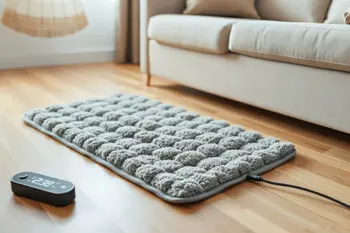
Heat-up speed is a key performance metric for users seeking rapid relief from muscle tension. Many contemporary pads utilize proprietary heating technologies to reach therapeutic temperatures within two minutes 8. However, it is essential for users to understand that the maximum temperature, often capped at approximately 140 degrees Fahrenheit for safety reasons, may feel mild to individuals accustomed to more intense, clinical-grade thermal treatments 8, 9.
Memory functions are an increasingly requested feature, allowing the controller to return to the last used temperature and timer setting upon reactivation 7. This granular control provides a more consistent experience for those who use heat therapy as a recurring part of a long-term pain management strategy. Regardless of the feature set, professional guidance suggests that users should always avoid direct skin contact if possible and seek medical evaluation if their back pain persists or is accompanied by other symptoms 10.
Comparing Stationary and Portable Solutions
The choice between a stationary corded pad and a portable wrap involves a trade-off between power and mobility. Stationary pads typically benefit from higher wattage, often resulting in a more sustained and stable thermal profile over long sessions 2. Conversely, battery-operated or wearable units prioritize convenience, allowing for treatment during travel or sedentary office work, though they may require more frequent maintenance of their internal power cells 5.
Ultimately, the best device is one that integrates seamlessly into a user's recovery routine without causing frustration. Criteria for selection should include the durability of the power cord, the intuitiveness of the LED controller, and the quality of the fabric, all of which contribute to the long-term utility of the hardware 1, 7. Prospective buyers should prioritize models that offer comprehensive warranties, as these are often indicative of the manufacturer's confidence in the internal heating elements and overall build quality 8.
Clinical Limitations and Preventive Usage
It is important to acknowledge that heating pads are auxiliary comfort tools and not primary medical equipment for structural spinal issues 1. Experts emphasize that consistent application for 15 to 20 minutes is generally the target for achieving muscle relaxation without causing tissue irritation 4. Prolonged use beyond recommended time frames or using settings that are too intense can lead to skin irritation or burns, particularly in individuals with reduced sensation in the lumbar region 10.
Effective management of back pain often involves a multi-disciplinary approach, with heat therapy serving as one component alongside physical therapy, exercise, and other medical guidance 3. Consumers are encouraged to maintain a skeptical eye toward marketing claims and focus on technical specifications, such as heat-up time, material certification, and safety shut-off protocols, to ensure they are selecting hardware that provides reliable, safe, and effective support for their specific needs 1, 9.
Sources
- Trusted Health Gear: Best Heating Pad 2026 Reviews
- MedGrade: Beurer HK 125 XXL Clinical Review
- Of Zen and Computing: 10 Best Electric Heating Pads for Back Pain
- Rosenberry Rooms: 10 Best Heating Pads for Back Pain Tested
- IMS Orthopedics: BOB AND BRAD ThermoRed Review
- Golf Galaxy: Pure Enrichment Product Information
- Comfytemp: Product Specifications for K9014 Heating Pad
- MedGrade: PureRelief XL King Size Clinical Analysis
- MedGrade: PureRelief XL Back & Neck Clinical Analysis
- IMS Orthopedics: CooCoCo Heating Pad Performance Evaluation
Authored by MyTrendSpot team