Hidden gems among all-inclusive Spain resorts: A guide to lesser-known luxury destinations
When searching for all-inclusive resorts in Spain, most travelers encounter the same familiar names repeated across travel platforms. However, the Spanish all-inclusive landscape contains numerous properties that deliver genuine luxury, architectural distinction, and value without the volume and marketing budgets of international chains. Understanding where these properties sit, what differentiates them, and what realistic expectations look like requires examining specific examples across Spain's primary resort regions.
The Canary Islands: Where Architectural Heritage Meets Modern Luxury
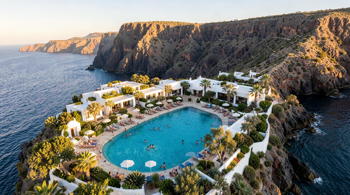
The Canary Islands host several all-inclusive resorts that have earned consistent recognition but remain overshadowed by larger competitors. Paradisus by Melia Salinas Lanzarote represents a category of resort built not around amenity volume but around singular architectural distinction. 1 The property centers on a 1,800-square-meter lagoon pool designed by legendary Canarian artist Cesar Manrique in the 1970s, with the original building awarded the International Prize for Architecture in 1979. 1 The resort operates as a 282-room adults-only property starting from $320 per night, with guest experience significantly enhanced for those booking The Reserve upgrade tier. 1 This property deliberately positions itself for design-conscious travelers and cultural enthusiasts rather than families seeking waterslides and volleyball tournaments.
Secrets Lanzarote Resort and Spa occupies a different segment within the island's all-inclusive market. Operating under Hyatt Inclusive Collection's Unlimited-Luxury program, the 335-room property in Puerto Calero marina starts from $175 per night and delivers premium spirits, no-reservation dining, and 24-hour room service as standard inclusions. 3 The spa facilities receive consistent mention as exceptional within European all-inclusive standards. 3 The legitimate limitation is the absence of a private beach, making it more suitable for couples prioritizing romantic atmosphere and wellness over traditional beach resort time.
Tenerife's Emerging Luxury Tier Beyond Costa Adeje
Tenerife's south coast concentrates the island's highest volume of all-inclusive properties, but several smaller operations differentiate themselves through design strategy or programming focus. Dreams Jardin Tropical Resort and Spa represents the only Hyatt Unlimited-Luxury all-inclusive on the island, with pricing from $300 per night and operation as the most complete all-inclusive in Tenerife according to evaluation standards. 6 The property distinguishes itself through mature botanical gardens, a heated free-form pool, and proximity to the airport that reduces travel friction for families. 6 The specification that it operates non-beachfront requires acknowledgment, though the mature landscape and proximity to beaches via short transit make this manageable for extended stays.
Iberostar Selection Sabila operates as the only genuine 5-star adults-only all-inclusive in Costa Adeje, with 472 rooms starting at $250 per night. 8 The Gourmet Market dinner concept and Wellness Room category demonstrate intentional product differentiation rather than generic buffet service. 8 The Star Prestige rooftop pool commands views consistently described as among the best in south Tenerife. 8 Realistic limitations include absence of private beach access and a surrounding strip characterized as touristy, making it most suitable for couples prioritizing design and peace over perceived exclusivity of location.
Mallorca's Boutique and Design-Forward Resorts
Mallorca hosts several overlooked all-inclusive options that cater to specific traveler archetypes rather than attempting broad market appeal. Secrets Mallorca Villamil Resort and Spa operates as Mallorca's only adults-only all-inclusive on a proper sandy beach, with 162 rooms starting from $190 per night. 2 The beachfront location in Peguera commands consistent praise, and Spanish dining touches receive mention as genuinely charming rather than generic. 2 The property carries acknowledged limitations including compact rooms and limited dining variety, with evaluation suggesting it sits a tier below true luxury leaders despite five-star designation. 2 Booking a Preferred Club Oceanfront room and treating it as a couples retreat rather than a pinnacle luxury experience aligns expectations with actual delivery.
Iberostar Selection Playa de Muro Village distinguishes itself through family focus and beach quality, with 202 rooms starting at $200 per night on one of Spain's finest beaches. 4 The shallow, crystal-clear bay at Playa de Muro receives specific mention as practically designed for toddlers, with the Star Camp kids club evaluated as genuinely excellent. 4 The water park sustains older children's engagement for extended periods. 4 The specific friction point is beach lounger surcharge, an acknowledged gap in an otherwise strong all-inclusive package, requiring budget allocation for this typical amenity.
Gran Canaria's Destination Inclusive Model
Paradisus Gran Canaria represents the Paradisus brand's first European property and operates on a Destination Inclusive concept that lifts it above generic all-inclusive territory. Located on San Agustin Beach in southern Gran Canaria, the 297-room resort starts at $350 per night and includes all eight restaurants in the rate, with cultural excursions baked into the package and a Michelin-starred chef directing the flagship kitchen. 5 This approach works most effectively for couples booking The Reserve adults-only upgrade and families appreciating craft workshops and agricultural tours over waterslides and foam parties. 5 Standard room guests should acknowledge tight space allocation, with the buffet receiving notes of inconsistency, making The Reserve upgrade a substantive quality improvement rather than a cosmetic amenity tier.
Mainland Spain and Lesser-Known Coastal Regions
Spain's mainland coastlines contain several all-inclusive properties that operate outside the typical tourist circuit while maintaining legitimate luxury positioning. Ikos Andalusia in Estepona represents a rare mainland Spanish all-inclusive with emphasis on Michelin-level dining and cultural programming, positioning it well above typical resort standards. 10 The Infinite Care concept combines extensive dining options with high-end local experiences, creating a differentiated package for travelers seeking substance over volume. 10 The Costa del Sol location provides access to Andalusian cultural attractions and regional gastronomy unavailable in island resorts.
Club Med Magna Marbella operates within Andalusia with expanded sports facilities and child-friendly programming, occupying a middle position between boutique and mega-resort. 10 The property appeals to active families and couples seeking engagement-based vacation structure rather than passive relaxation models. Regional positioning near cultural destinations including Seville, Cordoba, and Granada provides geographic advantages over island-based properties for travelers interested in broader Spanish exploration during all-inclusive stays.
What to Verify Before Booking Lesser-Known Properties
Hidden gem all-inclusive resorts typically operate with smaller marketing budgets and presence on fewer booking platforms, creating information asymmetry that requires active research. Verify actual room sizes through multiple review sources rather than relying on property photography, as smaller properties sometimes compensate for architectural charm with genuinely limited accommodation space. 2 Confirm specific dining inclusions against the resort's official terms, as all-inclusive definitions vary significantly across properties and brands, with some requiring restaurant reservations days in advance and others limiting a la carte dining to specific room tiers. 1 Request explicit details about beach access, as Mediterranean all-inclusive properties frequently position themselves as beachfront while actually providing beach access via shuttle or short walk rather than private sand. 3 Examine recent guest reviews from independent sources published within the current calendar year, as resort quality and service consistency fluctuate, and properties can shift significantly following management transitions or renovations.
Pricing transparency requires cross-reference checking across multiple booking channels, as smaller properties sometimes maintain different rates on direct booking platforms versus intermediaries. Calculate total cost including any mandatory room upgrades, resort credits, or access fees that may apply only to base room categories. Verify whether promotional rates advertised on property websites actually appear in real-time booking, as smaller resorts occasionally maintain outdated web pricing. Confirm cancellation policies explicitly, as lesser-known properties sometimes maintain stricter cancellation terms than international chains despite comparable pricing. Understanding these verification steps reduces risk when selecting properties outside the mainstream resort universe.
The Sustainability and Design Movement in Spanish All-Inclusive Resorts
A distinct category of Spanish all-inclusive resort has emerged emphasizing sustainability, locally sourced materials, and design coherence over amenity maximization. Garden Hotels in Mallorca frequently offer sustainable all-inclusive packages prioritizing locally sourced organic produce, representing an alternative value proposition for travelers willing to trade amenity quantity for agricultural and environmental authenticity. 10 Alannia Costa Blanca operates with eco-friendly, bungalow-style all-inclusive positioning that appeals to families seeking quieter environments with extensive wellness facilities rather than entertainment programming. 10 These properties maintain lower guest density than megaresorts, creating different operational models where staff familiarity and personalized service substitute for activity programming and scale-based amenity breadth.
Vincci Seleccion La Plantacion del Sur in Tenerife emphasizes wellness and thermal spa circuits in a colonial-style boutique property, attracting couples and wellness-focused travelers who view spa access as primary value rather than secondary amenity. 10 This emerging category of Spanish all-inclusive represents a conscious repositioning away from the volume-based all-inclusive model toward what the industry terms limited-capacity luxury, where margins derive from rate premiums and operational efficiency rather than guest volume. Properties in this category typically maintain 200 to 400 rooms maximum, allowing architectural coherence and service consistency that larger properties struggle to maintain across 800-plus room footprints.
Sources
- All-Inclusive Guide: Paradisus by Melia Salinas Lanzarote Review
- All-Inclusive Guide: Secrets Mallorca Villamil Resort and Spa Review
- All-Inclusive Guide: Secrets Lanzarote Resort and Spa Review
- All-Inclusive Guide: Iberostar Selection Playa de Muro Village Review
- All-Inclusive Guide: Paradisus Gran Canaria Review
- All-Inclusive Guide: Dreams Jardin Tropical Resort and Spa Review
- All-Inclusive Guide: Iberostar Selection Sabila Review
- All-Inclusive Guide: Iberostar Selection Sabila Review (Continued)
- All-Inclusive Guide: Iberostar Selection Anthelia Review
- Travel Industry Sources: Ikos Andalusia, Club Med Magna Marbella, Alannia Costa Blanca, Garden Hotels, Vincci Seleccion La Plantacion del Sur
Authored by MyTrendSpot team