Early symptoms of peripheral artery disease you should know: Clinical signs and warning patterns
Early symptoms of peripheral artery disease you should know include leg discomfort during walking, unusual coldness, numbness, weakness, skin changes, and wounds that heal slowly. PAD may affect one or both legs, and some people have no typical pain, making subtle changes important to recognize. 1
What peripheral artery disease means
Peripheral artery disease, also called peripheral arterial disease, occurs when arteries supplying the limbs become narrowed or blocked, most often because fatty plaque builds up inside the artery walls. The legs are affected more often than the arms, although circulation problems can occur in either location. Reduced blood flow limits the oxygen available to muscles and other tissues, especially when activity increases demand. 2
PAD is commonly associated with atherosclerosis, the same artery-narrowing process linked with cardiovascular disease. It is therefore more than an isolated leg complaint: its presence can indicate wider artery disease. Cleveland Clinic reports that PAD affects more than 200 million people worldwide and around 12 million adults aged 40 or older in the United States. 2
Leg pain that appears with activity
The classic early symptom is intermittent claudication, meaning aching, cramping, heaviness, or fatigue in a leg that begins during physical activity and improves after rest. The discomfort may occur in the calf, thigh, hip, or buttock, and it can appear while walking, climbing stairs, or exercising. The repeatable pattern of symptoms with exertion followed by relief during rest is a key feature. 6
PAD-related discomfort can range from mild to severe and may make walking or exercise difficult. Some people describe a deep calf ache, while others notice tightness, tiredness, or weakness rather than sharp pain. Pain that consistently interrupts a particular walking distance, then settles after several minutes of resting, should not automatically be attributed to aging, arthritis, or ordinary muscle fatigue. 3
Temperature, sensation, and strength changes
A lower leg or foot that feels cold, particularly when it is noticeably colder than the opposite side, can reflect reduced arterial circulation. Numbness, tingling, or weakness in a leg or foot may also occur. These signs can be subtle and may be noticed during activity, after sitting, or while comparing one foot with the other. 1
PAD can affect one limb or both, so a person may not recognize the change if it develops slowly. A weak or absent pulse in the feet is another physical finding associated with reduced blood flow, although pulse strength cannot be reliably evaluated by observation alone. Cold or numb toes, especially alongside walking discomfort or skin changes, provide a reason for clinical assessment. 6
Changes in skin, hair, and toenails
Reduced circulation can produce visible changes in the lower limbs. The skin may become smooth or shiny, and its color may differ from the other leg or foot. Hair growth on the legs can decrease, while toenails may grow more slowly. These changes are not specific to PAD by themselves, but several appearing together can suggest that blood supply is impaired. 7
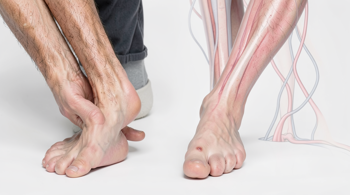
Color changes may include paleness or another noticeable difference between limbs. The CDC lists smooth, shiny skin, hair loss, cool skin, and cold or numb toes among physical signs that may indicate PAD. Because other disorders can mimic PAD symptoms, visual changes should be interpreted with medical history, examination, and appropriate circulation testing rather than used as a diagnosis on their own. 6
Slow-healing sores and less obvious symptoms
A blister, cut, or sore on the toe, foot, or leg that heals slowly or does not heal can signal inadequate blood flow. Nonhealing ulcers are more concerning than isolated cosmetic changes because damaged tissue may not receive enough oxygen and nutrients for repair. PAD can also cause pain at rest or during the night when disease becomes more advanced. 1
Some people with PAD have no leg pain at all. The CDC states that up to four in 10 people with PAD have no leg pain, while other sources note that many people have mild or absent symptoms in earlier stages. Lack of pain therefore does not exclude PAD, particularly when a person has cold feet, weak pulses, skin changes, or a persistent wound. 6
Risk context and when evaluation matters
Smoking and diabetes are described by the American Heart Association as the two overwhelmingly dominant risk factors for PAD. Other reported risks include high blood pressure, high cholesterol, kidney disease, obesity, physical inactivity, family history of cardiovascular disease, and older age. Risk becomes more relevant when it occurs alongside recurring exertional leg symptoms or changes in the feet. 5
Sudden severe leg pain accompanied by coldness, paleness, numbness, or weakness requires emergency medical evaluation because it may indicate an acute loss of blood flow. Gradually worsening walking pain, rest pain, weak pulses, color changes, or a nonhealing sore also warrant professional assessment. Clinicians may distinguish PAD from arthritis, nerve disorders, muscle problems, and other conditions that can produce similar symptoms. 9
How symptoms are interpreted
Symptoms alone cannot confirm PAD. A clinician considers the location, timing, and reproducibility of discomfort, compares both limbs, examines skin and wounds, and checks pulses. The pattern of pain beginning with activity and stopping with rest is particularly informative, but symptoms can vary according to which artery is narrowed and how extensively blood flow is restricted. 4
Early recognition matters because PAD is treatable and management can reduce symptoms, limit progression, and help prevent complications. Reported approaches include exercise, healthy eating, avoiding tobacco, medicines, structured exercise therapy, and procedures when necessary. The appropriate plan depends on symptom severity, circulation findings, other health conditions, and whether tissue is threatened. 2
Sources
- 1. Mayo Clinic, Peripheral artery disease: Symptoms and causes
- 2. Cleveland Clinic, Peripheral Artery Disease
- 3. Harvard Health, Peripheral Arterial Disease
- 4. Yale Medicine, Peripheral Artery Disease
- 5. American Heart Association, Warning signs of PAD
- 6. Centers for Disease Control and Prevention, About Peripheral Arterial Disease
- 7. Johns Hopkins Medicine, Peripheral Vascular Disease
- 9. National Heart, Lung, and Blood Institute, PAD symptoms
Authored by MyTrendSpot team