Warning signs of endometriosis: Clinical insights and diagnostic considerations
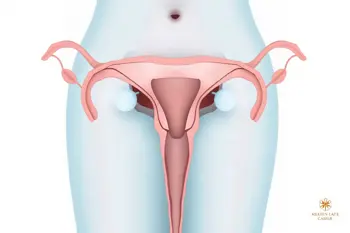
Endometriosis is a complex, chronic condition that impacts approximately 10% of reproductive-age women, accounting for roughly 190 million individuals worldwide 1. The disease is defined by the presence of tissue resembling the uterine lining, known as the endometrium, growing in locations outside the uterus, such as the ovaries, fallopian tubes, and pelvic peritoneum 2, 9. While common, the condition is frequently mischaracterized, and many individuals struggle with diagnostic delays that can persist for years 7, 8.
Defining the Primary Clinical Symptoms
The clinical presentation of endometriosis is often categorized by a triad of symptoms: dysmenorrhea, dyspareunia, and infertility 2. Dysmenorrhea refers to severe menstrual cramping that often begins before the period and persists throughout the cycle, frequently described as more intense than typical menstrual discomfort 3, 5. Chronic pelvic pain, which may occur independently of the menstrual cycle, is another hallmark indicator 1, 10. This pain can manifest as a dull ache, throbbing sensation, or sharp, stabbing pain in the abdomen and lower back 5, 11.
Pain during or after sexual intercourse, known as dyspareunia, is frequently reported and often serves as a key point in clinical diagnostic discussions 2, 12. Because this pain is often deep and systemic, it can significantly impact an individual's quality of life and mental health, including the potential for anxiety and depression 1, 8. Recognizing these symptoms early is critical for initiating effective management strategies 5, 9.
Gastrointestinal and Urinary Manifestations
Endometriosis lesions can extend to the bowel, bladder, and rectovaginal septum, leading to symptoms that mimic other gastrointestinal disorders 2. Many individuals report painful bowel movements or urination, particularly during menstruation, which serves as a clinical red flag for disease presence in these specific areas 1, 6, 13. These issues are often accompanied by abdominal bloating, nausea, diarrhea, or constipation 3, 16.
Because these symptoms overlap with common digestive conditions, they are frequently misidentified, leading to further delays in obtaining an accurate diagnosis 8. Monitoring the timing of these symptoms, especially their correlation with the menstrual cycle, can provide vital data for healthcare providers during clinical assessments 8. Patients are encouraged to track patterns of pain and physical discomfort to better inform their clinical consultations 8.
Systemic Indicators and Infertility
Beyond localized pelvic pain, systemic symptoms such as chronic fatigue are frequently cited by patients and often impact daily functional capacity 6, 15. Additionally, menstrual irregularities, including heavy or prolonged bleeding, are common warning signs that warrant professional investigation 1, 8. For many, the first realization that a clinical issue exists comes during the process of seeking evaluation for infertility 6, 7.
Research indicates that approximately 30% to 50% of women with endometriosis experience infertility, making it one of the most significant long-term complications of the disease 14. While the exact mechanism linking the two is still being studied, the inflammation caused by ectopic tissue is thought to play a role in fertility challenges 1, 9. Addressing these symptoms early is fundamental to preserving reproductive health and minimizing the risk of long-term scarring and tissue damage 5, 9.
Challenges in Clinical Diagnosis
A primary challenge in diagnosing endometriosis is that the severity of physical pain reported by the patient does not always correlate with the stage of the disease as visualized via imaging techniques 2, 17. Imaging tools, such as transvaginal ultrasound or MRI, are used to support clinical findings, but they may not detect all forms of the condition 2. Consequently, the diagnosis remains largely clinical, relying on a comprehensive review of symptoms and physical examinations 2, 6.
In some cases, surgical procedures like laparoscopy are utilized for direct visualization and potential biopsy to confirm the diagnosis, although this is not always mandatory for beginning treatment protocols 2. Recent clinical guidance from organizations such as the American College of Obstetricians and Gynecologists (ACOG) emphasizes the importance of shortening the time to diagnosis to improve patient access to appropriate care and support 4, 9.
Treatment Aims and Management
Because there is currently no known cure for endometriosis, management strategies focus on controlling symptoms and limiting the long-term impact on the patient’s body 1, 8. Common treatments include nonsteroidal anti-inflammatory drugs (NSAIDs) for pain management and various hormone-based therapies intended to suppress ovarian function and reduce the growth of endometrial-like tissue 2, 6. Surgical interventions such as ablation or excision of implants may also be recommended depending on the severity of the disease and individual fertility goals 2, 6.
Managing the condition effectively requires a multi-faceted approach, often involving a team of gynecological specialists 4. Because endometriosis is a chronic disease, regular monitoring and adjustments to treatment plans are often necessary as symptoms may recur even after initial therapies 1, 2. Access to clinical care and patient education remains a focal point for improving the outcomes for individuals living with this condition 9.
When to Seek Professional Consultation
Clinical experts advise that any pelvic pain that is new, worsening, or significantly impacts daily quality of life necessitates a professional evaluation 6. This is especially relevant if pain is accompanied by symptoms such as heavy bleeding, bowel or bladder discomfort, or difficulty conceiving 6, 9. While common, persistent menstrual pain should not be considered normal or something to be endured without medical oversight 9.
The goal of seeking medical advice is to move beyond the assumption that symptoms are merely part of the menstrual cycle and to investigate potential underlying causes like endometriosis 9. By providing a detailed medical history and documenting symptom patterns, patients can work more effectively with their healthcare providers to develop an evidence-based management plan that addresses their unique clinical needs 4, 8.
Sources
- World Health Organization: Endometriosis Fact Sheet
- Merck Manual: Endometriosis Overview
- Cleveland Clinic: What Does Endometriosis Feel Like?
- ACOG: Clinical Practice Guideline on Diagnosis of Endometriosis
- nib: Endometriosis 101: Signs and Symptoms
- Acibadem Hospitals Group: Endometriosis Symptoms Explained
- TODAY.com: 5 Endometriosis Symptoms A Doctor Monitors In Herself
- UnitedHealthcare: Understanding Endometriosis Symptoms and Causes
- Hindustan Times: Gynaecologist Perspective on Endometriosis Symptoms
- Planned Parenthood: Endometriosis Information
- Healthline: Back Pain and Endometriosis
- Cleveland Clinic: Understanding Endometriosis
- Johns Hopkins Medicine: Endometriosis Symptoms
- American Society for Reproductive Medicine: Infertility and Endometriosis
- National Institutes of Health: Endometriosis Condition Info
- Office on Women's Health: Endometriosis Symptoms
- Endometriosis Foundation of America: Disease Stages and Pain
Authored by MyTrendSpot team