How to Find Local Police Seizure Auctions: A Reporter's Field Guide to Government Asset Sales
Thousands of people search for information on how to find local police seizure auctions each year, drawn by documented examples such as a confiscated 2021 Lamborghini Urus sold in Phoenix, Arizona, a 2008 Lamborghini Gallardo Spyder classified as an abandoned vehicle in Salem, Oregon, and a lot of 7,656 bottles of confiscated liquor sold in West Columbia, South Carolina. 1 These are not outliers. The federal government alone cycles hundreds of auctions per year through private contractors and online platforms, while local police departments contribute thousands more events annually. 2 Understanding how to navigate this system requires knowing which channels to consult at each level of government.
How Property Ends Up at a Seizure Auction
Property arrives at a police seizure auction through several distinct legal pathways. Law enforcement agencies regularly come into possession of items during criminal investigations, traffic stops, and drug enforcement operations, with some property forfeited to the government through civil forfeiture proceedings. 3 Other items are simply lost, stolen, or abandoned and never reclaimed by their rightful owners within the legally required window. Once a vehicle is towed to a secured municipal lot or a private impound facility contracted by the city, the owner is typically given a specific grace period to pay outstanding fines and reclaim the property before the forfeiture process formally begins. 4
When a vehicle involves suspected federal violations, the U.S. Marshals Service takes custody and holds the asset in a secure facility until a court issues a forfeiture order. 5 At that stage the asset is classified as surplus property and frequently transferred to the General Services Administration for public sale. For locally seized or abandoned property, the process stays within the municipal or county agency, which then either organizes an in-house auction or contracts with a third-party auction platform. Proceeds are typically returned to city or county budgets, and in some jurisdictions a portion is allocated back to the law enforcement division that conducted the seizure.
The Three Levels of Government and Where Each Publishes Listings
Police seizure auctions operate at three distinct levels, each using different channels to reach potential buyers. Local and county auctions are the most common category. Municipal police departments and county sheriff's offices sell unclaimed stolen property, abandoned vehicles, and items no longer needed as evidence, often hiring third-party online platforms to run the sales, though some still hold in-person events at impound lots. 2 Legal notices in local newspapers historically announced upcoming sales, and many departments still post announcements on their official websites alongside social media pages. The Kimble County Sheriff's Office in Texas, for example, advertised a public auction of abandoned and seized vehicles directly through a Facebook post, with a minimum bid of $250 per vehicle and cash-only terms. 6
State-level auctions consolidate surplus and seized property from multiple agencies into larger events, often held quarterly at centralized locations or through state-run auction websites. At the federal level, the General Services Administration manages GSAFleet.gov for fleet vehicles and gsaauctions.gov for other surplus and seized federal property. Since January 2026, retired federal fleet vehicles from agencies including the DEA, USDA, Forest Service, and Department of Justice have been auctioned through weekly nationwide auctions operated by IAA, with roughly 30,000 to 40,000 such vehicles reaching the public each year. 7
Major Online Platforms That Aggregate Police Auction Listings
Rather than checking each agency individually, most researchers start with centralized auction platforms that aggregate listings from dozens or hundreds of jurisdictions. GovDeals is among the most widely referenced for state and local government sales, functioning in a manner described by the Post and Courier as essentially the government version of eBay, where civilians can browse law enforcement equipment and seized property from jurisdictions across the country, with some agencies even assisting with shipping costs on smaller items. 8 Public Surplus is another platform that hosts online auctions for government agencies and may include seized or surplus property from public entities. 9
For vehicle-specific searches, Copart and IAA are major platforms specializing in police and salvage vehicle auctions with online bidding available to registered users. 10 Maryland, for example, has no single statewide auction site, so different agencies use GovDeals, PropertyRoom, and Copart, with a handful of agencies using Public Surplus or specialized contractors, making a multi-platform search necessary for comprehensive coverage. 3 AuctionZip functions as a directory that can help locate local auctions including many government-related sales by filtering by geographic location. 11
What Inventory Typically Appears at These Auctions
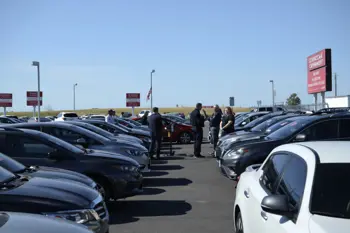
The range of inventory is broader than most buyers anticipate. Seized vehicles make up the largest share at most local auctions. The Kansas City Police impound tow lot, which runs bi-weekly online auctions at 7750 E Front St, listed 502 vehicles in a single October 2025 auction cycle, including 276 cars, 116 SUVs, 52 trucks, 33 vans, 12 motorcycles, and 3 trailers. 12 Norfolk, Virginia's police auction in August 2026 was projected to include 87 or more cars, trucks, vans, and motorcycles from manufacturers including Toyota, BMW, Chevrolet, Mazda, Nissan, Ford, GMC, Acura, Mercedes, Honda, and Cadillac. 13 Beyond vehicles, seizure auctions regularly include electronics, jewelry, tools, farm equipment, construction equipment, ATVs, generators, and law enforcement equipment such as tasers and surveillance drones. 8
The San Antonio Police Department's Legal Asset Seizure Detail hosted a public in-person auction at VFW Post 9186 with doors opening at 5:30 p.m. for registration and bidding starting at 6:30 p.m., accepting cash or credit card for same-day payment and removal. 14 The Spokane Police Department publishes its auction lists directly on its city website and links to a third-party auctioneer's website for upcoming sale dates. 15 These examples illustrate that no single discovery method covers every jurisdiction.
Registration Requirements and Buyer Obligations
Participation in police seizure auctions is generally open to the public but almost always requires pre-registration and a financial deposit. The Kansas City tow lot auctions, conducted by OAI Auctions, require a $300 deposit charged at registration, a 10% buyer's premium added to the winning bid, and a $25 per lot administrative fee, with payment due the day after the auction closes via cash or wire transfer, and a $30 per day storage fee applied to vehicles not removed by the Saturday following the sale. 12 Powell Auction and Realty in Knoxville, Tennessee applies a 15% buyer's premium with sales tax added to all items, and vehicle titles are typically ready 10 to 14 days after the auction. 16
For federal GSA fleet auctions through IAA, buyers need both a free IAA account and a GSA bidder number pre-registered through GSAFleet.gov, with no buyer's premium and no registration fee. 7 Across most platforms, government-issued photo identification is required, and some auction houses require proof of funds or a cashier's check to qualify as an active bidder. Winners are expected to provide payment quickly, usually via cashier's check or electronic transfer, to avoid forfeiture of the asset and a permanent ban from future auctions. 5
Critical Risks and Limitations Buyers Should Understand
Police seizure auctions operate strictly on an as-is, where-is basis, which is the most important structural reality any prospective buyer must internalize. No warranties are provided, refunds are rare, and the title situation on vehicles can become complicated depending on the jurisdiction and seizure type. 2 Kansas City's auction terms explicitly state that most impounded vehicles do not have keys, buyers will not know whether a vehicle runs until after purchase, and bids may not be retracted for any reason once placed. 12 Vehicle listings for impounded property typically include minimal information about the vehicle's history, condition, or maintenance records, unlike traditional used car listings. 4
Title transfer is another friction point that buyers frequently underestimate. Some impound lot auctions do not issue titles directly; instead, the municipality mails the title separately, a process that may take weeks and involve additional steps at the local tax office or motor vehicle agency. 12 Buyers are generally advised to verify whether a vehicle has outstanding liens before bidding, as the legal title clearance process varies by state. The Kimble County Sheriff's Office noted that auction purchasers take clear title free of all liens only after application is made at the county Tax Office, and proceeds from the sale are held for 90 days for the original owner or lien holder to claim. 6 These procedural and legal realities warrant careful review of all published terms before any bid is submitted.
Sources
- GovDeals Blog - Where to Find Police Auctions Near Me (blog.govdeals.com)
- LegalClarity - Police Auctions: How They Work and How to Buy (legalclarity.org)
- LegalClarity - Maryland Seized Property Auctions: What's Sold and Where (legalclarity.org)
- Wondermapped - Key Points About Seized Vehicles You Might Not Have Considered (wondermapped.com)
- JPost / MentalFloss - Acquiring Cargo Vans Through Police Impound Auctions: A Complete Guide (search.jpost.com)
- Yahoo News / Concho Valley Homepage - Kimble County Sheriff's Office to Hold Auction for Abandoned, Seized Vehicles (yahoo.com)
- GovAuctions.app - Government Car Auctions Near Me: How to Find and Buy (govauctions.app)
- Post and Courier - Need a Gift Idea? Police Auctions Yield Interesting Items (postandcourier.com)
- Public Surplus - Official Auction Platform for Government Agencies (publicsurplus.com)
- IAA - Insurance Auto Auctions, Official Platform (iaai.com)
- AuctionZip - Auction Directory for Local and Government Sales (auctionzip.com)
- OAI Auctions / Woolsey Auction - Kansas City Police Tow Lot Auction Terms (bids.oaikc.com / woolseyauction.com)
- Auction757 - Norfolk Police Auction August 13, 2026 (auction757.com)
- KENS5 - Police-Seized Items Up for Grabs at San Antonio Auction (kens5.com)
- City of Spokane, Washington - Recover Property / SPD Auction Listings (my.spokanecity.org)
- Powell Auction and Realty - Police Seizure Auction Terms and Information (powellauction.com)
Authored by MyTrendSpot team