Warning signs of celiac disease: An analytical overview of clinical symptoms and diagnostic indicators
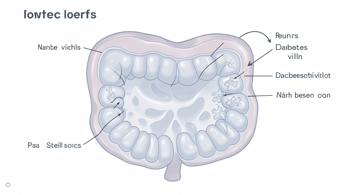
Celiac disease is a complex, chronic autoimmune disorder triggered by the ingestion of gluten, a protein naturally occurring in wheat, barley, and rye 3, 6. When individuals with this condition consume gluten, their immune system mounts an abnormal response that inflicts damage upon the lining of the small intestine, specifically targeting the villi-the tiny, finger-like structures responsible for nutrient absorption 5, 8. Because this damage impairs the body's ability to process essential vitamins, minerals, and proteins, the clinical presentation of celiac disease is broad and highly variable, often complicating the diagnostic process 1, 4.
Common Gastrointestinal Manifestations
The primary digestive symptoms associated with celiac disease typically arise from the malabsorption of nutrients and the resulting inflammation within the intestinal tract. These indicators are frequently observed in both children and adults, though they are often more pronounced in pediatric populations 1, 5. Common symptoms include chronic, often oily or foul-smelling diarrhea, persistent bloating, significant abdominal pain, and excessive gas 4, 5, 9. While some individuals may experience vomiting or persistent nausea, others might report chronic constipation, a symptom that is sometimes overlooked in clinical settings 5, 9.
It is important to note that the presence of these symptoms does not always indicate a uniform clinical picture. Because celiac disease is a systemic autoimmune condition, it can manifest with varying levels of severity. For some patients, gastrointestinal distress may be episodic, appearing in response to dietary triggers, while others may experience these symptoms more consistently 1. Furthermore, clinicians caution that digestive issues alone should not be the sole basis for clinical suspicion, as these non-specific complaints are frequently attributed to other, more common intestinal disorders, potentially delaying a proper assessment 3.
Extraintestinal Signs and Systemic Impact
Beyond the digestive tract, celiac disease frequently produces symptoms that affect various organ systems throughout the body. Because the underlying mechanism involves widespread malabsorption, many patients present with systemic indicators such as chronic fatigue or generalized weakness 1, 4, 8. Unexplained weight loss is also a common clinical marker, as the damaged small intestine fails to process the caloric and nutritional intake required to maintain body mass 4, 5. Furthermore, iron-deficiency anemia is a frequently reported complication, occurring when the body cannot adequately absorb iron, leading to low blood counts and associated symptoms of malaise 5, 9.
The disease's reach extends to dermatological and oral health as well. Dermatitis herpetiformis, an intensely itchy, blistering skin rash, is recognized as a specific hallmark symptom of underlying gluten sensitivity related to celiac disease 1, 9. Patients may also present with frequent canker sores, dry mouth, or a smooth, shiny tongue, which serves as a visible indicator of nutrient deficiency 1, 9. In more advanced or untreated cases, the long-term impact of malabsorption may manifest as joint or bone pain, often signaling potential risks to bone density, such as osteomalacia or osteoporosis 1, 9.
Pediatric Indicators and Developmental Challenges
Children face unique risks when affected by celiac disease, particularly during critical windows of growth and development. When the small intestine is unable to absorb necessary nutrients, children may exhibit a failure to thrive, which is characterized by weight gain falling below expected age-related percentiles 1, 4. Stunted growth or shorter height relative to peers is a primary concern for pediatricians evaluating for malabsorption disorders 1. Additionally, the condition can cause damage to the enamel of permanent teeth, a permanent developmental defect that can serve as a long-term indicator of nutritional issues during early childhood 1.
Behavioral and reproductive indicators are also significant in younger patients. Children with undiagnosed celiac disease may experience notable mood changes, such as increased irritability, annoyance, or impatience, which may be exacerbated by systemic physical discomfort 1. As these children approach adolescence, the disease can lead to delayed puberty, including a late onset of menstrual periods in girls 1. These developmental signs are crucial diagnostic flags that require medical evaluation, as they represent the body's reaction to prolonged nutritional deficiency and systemic inflammation 1.
Neurological and Reproductive Manifestations
The neurological impact of untreated celiac disease is well-documented in clinical literature. Patients may report persistent headaches, balance issues, or seizures in rare instances 1, 9. Peripheral neuropathy, which involves numbness, tingling, or weakness in the extremities, is another potential consequence of the systemic autoimmune response triggered by gluten consumption 1. These symptoms underscore the importance of recognizing the disease as more than a simple digestive issue, as it possesses the potential to affect the peripheral and central nervous systems 8.
For women and girls, the systemic effects may extend to reproductive health. Clinical data suggests that celiac disease can be associated with infertility, repeated miscarriages, and irregular menstrual cycles 1, 9. Men may also experience issues related to fertility as a result of overall nutritional status. These reproductive challenges highlight why it is vital for clinical assessments of chronic unexplained reproductive issues to include screening for celiac disease, particularly if there is a family history or evidence of concurrent autoimmune conditions 5, 8.
Variability in Clinical Presentation
One of the most challenging aspects of celiac disease is that many individuals remain asymptomatic or subclinical, meaning they possess positive antibodies or histological damage without experiencing the classic outward signs of the disease 8. The following table outlines the diverse forms of the condition based on the Oslo classification, which helps researchers and clinicians categorize patient experiences based on laboratory values and clinical findings.
| Form | Clinical Characteristics |
|---|---|
| Classic | Overt signs of malabsorption |
| Symptomatic | Non-specific gastrointestinal or extraintestinal symptoms |
| Subclinical | No clinical symptoms, but abnormal labs or improvement on diet |
| Potential | No or minimal specific symptoms; positive antibodies |
| Refractory | Persistent symptoms despite strict gluten-free diet |
As indicated in the classification, the lack of symptoms does not preclude the existence of the disease. Potential celiac disease may present with minimal or no observable manifestations, yet these individuals still carry the genetic predisposition and autoimmune trigger that can lead to intestinal damage 8. This diversity in presentation explains why reliance on symptoms alone can be misleading and why objective testing, typically performed while the patient is still consuming gluten, remains the gold standard for reaching an accurate diagnosis 8.
Diagnostic Considerations and Management
Because no single clinical sign can definitively confirm celiac disease, a multifaceted approach to diagnosis is necessary. Testing usually involves serological markers and, in many cases, a biopsy to evaluate the degree of villous atrophy present in the small intestine 8. It is essential that patients continue to consume gluten until testing is complete, as an early transition to a gluten-free diet can cause results to appear falsely negative or inconclusive 8. Once a diagnosis is confirmed, the primary management strategy involves a strict, lifelong adherence to a gluten-free diet, which typically allows the small intestine to heal and symptoms to subside 1, 4.
Maintenance of this diet requires vigilant attention, as even trace amounts of gluten from cross-contact or hidden sources-such as those found in processed foods, certain medications, or even religious wafers-can perpetuate intestinal damage and trigger a return of symptoms 1, 6, 7. Long-term follow-up care is generally recommended to monitor for the correction of nutrient deficiencies, assess healing, and ensure the safety of the long-term dietary approach. Through diligent adherence to medical guidance, individuals are typically able to manage the condition effectively and prevent further systemic complications 5, 8.
Sources
- National Institute of Diabetes and Digestive and Kidney Diseases: Symptoms & Causes of Celiac Disease
- Coeliac UK: Coeliac Disease Symptoms, Causes, and Diagnosis
- Harvard Health: Celiac Disease (Non-Tropical Sprue)
- MSD Manual Consumer Version: Quick Facts - Celiac Disease
- Penn Medicine: Celiac Disease Symptoms and Causes
- National Institute of Diabetes and Digestive and Kidney Diseases: Definition & Facts for Celiac Disease
- Harvard Health: When Celiac Disease Strikes Later in Life
- Acibadem Hospitals Group: Celiac Disease Symptoms, Testing, and Lifelong Care
- Dr. Schär Institute: Celiac Disease Symptoms
Authored by MyTrendSpot team