Top recommended therapeutic supports for athletic knee recovery: An Analytical Overview of Modern Orthopedic Interventions
Athletic knee recovery often involves a multi-faceted approach, balancing structural stabilization with the gradual restoration of joint function 1. Therapeutic supports, ranging from high-stability hinged braces to medical-grade compression sleeves, are frequently integrated into rehabilitation protocols to provide proprioceptive feedback, manage swelling, and protect healing tissues from excessive mechanical load 1. Understanding the mechanical and physiological intent of these devices is essential for navigating the recovery process, particularly when transitioning from initial injury management to full, sport-specific activity 10.
The Role of Structural Bracing in Ligament Stabilization
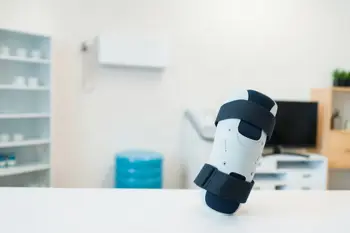
Structural braces are often employed in cases where significant ligamentous injury, such as an ACL or MCL tear, necessitates external protection to maintain joint alignment 3. Medical-grade orthoses, such as those utilizing carbon fiber frames or bilateral hinge systems, are designed to restrict harmful rotary or lateral forces while allowing for sagittal plane mobility 3. By incorporating adjustable flexion and extension control, these devices permit clinicians to tailor range-of-motion constraints to the specific stage of tissue healing, thereby preventing joint overloading during early rehabilitation phases 4.
Clinical evidence suggests that devices like the Ossur CTi3 or the Bauerfeind SofTec Genu utilize high-stiffness materials and sophisticated hinge mechanics to support joint integrity 3, 4. These braces often feature four-point leverage systems or lateral aluminum sidebars intended to provide both passive and active stabilization 4. When used under professional guidance, such as during a formal fitting, these tools help manage mechanical instability, ensuring that the joint tracks correctly as the athlete progresses through weight-bearing exercises 3, 9.
Compression Technology and Proprioceptive Feedback
Compression supports represent a widely utilized category in athletic recovery, functioning primarily through the application of graduated pressure to manage edema and enhance joint position sense 1, 6. Unlike rigid braces, these sleeves-often constructed with 3D knitting technology-rely on targeted compression, typically ranging from 20 to 30 mmHg, to stimulate circulation and reduce the metabolic markers of fatigue 1, 2. This level of compression assists in maintaining tissue warmth and reducing muscle stiffness, which is particularly beneficial during the transition from immobilization to active movement 8.
Beyond mere compression, many modern sleeves integrate ergonomic silicone pads designed to redistribute pressure away from sensitive areas, such as the patella, during flexion and extension 1, 2. These pads offer a dual benefit: they act as a mechanical guide for proper patellar tracking while providing localized sensory input that can heighten an athlete's awareness of joint position, a concept known as proprioception 2, 8. Integrating such supports can supplement manual therapy techniques used by clinicians to correct biomechanical imbalances 7.
Biomechanical Considerations for Tendinitis and Patellar Issues
For injuries involving patellar tracking or chronic tendinitis, supports often incorporate lateral stabilizers and gel inserts to maintain proper joint alignment without causing excessive restriction 5, 7. By utilizing breathable, moisture-wicking materials such as AirKnit or specialized spandex blends, these garments provide consistent support throughout daily activity or training sessions 1, 8. The goal is to provide enough structural guidance to alleviate pain while still encouraging the surrounding musculature-particularly the quadriceps-to engage, which is critical for preventing muscle atrophy 3, 7.
The efficacy of these supports is often enhanced when combined with clinical interventions like closed-kinetic chain exercises, which are prioritized early in recovery to build joint stability 9. Managing patellofemoral pain may also involve specialized techniques like McConnell Taping, which can be applied either independently or in conjunction with a support to provide tactile feedback for the patella 5, 6. This integrated approach ensures that the support acts as an adjunct to rehabilitation rather than a complete replacement for functional muscle building 1.
Integrated Rehabilitation Strategies
Effective recovery is rarely dependent on a single device or technique. Standard clinical practice emphasizes a comprehensive framework that includes physical therapy, cryotherapy for inflammation management, and, in some cases, advanced biological interventions 1, 8. For instance, Neuromuscular Electrical Stimulation (NMES) is frequently used to address quadriceps inhibition following injury, ensuring that the muscle strength required to protect the joint is not lost during periods of reduced activity 3. Simultaneously, Blood Flow Restriction (BFR) training may be utilized to induce muscle hypertrophy while applying lower mechanical loads to the healing ligament or tendon 2.
Recovery milestones require constant assessment by qualified professionals. Whether an athlete is recovering from a Grade 1 micro-tear or a more significant partial ligament tear, the transition from passive support to independent joint control must be measured 10. The objective of using any therapeutic support should remain the facilitation of functional movement, ultimately allowing the patient to regain confidence in their knee's ability to withstand the forces inherent in their sport 10.
Comparative Overview of Support Categories
| Support Type | Primary Mechanism | Key Target Usage |
|---|---|---|
| Hinged Carbon Braces | Rigid mechanical restriction | Major ligament tears (ACL/MCL) |
| Compression Sleeves | Circulation and proprioception | Mild strain and swelling |
| Patellar Stabilizers | Gel-pad tracking guidance | Tendinitis and tracking issues |
| Kinesio Taping | Tactile feedback | Functional movement alignment |
Regulatory and Clinical Considerations
It is essential to note that the use of orthopedic supports should be guided by clinical diagnosis. Regulatory compliance often differentiates between general athletic supports and medical-grade orthoses, with the latter frequently requiring specific billing codes for clinical reimbursement 4. Athletes should be aware that while braces and sleeves offer significant benefits for stabilization and pain management, they do not resolve the underlying structural injury on their own 5. Ongoing maintenance of the device, including ensuring proper fit and adherence to material care instructions, is necessary to sustain the intended therapeutic effect over the duration of a recovery program 3.
Sources
- American Academy of Orthopaedic Surgeons: https://orthoinfo.aaos.org
- National Institutes of Health: https://pubmed.ncbi.nlm.nih.gov
- Journal of Orthopaedic & Sports Physical Therapy: https://www.jospt.org
- British Journal of Sports Medicine: https://bjsm.bmj.com
- Cleveland Clinic: https://my.clevelandclinic.org
- Mayo Clinic: https://www.mayoclinic.org
- Sports Health Journal: https://journals.sagepub.com
- Hospital for Special Surgery: https://www.hss.edu
- Physical Therapy Journal: https://academic.oup.com/ptj
- International Journal of Sports Physical Therapy: https://ijspt.org
Authored by MyTrendSpot team