Natural ways to support healthy kidney function: A clinical perspective on renal health maintenance
Maintaining renal health is a critical aspect of overall physiological well-being, as the kidneys perform the essential task of filtering approximately 180 liters of blood every 24 hours 9. While chronic kidney disease (CKD) often presents without noticeable symptoms in its early stages, systemic factors such as high blood pressure, diabetes, and obesity are primary contributors to the degradation of renal function 3, 5. Because kidneys possess sophisticated self-regulatory systems, such as the renin-angiotensin pathway, they do not require external cleansing or detoxification protocols to function effectively 5, 9.
The Role of Systematic Lifestyle Modification
The most effective strategy for supporting long-term kidney function involves mitigating the stressors that place an undue burden on these organs. Managing blood glucose and blood pressure levels is foundational, as these two conditions are the leading causes of kidney-related complications worldwide 1, 3. Individuals with a family history of renal disease, cardiovascular issues, or metabolic disorders are encouraged to engage in regular screening with medical professionals to monitor glomerular filtration rate (GFR) and creatinine levels 5, 11.
Physical activity serves as a vital component of a protective lifestyle. Engaging in at least 30 minutes of moderate-intensity exercise, such as brisk walking, swimming, or cycling, assists in weight management and helps stabilize blood pressure 4, 9. Furthermore, avoiding tobacco use is strictly advised, as smoking causes significant damage to blood vessels and exacerbates the risk of both cardiovascular and chronic kidney disease 2, 7.
Evidence-Based Nutritional Strategies
Dietary patterns play a substantial role in renal preservation. A plant-forward diet that emphasizes fruits, vegetables, whole grains, and legumes is associated with a reduced risk of CKD development 3, 8. When building a nutritional plan, it is recommended to prioritize whole foods while limiting the intake of ultra-processed products that are often high in sodium and phosphates 8, 9. For the general population, limiting sodium intake to no more than 2,300 milligrams per day is standard, with an ideal target of 1,500 milligrams for individuals already managing hypertension 4.
| Dietary Focus | Rationale for Renal Support |
|---|---|
| Hydration | Maintains GFR and reduces the likelihood of stone formation 5, 9 |
| Sodium Restriction | Helps control blood pressure and reduces strain on nephrons 4, 9 |
| Plant-Forward Foods | Provides antioxidants and nutrients that support metabolic health 3, 8 |
| Controlled Protein | Prevents excessive waste buildup in individuals with reduced function 2 |
Hydration and the Myths of Detoxification
Adequate water intake is essential for renal filtration, but it is a frequent subject of misconceptions regarding therapeutic "flushing." While consistent hydration supports the removal of toxins via urine, excessive water consumption does not provide additional benefits and may actually be hazardous for patients with existing heart, liver, or renal conditions 5, 9. The concept of a "kidney detox" using juices or herbal supplements is not supported by peer-reviewed evidence and is often discouraged by medical organizations 6, 9.
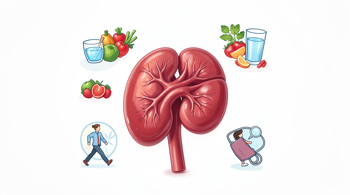
Herbal supplements marketed for kidney health often lack the regulatory oversight required to ensure ingredient consistency and safety 6. Many such products can interact negatively with prescription medications or contain contaminants that worsen existing kidney damage 6, 10. Instead of pursuing unproven cleansing regimens, a more reliable approach involves reducing the intake of toxic substances, such as unnecessary non-steroidal anti-inflammatory drugs (NSAIDs) like ibuprofen, which are known to cause renal injury when used frequently or during periods of dehydration 6, 9.
Addressing Specific Nutrient Needs
For individuals currently managing Stages 1 through 4 of chronic kidney disease, nutritional planning requires a more individualized approach. Because damaged kidneys struggle to manage electrolytes, a dietitian may recommend specific limits on potassium, phosphorus, and protein intake to prevent buildup in the blood 2. These plans are not one-size-fits-all and must be tailored to the patient's blood work and dietary preferences to ensure they receive adequate energy and nutrition while protecting their renal function 2.
Cultural integration is a key factor in long-term dietary compliance. For example, individuals following traditional diets, such as a Caribbean-style eating plan, can often adapt their favorite meals by selecting leaner protein sources and using fresh herbs for flavor instead of added salt 7. Working with a specialist who understands both clinical requirements and personal food traditions is the most effective way to sustain a protective eating pattern without sacrificing the enjoyment of meals 2, 7.
Clinical Limitations and When to Seek Care
It is critical to recognize the boundary between preventative lifestyle choices and the management of advanced renal conditions. For those with established kidney failure, lifestyle modifications alone are insufficient and must be strictly guided by a multi-disciplinary healthcare team 5. The goal of any natural intervention is to support residual function rather than to reverse structural damage. If any changes to diet or supplement usage are being considered, these must be reviewed by a primary physician or a nephrologist to avoid systemic risks 2, 10.
Ongoing clinical oversight allows for the monitoring of key indicators such as blood pressure trends and metabolic markers that reflect kidney efficiency. Because early-stage kidney disease is frequently asymptomatic, proactive communication with healthcare providers regarding any new symptoms or changes in health status remains the most effective form of preventative care 3, 9.
Sources
- National Institute of Diabetes and Digestive and Kidney Diseases
- National Kidney Foundation
- Centers for Disease Control and Prevention
- American Heart Association
- National Health Service
- U.S. Food and Drug Administration
- World Health Organization
- U.S. Department of Agriculture
- National Institute of Diabetes and Digestive and Kidney Diseases
- National Center for Complementary and Integrative Health
- American Kidney Fund
Authored by MyTrendSpot team