Police impound SUVs for sale in local auctions: An Analysis of Municipal Liquidation Processes
Municipal authorities and law enforcement agencies frequently manage the liquidation of vehicles through public auction processes, often including SUVs that have been abandoned, seized during investigations, or retired from departmental service 1, 4. These auctions serve as a mechanism to clear police impound lots while recouping administrative costs related to vehicle storage and processing 6, 8. Understanding the structure and regulatory environment of these sales is essential for participants looking to navigate the transition of government property into the private sector 7, 10.
Understanding the Origins of Impounded SUVs
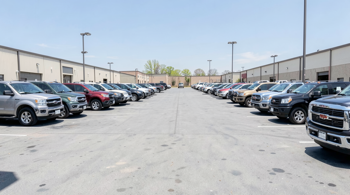
Vehicles featured in police impound auctions enter the municipal system through diverse channels. Some units are classified as abandoned property that remained unclaimed after a specific holding period, while others arrive following traffic accidents where insurance companies have relinquished interest in the asset 2, 4. Additionally, police departments regularly auction off retired fleet vehicles, such as Ford Explorer Police Interceptor SUVs, which have reached the end of their standard service life and are being replaced by newer models 2.
The inventory composition at these sales can vary significantly, ranging from late-model vehicles to those strictly intended for parts recovery 1, 9. Because these vehicles are frequently sourced from impound lots, they often present unique logistical challenges, including a lack of service records or missing keys 1, 3. Potential participants are typically provided with limited information, and departments rarely guarantee that vehicles are in operating condition, necessitating a cautious approach to valuation and bidding 3, 7.
The Transition to Online Auction Platforms
Modern law enforcement agencies have increasingly shifted away from live, in-person bidding toward digital auction platforms to facilitate broader participation and streamline inventory clearance 4, 6. Platforms such as Purple Wave, OAI Auctions, and other specialized liquidation services manage the bidding process, providing digital walkthroughs and photographic documentation for prospective buyers 1, 2, 6. This move to online systems allows participants to monitor bidding cycles and submit offers from remote locations, though requirements for registration remain strict 4, 7.
Registration usually requires the submission of valid government-issued identification, and some jurisdictions implement financial barriers to entry, such as refundable security deposits, to ensure only qualified bidders participate 1, 3, 8. Once an account is established, users gain access to auction timelines, which typically include specific windows for closing bids. Failure to adhere to these timelines or a default on a winning bid often results in a permanent ban from future department auctions and the forfeiture of any initial deposits 3, 7.
Auction Terms and Financial Obligations
Transparency regarding fees and payment terms is a defining characteristic of municipal vehicle sales. In addition to the winning bid, buyers must often account for a buyer’s premium, commonly set at 10 percent of the final price, alongside various administrative fees per lot 1, 2. Payment structures are strictly enforced, with windows for remittance often closing within 24 hours of the auction’s conclusion, and methods of payment are usually limited to cash or wire transfers to avoid processing delays 1, 8.
| Requirement | Common Practice |
|---|---|
| Registration | Valid ID required; often includes deposit |
| Buyer Premium | Typically 10% on top of winning bid |
| Payment Window | Immediate to 3 days post-auction |
| Removal Terms | Strict pickup deadlines; potential daily storage fees |
Market friction points such as post-purchase storage fees are also common; if a buyer fails to remove the vehicle within the specified timeframe, daily charges may accrue 1, 8. Because all sales are final, the financial responsibility for transport, repairs, and potential titling complexities rests entirely with the purchaser 3, 5, 8.
Evaluating Vehicle Condition and Risks
A critical component of the police auction model is the caveat emptor, or buyer beware, principle. Vehicles are almost universally sold in an as-is condition, meaning no warranties are expressed or implied 3, 8. Participants must accept that the vehicle may suffer from significant mechanical failure, cosmetic damage, or electrical issues that are not immediately visible during a brief physical inspection 3, 5. Given that many vehicles are abandoned or seized, history reports are rarely available, and the absence of keys often precludes pre-bid performance testing 2, 3.
Departments generally offer windows for in-person inspection, which represent the only opportunity for buyers to verify the physical state of the vehicle 1, 4, 5. Utilizing these viewing days to conduct a thorough examination is the standard recommendation for minimizing risk. Without such due diligence, bidders may find that the cost of necessary repairs exceeds the value of the asset, particularly when factoring in the auxiliary costs of towing and title processing 3, 5.
Regulatory Oversight and Legal Compliance
Municipal auctions operate under the umbrella of state and local transportation codes, which mandate the manner in which unclaimed or surplus property is liquidated 8. These legal frameworks dictate the minimum duration a vehicle must remain in the impound lot before being eligible for public sale and establish the protocol for auction notices to ensure the process remains transparent and equitable 8. Agencies must meticulously document every sale to satisfy auditing requirements and ensure compliance with public record laws 6, 9.
While this oversight provides a measure of legitimacy to the auction process, it also means that the terms of the sale are non-negotiable. Agencies do not generally deviate from the established rules regarding bidding, payments, or vehicle removal, as these procedures are codified to protect the department from liability 3, 7. Participants who find themselves unable to comply with the strict terms risk legal complications or a permanent loss of access to future departmental sales 3, 7.
The Broader Ecosystem of Government Surplus
Beyond the local police impound lot, a wider network of government-led auctions exists for the disposal of municipal and federal assets. Many agencies leverage larger auction marketplaces to reach a national audience, which helps stabilize demand and ensures that surplus assets-including SUVs and trucks-are cleared efficiently 11, 12, 14. This broader ecosystem includes specialized portals that aggregate data from multiple jurisdictions, providing a centralized resource for those studying market trends in government-owned equipment 13, 15.
Understanding this broader context is vital for those comparing local impound options with state or federal surplus auctions. While local police auctions often focus on individual impounded units, federal auctions managed by the General Services Administration may focus on entire fleets, offering different implications for maintenance and historical wear 16. Regardless of the scale, the core principles of purchasing in an as-is state, the requirement for professional transportation, and the absence of warranties remain consistent across the government liquidation landscape 11, 17.
Sources
- Kansas City Police Auction (oaikc.com)
- Galesburg City Vehicle Auction Report (wgil.com)
- Kansas City Police Tow Lot Auction Terms (woolseyauction.com)
- Abilene Police Department Online Auction Report (myfoxzone.com)
- Suffolk Police Vehicle Auction Details (riverheadlocal.com)
- Louisville Metro Police Unclaimed Vehicle Auction (wdrb.com)
- Fowler Auction - Kansas City Police Tow Lot (fowlerauction.com)
- Dallas Police Auto Pound Auction (dallaspolice.net)
- LMPD Unclaimed Vehicle Auction Updates (wdrb.com)
- Kansas City Police Auction February (oaikc.com)
- GovDeals Asset Liquidation (govdeals.com)
- Public Surplus Municipal Marketplace (publicsurplus.com)
- PropertyRoom Seized Property Auctions (propertyroom.com)
- City of Los Angeles Surplus Portal (lacity.gov)
- Texas Facilities Commission Surplus (tfc.state.tx.us)
- GSA Auctions Federal Fleet (gsaauctions.gov)
- Consumer Reports: Buying Used Vehicles (consumerreports.org)
Authored by MyTrendSpot team