Warning signs of anemia: An analytical overview of clinical indicators and diagnostic considerations
Understanding the warning signs of anemia requires a focus on how the body manifests the consequences of oxygen deficiency in its tissues. Anemia occurs when there is a reduction in the number of healthy red blood cells or an insufficient level of hemoglobin, the protein responsible for transporting oxygen from the lungs throughout the body 1, 3. Because this oxygen transport is essential for nearly every physiological function, the symptoms are systemic rather than localized 5. While mild cases of anemia may present with few or no immediate symptoms, as hemoglobin levels decrease, the severity and frequency of these manifestations typically escalate 1, 4.
Common Clinical Manifestations
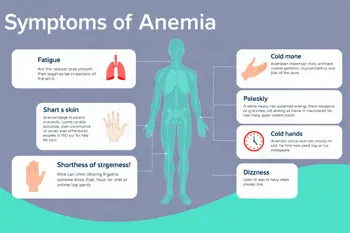
The most frequently reported signs of anemia include persistent tiredness, weakness, and a reduced capacity for physical exertion 1, 5. Because oxygen delivery to muscles and organs is compromised, individuals often experience shortness of breath during activities that would otherwise be manageable 5, 6. These symptoms often develop gradually, which can sometimes lead to an underestimation of their significance until they interfere with daily life or exercise tolerance 5, 6. Other common observations reported in clinical settings include headaches, lightheadedness, and varying degrees of dizziness 1, 5.
Physical markers can also serve as indicators of reduced oxygenation or hemoglobin levels. Pale or yellowish skin is a classic sign of anemia, though this symptom can be more difficult to observe in individuals with darker skin tones 1, 4. Furthermore, cardiovascular symptoms frequently arise as the heart works harder to pump sufficient oxygenated blood to the body, often resulting in a fast, pounding, or irregular heartbeat 1, 5. In more pronounced cases, individuals may report chest pain, which necessitates immediate medical evaluation to rule out acute cardiac involvement 1, 5.
Specific Indicators of Iron Deficiency
Iron deficiency anemia is among the most prevalent forms of the condition, often characterized by distinct indicators beyond general fatigue 7, 8. Cold hands and feet are commonly reported symptoms, as the reduced efficiency of oxygen transport affects peripheral circulation 1, 7. Dermatological and nail changes can also occur; brittle or spoon-shaped nails are frequently cited as clinical markers of prolonged iron deficiency 7. Additionally, some individuals may experience soreness or irritation of the tongue, which can be an overlooked physical symptom 7.
A unique phenomenon associated with severe iron deficiency is pica, which involves persistent cravings to consume non-nutritive substances 7. This may manifest as a desire to eat ice, clay, dirt, or even non-food items like rubber or detergent 7. While the exact biological mechanism driving pica remains a subject of research, its emergence is often clinically correlated with iron-depleted states 7. It is essential that such cravings are discussed with a healthcare professional, as they are not merely behavioral preferences but potential indicators of underlying nutritional deficiencies 7.
Diagnostic Considerations and Medical Evaluation
Anemia is not a stand-alone diagnosis; rather, it is a clinical marker signaling an underlying issue, such as inadequate iron intake, blood loss, chronic disease, or vitamin deficiency 5, 6. Because many of these symptoms are non-specific and can be masked by other conditions, laboratory testing is the standard method for confirmation 1, 5. A complete blood count is typically performed to measure hemoglobin levels and evaluate the size and structure of red blood cells, which assists clinicians in identifying the root cause of the condition 5, 6.
| Mechanism | Common Causes of Anemia |
|---|---|
| Blood Loss | Heavy menstruation, ulcers, gastrointestinal polyps, trauma |
| Reduced Production | Iron, B12, or folate deficiency, chronic disease, bone marrow issues |
| Increased Destruction | Autoimmune reactions, enlarged spleen, genetic blood disorders |
Individuals who consistently feel tired or experience unexplained shortness of breath should seek a medical evaluation rather than attempting to self-diagnose 1, 7. Medical history and diagnostic testing are critical to determine whether anemia is temporary or chronic, and whether it requires dietary adjustments, supplementation, or treatment of an underlying bleeding source 1, 6. Self-administration of iron supplements without medical oversight is discouraged, as excessive iron accumulation can lead to organ damage 7.
Addressing Underlying Causes
Treatment approaches for anemia are contingent upon identifying the specific cause, which is why accurate diagnostic screening is essential 6. In cases of iron deficiency, a professional assessment will determine if the root issue is insufficient dietary intake, malabsorption, or chronic blood loss 2, 8. When the condition is linked to vitamin deficiencies, such as B12 or folate, the body produces abnormally large red blood cells that fail to function effectively, necessitating targeted intervention to restore nutrient levels 4.
For some populations, specific risks elevate the likelihood of developing anemia. Individuals who have undergone significant surgeries, those with inflammatory bowel diseases, or those on restrictive diets require diligent monitoring to ensure hemoglobin levels remain within a healthy range 8. Furthermore, pregnancy increases the body's demand for iron and other nutrients, making routine blood work a standard part of prenatal care 8. By addressing the primary trigger-whether it be nutritional, inflammatory, or blood-related-the secondary symptoms of anemia typically begin to resolve 6.
Red Flags Requiring Immediate Attention
While many cases of anemia are managed through long-term adjustments, certain symptoms indicate a need for prompt or emergency medical care 5, 6. Severe breathlessness, persistent or intense chest pain, fainting episodes, and clear signs of significant bleeding represent red flags that should never be ignored 5, 6. These indicators suggest that the oxygen deprivation has reached a level that compromises cardiovascular or neurological function, requiring immediate clinical stabilization 6.
Ultimately, the objective of monitoring for anemia is to maintain physiological stability by ensuring blood can effectively oxygenate tissue. Persistent fatigue that does not improve with rest, combined with other systemic signs like headaches and dizziness, should be documented and presented to a healthcare provider 5. Because medical conditions can mask each other, a proactive approach to diagnosis remains the most effective strategy for managing the potential health risks associated with low hemoglobin levels 1.
Sources
- Mayo Clinic - Anemia Symptoms and Causes
- Harvard Health - Anemia Overview
- Merck Manual Consumer Version - Overview of Anemia
- Mayo Clinic - Vitamin Deficiency Anemia
- Acibadem Hospitals Group - Signs of Anemia Explained
- Acibadem Hospitals Group - Anemia Treatment and Care
- Mayo Clinic - Iron Deficiency Anemia
- American Society of Hematology - Iron-Deficiency Anemia
- Cleveland Clinic - 7 Signs of Iron Deficiency
Authored by MyTrendSpot team