Leading hospitals for Urology treatment: A comprehensive analysis of global clinical standards
Urology remains a critical medical specialty, focusing on the diagnosis, management, and treatment of conditions affecting the urinary tract and the male reproductive system 2. Identifying a leading center for urological care often requires assessing an institution's capacity for multidisciplinary approaches, technological integration, and outcomes in both routine and complex surgical procedures 1. Global benchmarks, such as those provided by international healthcare rankings, serve as essential tools for understanding the current standard of care across major institutions in the United States, South Korea, and Europe 1.
Global Benchmarks in Specialized Urological Care
The landscape of top-tier urology departments is characterized by high volumes of specialized procedures and rigorous adherence to clinical research standards. According to recent global assessments, institutions such as the Cleveland Clinic in the United States currently maintain top positions in specialized urology rankings 1. These institutions often function as academic hubs, combining patient care with extensive research into oncological urology, reconstructive techniques, and functional urological health 2. Regional leaders, such as Seoul National University Hospital in South Korea and University College Hospital in London, also demonstrate significant clinical excellence in managing high-acuity urological cases 1.
| Rank | Hospital | City | Country |
|---|---|---|---|
| 1 | Cleveland Clinic | Cleveland | United States |
| 2 | Seoul National University Hospital | Seoul | South Korea |
| 3 | Mayo Clinic - Rochester | Rochester | United States |
| 4 | The Johns Hopkins Hospital | Baltimore | United States |
| 5 | Memorial Sloan Kettering Cancer Center | New York City | United States |
Core Components of High-Performance Urology Units
Leading urology units typically differentiate themselves through a comprehensive approach to patient health, covering everything from pediatric urology to advanced oncological surgery 3. Facilities such as the Fundació Puigvert in Spain focus heavily on integral care, addressing urinary stones, congenital malformations, and reconstructive surgery as primary service pillars 2. The operational model often integrates minimally invasive technologies, such as robotic-assisted surgery, which have become a standard requirement for institutions aiming to reduce recovery times and post-surgical complications 2, 5.
Technological Integration and Surgical Innovation
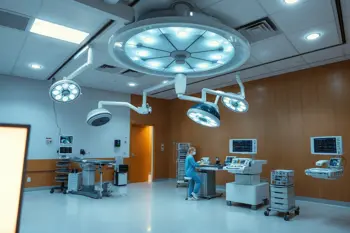
Advanced surgical technology is a defining characteristic of institutions recognized for excellence in urology 7. At centers like the Uniklinik RWTH Aachen in Germany, the focus on robotic surgical centers facilitates high-precision interventions for prostate and bladder cancers 3. Laparoscopic and robotic platforms allow surgeons to perform complex procedures through smaller incisions, which minimizes patient trauma and significantly improves clinical outcomes 5. These technological investments are typically coupled with dedicated nursing and support staff, ensuring that the perioperative journey is managed with specialized attention to patient needs 3.
Multidisciplinary Care and Patient-Centric Models
The most effective urological programs prioritize a team-based approach, involving oncologists, radiologists, and pathologists alongside surgeons to create personalized treatment plans 4, 10. For instance, the Asian Institute of Nephrology and Urology (AINU) utilizes a differentiated model that emphasizes clinical excellence and operational discipline in renal sciences 4. This patient-centric philosophy is also mirrored in centers like Manipal Hospitals, which report high success rates for complex urological surgeries by leveraging early diagnostics and continuous patient monitoring 9.
Specialization in Complex Urological Disorders
Beyond general urology, top hospitals are often defined by their ability to treat specific, complex conditions such as urologic oncology, infertility, and severe urinary incontinence 8, 11. Large academic medical centers like the Mayo Clinic and Johns Hopkins provide dedicated subspecialty departments that focus exclusively on the intricacies of the urinary system 3, 5. These institutions are often involved in establishing international guidelines for treatment, influencing how urologists worldwide approach recurrent infections, stones, and advanced genitourinary malignancies 3.
Geographic Distribution and Accessibility Considerations
Access to specialized care is global, with high-performing departments located in major metropolitan areas across North America, Europe, and Asia 1. Institutions such as Hong Ngoc General Hospital in Vietnam are increasingly expanding their international-standard services to accommodate a wider patient demographic, reducing administrative and language barriers for international residents 8. When selecting a facility, patients often evaluate the provider's specific expertise in their condition, along with the center's track record for patient safety and the volume of similar cases treated annually 6, 7.
Sources
- Newsweek: World's Best Specialized Hospitals 2026
- Fundació Puigvert: Urology Service Overview
- Uniklinik RWTH Aachen: Clinic for Urology and Pediatric Urology
- Asian Institute of Nephrology and Urology (AINU): About Us
- Acibadem Hospitals: Laparoscopic Urology Treatment
- Doctify: Professional Profiles and Healthcare Rankings
- Orlando Health: The Future of Urologic Care
- Hong Ngoc General Hospital: Comprehensive Urological Care
- Manipal Hospitals: Urology Advanced Care and Results
- U.S. News & World Report: Best Hospitals for Urology
- Penn Medicine: Department of Urology
Authored by MyTrendSpot team