Top Heating Pads to Help with Muscle Soreness: An Analysis of Therapeutic Applications and Safety
When individuals experience muscle soreness from physical activity or daily tension, heating pads are frequently identified as a primary tool for home-based pain management 1. By generating heat to increase blood flow to localized areas, these devices help improve circulation, reduce muscle guarding, and alleviate joint stiffness, making them a common choice for those seeking relief from aches and cramps 2. This report evaluates the current landscape of heating pad technology, focusing on the features that contribute to clinical effectiveness and the safety protocols required for consistent use 3.
The Physiological Benefits of Heat Therapy
Heat therapy operates on the principle of thermotherapy, which aids in modulating pain by improving blood vessel dilation 2. As blood flow increases in the treated area, the body can more effectively deliver oxygen and nutrients to tissues, helping to relax tight muscles and improve overall mobility 4. Physical therapists often note that this increase in circulation is instrumental in reducing the perception of pain and inflammation, allowing for improved comfort during recovery phases 5. The heat contributes to the reduction of muscle viscosity and can enhance collagen extensibility, which is particularly beneficial for those managing conditions like osteoarthritis 3.
Clinical experts emphasize that while heating pads are effective for stiffness and muscle-related discomfort, their application should be strategic 6. For instance, heat is generally optimal for chronic or recurring soreness, whereas cold therapy is typically reserved for acute injuries involving significant swelling 3. Utilizing heat correctly can promote genuine recovery rather than just providing temporary comfort 3. However, users must be aware that heating pads are not substitutes for professional medical intervention when dealing with serious or chronic injuries 3.
Evaluating Essential Features and Design
The market for heating pads is categorized by a variety of designs, including traditional electric models, wearable devices, and microwavable options 1. When analyzing these products, experts suggest prioritizing safety certifications-such as those provided by UL or ETL-which ensure that devices meet specific standards for auto-shutoff timers and maximum temperature thresholds 2. Devices that offer multiple heat settings allow for more precise control, which is essential because individuals may have different sensitivities to temperature 3.
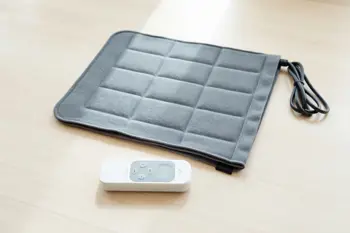
The physical design of the pad is another critical factor in determining its effectiveness. Professionals recommend selecting a shape that contours to the intended body part, as a flat, rectangular pad might not provide adequate coverage for the neck or shoulders, while it may be perfect for the lower back 3. Modern iterations often include weighted edges, magnetic closures, or straps to keep the device securely in place, facilitating hands-free use 8. Furthermore, for those who require intense treatment, some models offer moist heat capabilities, which can be activated by lightly misting the surface of the pad with water 7.
Market Comparison of Heating Pad Technology
| Feature | Electric Standard | Wearable/Weighted | Microwavable |
|---|---|---|---|
| Heat Delivery | Consistent/Regulated | Targeted/Conformable | Passive/Decreasing |
| Safety Controls | Digital Auto-Off | Timer Managed | None (User-Monitored) |
| Primary Usage | Lower Back/Legs | Neck/Shoulders | Spot/Travel |
As illustrated in the comparison table, each technology serves distinct therapeutic needs. Electric heating pads are often favored for their consistent, long-duration heat and digital safety shutoffs, which are critical for preventing burns during extended use 2. Wearable or weighted designs address the need for anatomical contouring, ensuring that heat is delivered consistently across difficult-to-target areas like the cervical spine or shoulders 9. Microwavable pads remain a popular alternative for those prioritizing mobility or who prefer natural heat sources, though they require active monitoring of the temperature to avoid skin irritation 1.
Clinical Safety and Proper Application
Regulatory oversight and manufacturer instructions are paramount when using electrical heating devices 10. The U.S. Food and Drug Administration (FDA) and other safety organizations warn that improper use can lead to serious injuries, including thermal burns 11. A primary recommendation from clinical experts is to limit application to no more than 20 minutes at a time to prevent skin damage 5. Additionally, the cord and fabric of any electric heating pad should be inspected regularly for signs of wear, fraying, or internal damage, as compromised units pose a fire risk 6.
Specific demographics should exercise heightened caution when using heat therapy. Individuals with reduced heat sensation, diabetes, or poor circulation may not be able to identify if a device is causing tissue damage until after a burn has occurred 6. It is also advised that those who are pregnant or have existing medical conditions consult with a clinician before integrating regular heat therapy into their pain management regimen 5. Adhering to manufacturer guidelines regarding automatic shutoff functions and cleaning is a non-negotiable aspect of safe ownership 6.
Summary of Selection Criteria
When searching for a device to assist with muscle soreness, users are encouraged to look beyond marketing aesthetics and focus on technical specifications. Key criteria include the dimensions of the heating area, the range of temperature levels provided, and the presence of an integrated auto-shutoff timer 6. Material quality, such as machine-washable covers, also impacts long-term maintenance and hygiene 6. By carefully matching the device's design to the specific muscle group that requires attention, individuals can achieve a more effective and personalized therapeutic experience while maintaining safety standards 3.
Sources
- Health.com: The 10 Best Heating Pads of 2026
- The New York Times Wirecutter: The 3 Best Heating Pads of 2026
- Consumer Reports: 5 Best Heating Pads to Comfort Sore Muscles
- NBC News: Best Heating Pads for Muscle Aches and Menstrual Cramps
- New York Magazine The Strategist: The 8 Best Heating Pads
- General Health Research: Therapeutic Safety and Best Practices for Heat Therapy
- Abruzzo News: Best Heating Pads for Muscle Aches and Menstrual Cramps
- Bob and Brad: Heating Pad with Weighted Edge Product Data
- Havenests: Sunbeam XL Renue Contoured Heating Pad Review
- U.S. Consumer Product Safety Commission: Electrical Safety Guidelines
- U.S. Food and Drug Administration: General Safety for Electrical Medical Devices
Authored by MyTrendSpot team