Warning Signs of High Blood Pressure: An Analytical Review of Clinical Indicators and Screening Realities
The Asymptomatic Nature of Hypertension
High blood pressure, clinically referred to as hypertension, is frequently described in medical literature as a silent condition 1. This designation arises from the fact that most individuals living with elevated blood pressure experience no recognizable physical sensations or symptoms whatsoever 2, 7. Because the condition does not typically manifest in a way that allows a person to subjectively assess their own health, it often goes undetected for extended periods 3, 8. Consequently, relying on physical feelings to gauge cardiovascular health is considered unreliable by clinical standards 7, 9.
The absence of early warning signs is the primary reason why routine screening remains the only effective tool for early detection 6, 10. Medical professionals emphasize that even when a person feels entirely healthy, their blood pressure levels may be consistently high enough to cause progressive damage to vital organs including the brain, kidneys, eyes, and the cardiovascular system itself 2, 5. Without proactive screening, this silent physiological stress can continue until significant complications, such as a heart attack or stroke, occur 1, 5.
Understanding the Clinical Measurement Baseline
Blood pressure is measured as the force of blood pushing against the arterial walls, and it is expressed using two specific numerical values measured in millimeters of mercury (mm Hg) 2, 8. The first number, systolic pressure, reflects the pressure when the heart beats, while the second number, diastolic pressure, represents the pressure between heartbeats when the heart is in a resting state 2, 9. Understanding these values is essential, as medical guidelines define hypertension based on consistent readings at or above specific thresholds 4, 10.
| Category | Systolic (mm Hg) | Diastolic (mm Hg) |
|---|---|---|
| Normal | Less than 120 | Less than 80 |
| Elevated | 120 to 129 | Less than 80 |
| Stage 1 Hypertension | 130 to 139 | 80 to 89 |
| Stage 2 Hypertension | 140 or higher | 90 or higher |
Clinical data highlights that blood pressure readings are not static and can fluctuate based on numerous physiological factors 4. To confirm a diagnosis of hypertension, doctors typically require consistent readings that remain at or above the 130/80 mm Hg threshold 4. Because of this volatility, the use of validated home monitors is often recommended as a complementary tool to provide a more comprehensive data set for healthcare providers to review during examinations 3, 6.
Potential Indicators of Severe Hypertension
While early-stage hypertension rarely produces noticeable symptoms, extremely elevated blood pressure can occasionally be accompanied by physical markers 2. These indicators are often non-specific and should not be used as a primary diagnostic method, yet they may signal a need for urgent medical evaluation 7. Reported signs during episodes of very high blood pressure can include persistent, severe headaches, unexplained dizziness, fatigue, or nosebleeds 2, 3. Some individuals may also report visual disturbances, which can occur as hypertension begins to affect the delicate blood vessels within the retina 3, 6.
Emerging research also suggests that certain indirect signs might be linked to underlying hypertension, though these require professional clinical investigation to confirm. For example, some clinical observations have linked chronic nighttime urination to salt sensitivity and hypertension, potentially resulting from the kidneys working under increased strain or fluid redistribution in the body 6. Despite these findings, the clinical consensus remains firm: the only reliable method for knowing whether blood pressure is elevated is through accurate measurement using a blood pressure cuff 7, 8.
Recognizing a Hypertensive Crisis
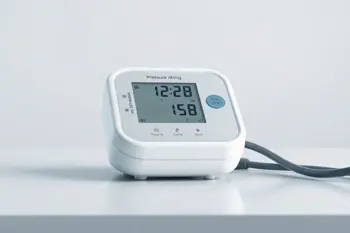
A hypertensive crisis is a critical medical event that occurs when blood pressure reaches levels of 180/120 mm Hg or higher 11. When these numbers are observed, it is recommended to wait a few minutes and retest; if the high reading persists, it may constitute an emergency, particularly if the individual is experiencing symptoms of organ damage 11. The presence of such elevated numbers combined with specific symptoms necessitates immediate professional medical attention to mitigate the risk of acute damage to the heart, brain, or kidneys 8, 11.
Symptoms that indicate a potential hypertensive emergency include severe chest pain, shortness of breath, confusion, weakness or numbness, and sudden, significant vision changes 7, 11. Difficulty speaking and severe headaches may also signal an acute neurological event, such as an impending stroke, which requires emergency response procedures 7, 11. Delaying care in these instances can result in irreversible damage to vital bodily functions and represents a high-risk scenario that must be managed in a clinical setting 7, 8.
Risk Factors and Preventive Considerations
The development of hypertension is influenced by a combination of genetic and lifestyle-related variables 3, 7. Key risk factors include an individual's family history, age, and pre-existing conditions such as diabetes or chronic kidney disease 3, 7. Lifestyle factors that can increase the risk of developing elevated pressure include high sodium intake, low physical activity levels, obesity, stress, and the use of tobacco or excessive alcohol consumption 1, 7. Identifying these factors early allows for the development of a proactive management strategy.
For individuals with a family history of heart disease or hypertension, proactive monitoring is often advised regardless of age or current health status 3. Routine screening during primary care visits remains the gold standard for long-term health management 6. By understanding the correlation between lifestyle choices and blood pressure readings, patients can work with their healthcare teams to implement non-pharmacological interventions or initiate treatment protocols that reduce the cumulative impact of arterial pressure on the body’s organ systems 1, 6.
Special Considerations in Pregnancy
High blood pressure during pregnancy requires distinct medical vigilance due to the risk of preeclampsia, a condition characterized by sudden increases in blood pressure 12. Expectant mothers are monitored closely for signs that go beyond typical hypertension indicators, including severe headaches, sudden swelling in the hands or face, and upper abdominal pain 12. These specific warning signs warrant prompt evaluation by an obstetrician, as they can indicate systemic complications that pose risks to both the parent and the developing fetus 12. Regular prenatal checks are critical for identifying these blood pressure trends before they escalate into acute health events 12.
Sources
- Merck Manual Consumer Version, 'High Blood Pressure'
- Harvard Health Publishing, 'High Blood Pressure (Hypertension)'
- Mayo Clinic News Network, 'High Blood Pressure Can Happen at Any Age'
- UC Davis Health, 'Blood Pressure Basics'
- Harvard Health, 'Controlling Your Blood Pressure'
- Scripps Health, 'High Blood Pressure: What Your Numbers Mean'
- Acibadem Hospitals Group, 'High Blood Pressure Symptoms: When to Seek Care'
- Centers for Disease Control and Prevention, 'About High Blood Pressure'
- Johns Hopkins Medicine, 'High Blood Pressure'
- World Health Organization, 'Hypertension Fact Sheets'
- American Heart Association, 'Understanding Blood Pressure Hypertensive Crisis'
- American College of Obstetricians and Gynecologists, 'Preeclampsia and High Blood Pressure During Pregnancy'
Authored by MyTrendSpot team