Ways to manage neuropathy at home: A clinical guide to comfort, safety, and follow-up
Start with the cause and a safety assessment
Neuropathy can result from diabetes, vitamin deficiencies, medication effects, infections, autoimmune disease, injuries, or compressed nerves, so home care should complement rather than replace an evaluation. A clinician may review medical history, lifestyle, toxin exposure, alcohol use, family history, reflexes, muscle strength, sensation, balance, and coordination. Blood tests may identify diabetes, low vitamin levels, inflammation, or metabolic problems, while nerve conduction studies and electromyography can assess nerve function. 1
The most appropriate home routine depends on whether symptoms involve pain, numbness, weakness, balance problems, or changes in sweating and other automatic body functions. People with wounds, severe pain, or worsening balance should discuss symptoms with a healthcare professional before changing routines. This is particularly important because numbness can hide burns, cuts, blisters, and pressure injuries that may worsen without being noticed. 2
Keep moving, but reduce injury risk
Regular low-impact activity can support circulation, muscle strength, mobility, mood, and day-to-day function. Walking, swimming, gentle stretching, ankle circles, and seated toe curls are examples described in the supplied research. Exercise should be adapted to current balance and strength, with gradual progression rather than sudden increases. A structured movement plan may help reduce discomfort and stiffness, but it does not reverse the underlying nerve damage by itself. 4 5
Safety is central when sensation or coordination is reduced. Supportive footwear, stable surfaces, adequate lighting, and assistance during activities that challenge balance can lower the chance of injury. Exercise may need professional guidance when weakness, falls, or significant balance problems are present. The practical goal is consistent, tolerable movement that maintains joint mobility and function without causing new pain, skin damage, or exhaustion.
Protect the feet every day
Daily foot inspection is one of the most important home practices for people with reduced sensation, especially those with diabetes. Examine the tops, soles, heels, and spaces between the toes for cuts, redness, blisters, swelling, cracks, or changes in color. A mirror can help inspect areas that are difficult to see. Report concerning changes to a clinician because a minor injury may not produce normal pain signals. 6
Wear comfortable, well-fitting shoes and socks, and avoid walking barefoot when numbness is present. Protective footwear should not rub, pinch, or create pressure points, and feet should be kept clean and dry. Water temperature deserves special attention because impaired sensation may prevent detection of a burn. Testing bath or foot-soak water with an elbow rather than relying on the feet is recommended in the supplied podiatry guidance. 6
Use comfort measures cautiously
Warm water may relax muscles, reduce stiffness, and improve comfort, but it should be warm rather than hot and should be used cautiously when sensation is impaired. One cited report described a 2020 study in which a mineral salt water foot bath at about 100°F, or 40°C, for 15 minutes reduced pain from diabetic neuropathy compared with plain water. Soaking may also dry the skin, so clinician advice is appropriate for people with diabetes, poor circulation, or skin problems. 3
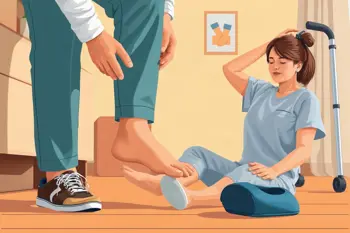
Massage may improve comfort or circulation for some people, and studies have reported symptom improvements with Thai foot massage in diabetic neuropathy. However, massage is not suitable over open wounds, unexplained swelling, or areas where injury is suspected. Cold compresses may help some chemotherapy-related flares, but ice should never touch skin directly and should be limited to brief periods with a towel barrier. Reduced sensation increases the risk of cold injury. 3
Consider topical and electrical options
Topical capsaicin or lidocaine may provide localized relief for some forms of nerve pain by reducing pain signaling in the treated area. Capsaicin can cause irritation or burning, should not be applied to broken skin, and requires thorough hand washing after application. The supplied evidence describes capsaicin as more useful for focal burning pain than as a universal treatment. Instructions on the product label and advice from a clinician or pharmacist are important, particularly when other topical medicines are being used. 8
Transcutaneous electrical nerve stimulation, commonly called TENS, uses low-voltage electrical current to help manage pain signals and is often considered a non-drug option for chronic neuropathic discomfort. It may not work for everyone, and appropriate settings, placement, and suitability should be reviewed with a healthcare professional. A home device should not be treated as a diagnosis or a cure. Persistent, spreading, or function-limiting symptoms still require assessment of the underlying cause. 9
Address blood sugar, nutrition, and daily habits
For diabetic neuropathy, maintaining stable blood sugar is identified in the supplied research as the primary strategy for limiting further nerve damage. Blood sugar targets and medication changes require individualized medical guidance rather than self-directed adjustments. Smoking cessation and limiting alcohol are also cited as relevant because smoking can impair circulation and alcohol can be toxic to nerves. These measures may require sustained monitoring, support, and follow-up rather than a short home remedy. 7 10
Vitamin B12 deficiency is a recognized possible cause of neuropathy, and supplementation may help when deficiency is confirmed. Testing B12 before starting supplements is advised in the supplied research, because treating an unconfirmed deficiency may miss another cause of symptoms. A balanced eating pattern, regular sleep, stress management, meditation, deep breathing, and gentle yoga may support coping with persistent pain. These strategies can improve overall management but should not be presented as guaranteed nerve repair. 10
Know when home management is not enough
Home measures are most appropriate as part of an ongoing care plan, not as a substitute for determining why neuropathy developed. Medical review is warranted when symptoms are new, rapidly worsening, associated with weakness, or interfering with walking, sleep, or daily activities. Clinicians may use blood tests, imaging, nerve studies, sensory testing, sweat testing, or other investigations depending on the symptom pattern. Accurate diagnosis helps distinguish systemic disease from compression, injury, or deficiency. 1
Follow-up also matters because effective management requires maintenance: daily inspections, safe footwear, consistent activity, monitoring of diabetes when relevant, and review of treatments that cause irritation or side effects. Acupuncture and TENS are described as complementary options, but evidence and suitability vary by person. Any open wound, significant skin change, severe pain, or balance decline should prompt professional advice rather than increasingly intensive self-treatment. 2 9
Sources
- Mayo Clinic, Peripheral neuropathy: Diagnosis and treatment
- Understood Care, Lifestyle & Home Remedies for Neuropathy
- Verywell Health, Home Remedies to Ease Nerve Pain in the Feet
- Medici Orthopedics, Stretch, Soak, or Stim? Home Remedies for Neuropathy
- Chronic Care of Richmond, Living with Peripheral Neuropathy
- Michigan Foot Doctors, Neuropathy Foot Treatment at Home
- Mayo Clinic, Diabetic neuropathy: Diagnosis and treatment
- WebMD, Topical capsaicin for nerve pain
- Healthline, Natural remedies for peripheral neuropathy
- National Institute of Neurological Disorders and Stroke, Peripheral neuropathy
Authored by MyTrendSpot team