Understand glaucoma treatment options: A guide to clinical interventions and management
Key facts
- The primary clinical goal in treating glaucoma is lowering intraocular pressure to prevent further, irreversible damage to the optic nerve 1 2.
- Standard treatment follows a tiered approach, typically starting with medicated eye drops, followed by laser procedures, and eventually incisional surgery 3 4.
- Surgical procedures for glaucoma in the United States generally range from 3,500 USD to 18,000 USD per eye, with insurance often covering significant portions of these costs 5.
- Consultation with an ophthalmologist is required to determine the most appropriate, personalized treatment plan based on the type and severity of the condition 6 2.
Glaucoma is a group of chronic, progressive eye conditions that damage the optic nerve, often resulting in vision loss if left unmanaged 7 3. Because this damage is typically irreversible, the clinical focus of all treatment options is to preserve existing sight by reducing intraocular pressure (IOP) 1 2. Treatment plans are highly individualized, as specialists must account for the specific anatomy of the eye, the type of glaucoma present, and the patient's overall health before recommending a strategy 2 7.
Medication as Initial Therapy
Topical medications, commonly known as eye drops, serve as the standard first-line treatment for most patients with open-angle glaucoma 1 8. These pharmaceuticals lower eye pressure by either reducing the production of aqueous humor fluid within the eye or by increasing the rate at which fluid drains from the eye 1 8. Commonly prescribed classes include prostaglandin analogues, beta-blockers, and alpha-agonists, each with distinct mechanisms and potential side effects 8.
The efficacy of medical therapy relies heavily on consistent, daily application. Challenges with adherence, or the development of ocular surface sensitivity to drops, may lead clinical professionals to consider alternative interventions 9 3. Costs for these medications vary, ranging from approximately 10 USD to 30 USD per month for generic formulations, though total annual spending depends on the specific drug regimen and insurance coverage 3 10.
Laser Procedures
When medication is insufficient or difficult for a patient to maintain, laser surgery is often the next step in the clinical progression 6 4. Selective laser trabeculoplasty (SLT) is a frequent procedure where a focused beam of light is used to treat the eye's drainage system, known as the trabecular meshwork 6 9. This procedure is typically performed in an office setting and aims to enhance fluid outflow, thereby reducing pressure without the need for traditional incisions 6 9.
Modern variations, such as direct selective laser trabeculoplasty (DSLT), have also emerged as options for managing eye pressure 9. Because laser treatments are often minimally invasive, recovery is typically rapid, allowing individuals to resume normal activities shortly after the session 6. As with all surgical interventions, an ophthalmologist evaluates the patient's anatomy to determine if laser therapy is a viable alternative to, or a way to reduce reliance on, daily medications 6 2.
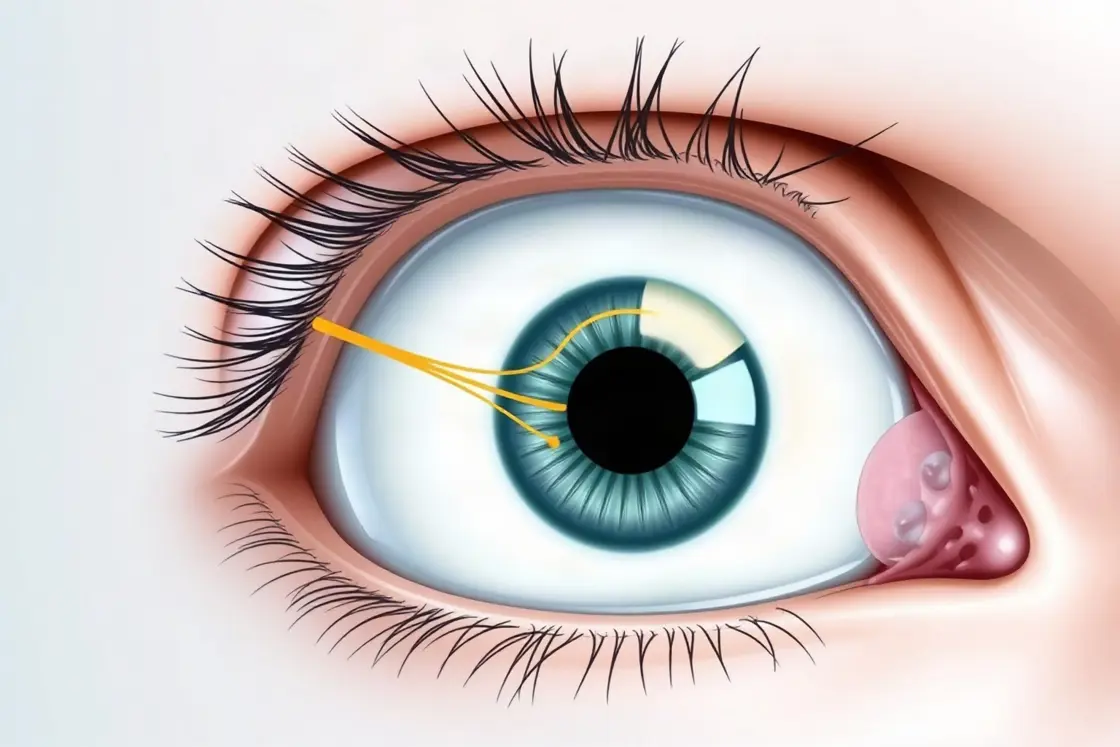
Incisional and Minimally Invasive Surgery
Incisional surgery is considered when medication and laser procedures fail to reach the target pressure required to halt optic nerve damage 5 4. These procedures may include traditional filtering surgeries like trabeculectomy, which involves creating a new drainage pathway, or newer Minimally Invasive Glaucoma Surgery (MIGS) techniques 1 11. MIGS often involves the placement of microscopic stents to improve outflow and is frequently performed in conjunction with cataract surgery 5 4.
Recovery periods and the specific goals of incisional surgery depend on the complexity of the procedure and the health of the eye 4. While traditional surgery is effective at achieving significant pressure reduction, it carries a higher risk profile compared to laser options 12 4. Patients are closely monitored for complications and to assess the long-term effectiveness of the drainage pathway created during the operation 2 12.
Costs and Insurance Coverage
Financial considerations for glaucoma surgery are influenced by the type of procedure, geographic location, and specific insurance plans 5 3. In the United States, surgical costs typically range from 3,500 USD to 18,000 USD per eye when factoring in surgeon fees, facility charges, and anesthesia 5. Patients with insurance coverage, including those using Medicare, typically experience significantly lower out-of-pocket expenses 5 11.
Under Medicare Part B, for example, beneficiaries are often responsible for a 20% coinsurance after the annual deductible is met, provided the service is deemed medically necessary 11. Because pricing and coverage policies fluctuate, patients are encouraged to verify details with their insurance providers and consult with their surgical facility to understand the specific costs associated with their proposed treatment path 3 11.
The Role of Clinical Specialists
The diagnosis and management of glaucoma are conducted by licensed eye care professionals, primarily ophthalmologists, who are medical doctors trained to provide both clinical monitoring and surgical intervention 2 9. Because glaucoma is often asymptomatic in its early stages, regular follow-ups are critical for tracking intraocular pressure and monitoring the health of the optic nerve through diagnostic imaging and visual field tests 2 3.
A qualified ophthalmologist determines when to initiate, change, or escalate treatment based on longitudinal data rather than a single pressure reading 7. This process ensures that therapy is aggressive enough to protect the nerve but not so intense as to cause unnecessary side effects or discomfort for the patient 7. Anyone concerned about their risk or current eye health should schedule a comprehensive examination with a specialist to discuss potential diagnostic and management paths 2 3.
Sources
- Glaucoma Surgery - Ophthalmology Advisor: https://www.ophthalmologyadvisor.com/factsheets/glaucoma-surgery/
- Best Glaucoma Treatment In The World: Options - Acibadem Hospitals Group: https://acibademinternational.com/health-library/best-glaucoma-treatment-in-the-world-how-it-works-results-and-what-to-expect/
- Glaucoma Treatment Cost: Eye Drops, Laser & Surgery Options — VisionCostGuide: https://visioncostguide.com/guides/glaucoma-treatment-cost/
- Glaucoma Surgery: Types, Procedure, and Recovery - Free Market Healthcare: https://freemarkethealthcareblog.com/glaucoma-surgery-guide/
- Glaucoma Surgery Cost: What You'll Really Pay in 2026 | Surgery Cost Guide: https://howmuchsurgerycost.com/glaucoma-surgery-cost
- Glaucoma Treatments, Surgeries, And Costs - Glaucoma Research Foundation: https://glaucoma.org/articles/glaucoma-treatments-surgeries-and-costs
- Glaucoma Pharmacotherapy – Principles and Practice | IntechOpen: https://www.intechopen.com/chapters/1222478
- Review of Topical Glaucoma Medications - EyeWiki: https://eyewiki.aao.org/Review_of_Topical_Glaucoma_Medications
- SLT and DSLT Laser Surgeries for Glaucoma - American Academy of Ophthalmology: https://www.aao.org/eye-health/diseases/slt-dslt-laser-surgeries-glaucoma-1
- Socioeconomic Differences in Glaucoma Medication Spending Under Medicare Part D: Evidence on Price vs Utilization: https://exa.ai/library/publication/lcn18lb5q4t
- Does Medicare Cover Glaucoma Surgery? Costs and MIGS Rules - LegalClarity: https://legalclarity.org/does-medicare-cover-glaucoma-surgery-costs-and-migs-rules/
- Comparative cost-effectiveness of Xen45 Gel Stent versus trabeculectomy in the United States Medicare system - Ophthalmology Glaucoma: https://www.ophthalmologyglaucoma.org/article/S2589-4196(26)00075-X/abstract
Authored by MyTrendSpot team