Warning Signs of Neuropathy: A Clinical Overview of Peripheral Nerve Dysfunction
Peripheral neuropathy represents a complex condition characterized by the malfunction of nerves outside the central nervous system 1. Often beginning as subtle sensory changes, these nerve disorders can impact a significant portion of the population, with estimates suggesting that peripheral neuropathy affects more than 20 million Americans 6. Because symptoms often develop gradually over months or years, the early identification of nerve dysfunction is essential for managing progression and identifying underlying causes 1, 9.
Understanding Sensory and Motor Manifestations
The most frequent indicators of peripheral neuropathy involve the sensory nerves, which carry information about touch, pain, and temperature to the brain 4. Patients commonly report a sensation of tingling or pins and needles, which may start in the toes or feet before spreading to the hands 2, 3. This often presents in a symmetrical, stocking-glove distribution 7, 8. Burning pain, particularly during nighttime hours, is a hallmark sign that many individuals experience as the condition evolves 2, 8.
As the condition progresses to involve motor nerves, physical capabilities may become impaired. Early motor signs include muscle weakness, particularly in the feet, which can result in difficulty lifting the toes or an overall change in gait 2, 8. Balance becomes significantly affected, as the body loses its ability to accurately sense the position of limbs in space 2. These issues contribute to an increased risk of falls, particularly in environments with low light or uneven surfaces 8.
Autonomic Nervous System Involvement
Beyond sensory and motor issues, peripheral neuropathy can impact autonomic nerves, which control involuntary bodily functions such as blood pressure regulation, digestion, and sweating 4, 5. When these nerves are damaged, individuals may experience symptoms such as lightheadedness when transitioning to a standing position, which suggests blood pressure instability 3. Gastrointestinal complications, including irregular digestion or changes in bowel habits, may also arise as the signaling between the brain and internal organs is interrupted 3, 5.
Other autonomic warning signs include unexpected or abnormal perspiration, where a person may notice excessive sweating or a lack of sweating in specific areas 3, 4. Sexual dysfunction is another possible manifestation of autonomic nerve damage 3. Because these symptoms are systemic, they are sometimes misattributed to other internal conditions, highlighting the importance of a comprehensive neurological examination when such patterns are identified alongside classic sensory complaints 4, 9.
The Critical Role of Early Detection in Diabetics
Diabetes mellitus is identified as the most common cause of peripheral neuropathy, with up to 50% of individuals with the condition experiencing some form of nerve damage during their lifetime 1, 2, 9. High blood glucose and elevated levels of fats like triglycerides can damage both the nerve fibers themselves and the small blood vessels that supply them with essential nutrients 2. This chronic damage leads to a significant reduction in protective sensation, particularly in the lower extremities 2, 7.
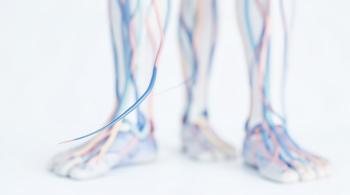
The loss of sensation is a major clinical concern because it masks physical injuries 7. Patients may develop cuts, blisters, or pressure sores on their feet without experiencing the pain that would normally alert them to the damage 2, 7. If left untreated, these injuries can rapidly progress into deep ulcers or infections that jeopardize tissue health 8, 9. Regular visual foot inspections are considered a mandatory maintenance practice for individuals with known diabetic nerve involvement 8.
Diagnostic Approaches and Clinical Assessment
Medical professionals generally initiate a diagnosis by reviewing a patient's full medical history and conducting a neurological examination to assess reflexes, muscle strength, and sensory perception 3, 4, 5. Blood tests are frequently employed to identify potential underlying triggers, such as vitamin B12 deficiency, metabolic disorders, or systemic autoimmune conditions 1, 3, 4. These tests help to differentiate peripheral neuropathy from other nerve-related issues 1.
| Diagnostic Tool | Primary Function |
|---|---|
| Electromyography (EMG) | Assesses electrical activity in muscles to detect nerve-to-muscle signal failure. |
| Nerve Conduction Studies | Measures how quickly electrical signals move through peripheral nerves. |
| Blood/Urine Panels | Checks for systemic causes like diabetes, toxins, or vitamin deficiencies. |
| Physical Examination | Tests reflexes, sensory response, and motor coordination. |
When to Seek Urgent Medical Attention
While many cases of neuropathy develop slowly, certain scenarios require immediate medical investigation to rule out more acute pathologies or rapid neurodegenerative processes 1, 10. Sudden or rapidly progressive weakness that hinders mobility is considered a red flag, as is the development of significant changes in bladder or bowel control 3, 10. Difficulties with breathing or swallowing should also be treated as an emergency due to the potential involvement of nerves controlling the diaphragm and throat 10.
Furthermore, symptoms that appear suddenly or are strictly unilateral-affecting only one side of the body-may indicate that the cause is not standard polyneuropathy, but perhaps a vascular or central nervous system event 2, 10. In these instances, quick access to a specialist is necessary to prevent permanent loss of function 9, 10.
Risk Factors and Preventive Considerations
Peripheral nerve damage is not always avoidable, yet managing known risk factors remains the primary method for slowing disease progression 4. Alcohol use, for example, is a recognized contributor to nerve toxicity and can exacerbate existing neuropathy 1, 3. Nutritional deficiencies, specifically regarding thiamin and vitamin B12, represent other avoidable factors that can trigger nerve dysfunction 1, 3. In cases where the underlying cause remains unknown, which accounts for up to 30% of cases, focus shifts to symptom management and protective measures 1, 9.
Sources
- Merck Manual: Polyneuropathy Overview
- National Institute of Diabetes and Digestive and Kidney Diseases: Peripheral Neuropathy
- Acibadem Hospitals Group: Peripheral Neuropathy Symptoms
- Acibadem Hospitals Group: Early Symptoms and Causes
- Acibadem Health Point: Neuropathy Symptoms and Treatment
- Neuropathy Resource: Peripheral Neuropathy Overview
- Mir Neurology: Early Signs of Peripheral Neuropathy
- Neuropathy AI: Symptom Progression Guide
- Neuropathy 360: Warning Signs and Symptoms
- iMedic Health: Polyneuropathy Symptoms and Causes
Authored by MyTrendSpot team