Understand Migraine Treatment Alternatives: An Evidence-Based Clinical Overview
Understanding migraine treatment alternatives means comparing options that stop an attack, reduce future attacks, or support symptom control alongside medical care. Current clinical information describes migraine treatment as a personalized toolbox shaped by symptom pattern, attack frequency, health conditions, treatment goals, and tolerance of side effects. 1
How migraine treatment is organized
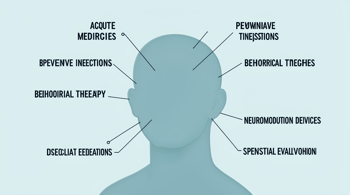
Migraine care generally has three purposes: acute treatment during an attack, preventive treatment on a regular schedule, and rescue treatment when the initial approach does not work. Acute medicines may include nonsteroidal anti-inflammatory drugs, acetaminophen, triptans, or newer CGRP receptor antagonists called gepants. Preventive treatment may involve daily medicines, injections, Botox, or other scheduled therapies. 6
A treatment plan is not determined solely by pain intensity. Frequency, nausea, sensory sensitivity, aura, disability, menstrual timing, medication side effects, and other health conditions can change which alternatives are appropriate. Updated prevention guidance recommends considering preventive treatment for adults with four or more migraine days monthly, four or more moderate-to-severe headache days monthly, or migraine that interferes substantially with work or routine activities. 7
Acute medicines for an active attack
Acute medicines are intended to be taken when migraine symptoms begin, with many options working most effectively early in the headache phase while pain remains mild. Triptans are established prescription treatments and are generally more effective than acetaminophen or nonsteroidal anti-inflammatory drugs for many adults. However, triptans may not be suitable for people with certain cardiovascular or cerebrovascular conditions, so medical assessment is important. 5
Gepants such as ubrogepant and rimegepant provide another prescription category for acute treatment, while anti-nausea medicines may be added when vomiting or severe nausea prevents adequate treatment. When oral medicines are difficult to retain, clinicians may consider nasal sprays, injections, suppositories, or orally dissolving formulations. The choice depends on symptoms, contraindications, previous response, and the timing of medication use. 8
Preventive medicines and injections
Preventive treatment is taken on a recurring schedule to reduce attack frequency or severity rather than to provide immediate relief. Traditional options include beta-blockers such as propranolol or metoprolol and certain antiseizure or antidepressant medicines. These treatments may remain relevant because clinicians have longer experience with them and because patient circumstances can make established therapies more suitable than newer alternatives. 9
CGRP-targeting therapies have expanded prevention choices. Some are tablets, while others are administered by injection or infusion, and clinical reporting indicates that certain CGRP medicines have reduced migraine frequency in up to 70 percent of people who take them. OnabotulinumtoxinA, commonly called Botox, is an FDA-approved preventive option for adults with chronic migraine, generally involving headache on at least 15 days per month for more than three months. 9
Behavioral and lifestyle approaches
Non-drug approaches can complement medication and may be especially relevant when side effects, contraindications, personal preference, or incomplete response limit drug treatment. Reviewed approaches include cognitive behavioral therapy, biofeedback, relaxation training, yoga, exercise, acupuncture, and manual therapy. A 2026 mini-review reported that the studies it examined consistently found reductions in migraine frequency, severity, or duration across several non-pharmacological interventions, although individual results and evidence quality can vary. 2
Lifestyle measures generally focus on regular sleep, hydration, exercise, stress management, and identifying personal triggers rather than following a universal avoidance list. Menstrual patterns may be relevant for some patients, and hormonal approaches such as estrogen pills, patches, or vaginal gel may be considered for selected hormonal migraine patterns. These measures are not interchangeable, because a strategy connected to menstrual timing will not apply to everyone with migraine. 1
Supplements, devices, and procedures
Magnesium, riboflavin, and coenzyme Q10 are among supplements used by some people for migraine prevention. Complementary medicine organizations describe supplements, acupuncture, relaxation techniques, and biofeedback as possible additions to conventional care, not universal replacements for it. Supplements can produce side effects or interact with medicines, so a clinician or pharmacist should review the full treatment list before use. 10
Noninvasive neuromodulation devices use electrical or magnetic stimulation and provide a medication-free treatment category for selected patients. Specialist services may also use nerve blocks or supervised infusion-based therapies when standard approaches are inadequate or cannot be used safely. Suitability, availability, insurance coverage, device indications, and effectiveness vary, making specialist evaluation important before pursuing these alternatives. 3
Risks, eligibility, and treatment monitoring
Every alternative has trade-offs. Triptans may be restricted by vascular disease, preventive medicines can cause unwanted effects, injections require scheduled administration, and non-drug therapies may require repeated sessions and sustained participation. Frequent reliance on acute medicines can contribute to medication-overuse headache, particularly when pain relievers or migraine medicines are needed regularly. A rising number of treatment days should therefore prompt a discussion about prevention and medication use. 10
Diagnosis and safety screening are essential because not every severe headache is migraine. Sudden severe headache, new weakness, confusion, fainting, fever, stiff neck, neurological symptoms, or headache after a head injury requires urgent medical evaluation. For ongoing migraine, clinicians commonly compare attack days, symptom severity, functional effects, adverse reactions, and treatment response over time. This monitoring helps determine whether to continue, change, combine, or discontinue an option. 3
Questions that shape an individualized plan
A clinical discussion can begin by distinguishing the main objective: stopping current attacks, reducing future attacks, controlling nausea, avoiding a specific side effect, or finding a non-drug approach. The number of migraine days, use of acute medicines, aura symptoms, menstrual association, cardiovascular history, pregnancy considerations, and previous treatment response all provide information for selecting among alternatives. 4
Realistic expectations are also important. Migraine treatment is described by headache specialists as a toolbox rather than a single curative medicine, and one option may work well for one person but poorly for another. Combining preventive care, appropriately timed acute treatment, behavioral strategies, and trigger management may offer a broader approach than relying on any single intervention. 4
Sources
- Healthline, Your Chronic Migraine Treatment Playbook
- Frontiers in Pain Research, Non-pharmacological approaches for migraine management: a mini-review
- Acibadem Hospitals Group, Migraine Treatments Beyond Pills
- University of Utah Health, Triptans, CGRPs, and Botox
- American Family Physician, Acute Migraine Treatment: Guidelines From the International Headache Society
- Healthline, Preventive, Abortive, and Rescue Migraine Medications Explained
- American Academy of Neurology and American Headache Society, Updated Guideline on Migraine Prevention
- Healthgrades, Medications When First-Line Migraine Treatment Stops Working
- Science News, Migraine Drugs and Prevention Guidelines
- National Center for Complementary and Integrative Health, Migraine
Authored by MyTrendSpot team