Warning signs of lung cancer: A clinical guide to symptoms and evaluation
Warning signs of lung cancer include a new cough that does not go away, chest pain, coughing up blood, hoarseness, shortness of breath, and wheezing. These symptoms can also result from infections, asthma, allergies, or other conditions, but new, persistent, or worsening changes warrant assessment by a healthcare professional. Lung cancer can affect people who have never smoked, so smoking status alone does not determine whether symptoms merit attention.
Why early lung cancer can be difficult to recognize
Early lung cancer often produces no noticeable symptoms, which allows some tumors to grow before detection. The lungs contain relatively few pain-sensing nerve endings, so a tumor may develop without causing obvious discomfort. The Lung Cancer Research Foundation reports that about 72% of lung cancers are diagnosed at a regional or distant stage, when treatment is generally more difficult. 3
Smoking remains the leading risk factor, and approximately 85% of lung cancer cases are related to cigarette smoking according to the Merck Manual. However, Mayo Clinic reports that up to 20% of lung cancers occur in people without a smoking history. Other contributors include secondhand smoke, radon, air pollution, workplace hazards, and a family history of lung cancer. 1 2
Respiratory warning signs
A persistent cough is one of the most commonly reported symptoms. It may be a new cough, a cough that becomes more intense, or a change in the character of a long-standing cough. Shortness of breath, wheezing, and repeated respiratory infections such as bronchitis or pneumonia are also recognized warning signs. Symptoms that continue despite treatment for a presumed infection or airway condition may require a fresh clinical evaluation. 2 4
- A new cough that does not resolve or gradually worsens
- A noticeable change in a chronic cough
- Breathlessness during ordinary activities
- New or persistent wheezing
- Bronchitis or pneumonia that keeps returning
Blood, voice, and chest symptoms
Coughing up blood, medically called hemoptysis, should be evaluated even when the amount is small. Blood-streaked or rust-colored phlegm can have causes other than cancer, including infection, but it is not a symptom to dismiss. Mayo Clinic lists coughing up blood, chest pain, hoarseness, shortness of breath, and wheezing among possible signs that occur in or around the lungs. 1
Chest pain may become more noticeable with deep breathing, coughing, or laughing. Persistent hoarseness can reflect irritation or pressure affecting structures involved in the voice. These symptoms do not establish a cancer diagnosis, because they overlap with many noncancerous illnesses, but their duration, progression, and response to treatment provide useful information for a clinician assessing the lungs and airways. 3 4
Whole-body and less obvious signs
Lung cancer can produce symptoms beyond the respiratory system, particularly when it has spread to other parts of the body. Reported systemic signs include unplanned weight loss, reduced appetite, fatigue, and weakness. Mayo Clinic also identifies bone pain and headaches as possible symptoms when disease affects other areas. These findings are nonspecific and can occur in many medical conditions, but unexplained combinations deserve documented medical review. 1 5
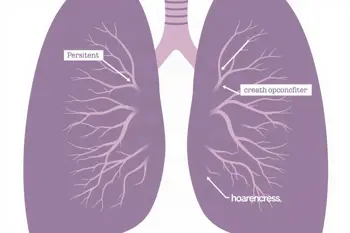
Other changes may involve the shoulder, arm, back, face, or neck. Pain in the shoulder, arm, or back can sometimes occur when a tumor affects nearby nerves or structures. Swelling in the face or neck may develop when a tumor obstructs the superior vena cava, a large vein returning blood from the upper body. Such signs can indicate advanced disease, although only diagnostic testing can determine their cause. 1 6
Who can develop lung cancer
Lung cancer occurs most often in older adults and is strongly associated with cigarette smoking, but it is not limited to current or former smokers. Documented risk factors include secondhand smoke, radon exposure, air pollution, occupational hazards such as asbestos, genetic factors, and family history. MercyOne notes that people who have never smoked may overlook symptoms because they assume lung cancer cannot affect them. 1 4
Risk assessment should therefore consider exposure history as well as symptoms. Relevant details include current and past tobacco use, secondhand smoke, residential radon exposure, workplace materials, air pollution, family history, and previous lung conditions. A symptom by itself does not diagnose cancer, and the absence of symptoms does not guarantee that cancer is absent. Screening and diagnostic decisions depend on personal risk and clinical guidance. 1 4
Screening, diagnosis, and clinical follow-up
Screening is intended for people who have an elevated risk and no symptoms, whereas symptoms generally lead to diagnostic evaluation. Mayo Clinic states that people ages 50 to 80 with a significant smoking history may qualify for lung cancer screening, although eligibility should be determined with a healthcare professional. Screening eligibility is not a reason to ignore symptoms, and people outside that group may still require evaluation based on clinical findings. 1
Diagnosis commonly begins with imaging. A clinician may order a chest X-ray and then use more detailed imaging, such as computed tomography or PET-CT, when appropriate. Imaging can identify an abnormality, but a biopsy is needed to confirm lung cancer. After confirmation, staging determines whether surgery, radiation therapy, chemotherapy, targeted agents, immunotherapy, or combinations of these treatments are considered. 2 5
How to interpret symptoms responsibly
Most people with a cough, chest discomfort, or breathlessness do not necessarily have lung cancer. Respiratory infections, asthma, allergies, smoking-related airway disease, and other conditions can produce similar symptoms. The more informative pattern is often persistence, progression, a change from a person’s usual baseline, recurrence after treatment, or the presence of associated signs such as blood in sputum, unexplained weight loss, or persistent hoarseness. 3 4
A medical appointment can include a symptom timeline, smoking and exposure history, physical examination, and decisions about imaging or screening. Coughing up blood, increasing breathing difficulty, facial or neck swelling, severe chest pain, or neurological symptoms require timely professional assessment because they may reflect serious lung disease or another medical emergency. No symptom list can replace examination, imaging, and tissue testing when cancer is suspected. 1 2
Sources
- Mayo Clinic News Network, “What do I need to know about lung cancer?”
- Merck Manual Consumer Version, “Lung Cancer”
- Lung Cancer Research Foundation, “Lung Cancer Symptoms: Signs, Early Warning, and When to See a Doctor”
- MercyOne, “Signs and symptoms of lung cancer”
- MSD Manual Professional Edition, “Lung Carcinoma”
- American Cancer Society, “Signs and Symptoms of Lung Cancer”
Authored by MyTrendSpot team