Natural remedies for managing digestive discomfort: Evidence, limitations, and safety considerations
Natural remedies for managing digestive discomfort commonly focus on familiar approaches such as drinking water, using ginger or chamomile tea, adjusting fiber intake, and addressing stress. These measures may help occasional nausea, bloating, constipation, or indigestion, but digestive symptoms can have multiple causes and persistent or severe discomfort should not be managed without medical assessment.
Matching remedies to digestive symptoms
Digestive discomfort is not one condition. Upper abdominal symptoms may be associated with indigestion, gas, reflux, or gastritis, while lower abdominal discomfort is more often linked with bloating, constipation, irritable bowel syndrome, or menstrual cramps. Generalized symptoms can occur with a viral illness, food intolerance, or stress, so the location and pattern of symptoms matter when considering a home approach. 4
Hydration is a foundational measure because dehydration can contribute to cramps, nausea, and constipation. Small sips of room-temperature water may be easier to tolerate during nausea, while fluid replacement is particularly important when diarrhea is present. Eating slowly, avoiding overeating, and limiting foods that consistently trigger symptoms are also practical dietary measures described in clinical guidance. 13
Ginger and chamomile for nausea and upset
Ginger has a long history of use for nausea, vomiting, and stomach upset. It is available as fresh root, tea, lozenges, extracts, and supplements. Gingerols and shogaols are identified as active compounds, and research summaries associate ginger with gastric motility and nausea relief. Some people experience heartburn or diarrhea, and ginger may increase bruising or bleeding risk when combined with anticoagulants such as warfarin. 15
Chamomile tea is traditionally used for indigestion, gas, stomach upset, and irritation. Its proposed anti-inflammatory and antispasmodic effects may help relax the digestive system, although much of the evidence remains traditional or comes from animal research rather than large human trials. Chamomile should therefore be viewed as supportive rather than a treatment for ulcers, persistent pain, or unexplained digestive disease. 129
Peppermint and fennel for gas and cramping
Peppermint oil is among the more extensively studied botanical options for irritable bowel syndrome. Its menthol content may relax intestinal muscles and reduce abdominal pain, bloating, and gas, with clinical trials supporting enteric-coated capsules for some IBS symptoms. Formulation and dose matter, and evidence for a standardized preparation should not automatically be applied to peppermint-flavored foods or all herbal products. 236
Peppermint can aggravate acid reflux because it may relax the lower esophageal sphincter, allowing stomach contents to move upward. This makes it a potentially unsuitable choice for people whose main symptom is heartburn. Fennel seeds are another traditional option for gas and bloating; anethole is associated with relaxation of the digestive tract, but traditional use does not establish effectiveness for every cause of abdominal discomfort. 28
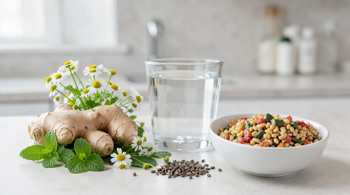
Fiber, probiotics, and digestive routines
Dietary fiber is central to constipation management and broader digestive health, but intake is generally increased gradually because a sudden increase may worsen gas or bloating. Adequate fluid intake supports the effect of fiber. The appropriate amount and type can depend on the symptom pattern, so a persistent change in bowel habits warrants evaluation rather than indefinite self-treatment. 117
Probiotics containing organisms such as Lactobacillus and Bifidobacterium may support the gut microbiome and reduce selected symptoms, including bloating or constipation, but effects vary by strain and individual. They are not interchangeable, and a product that helps one person may not help another. Probiotics should be considered an optional targeted approach, not a universal solution for unexplained pain, bleeding, or ongoing diarrhea. 7
Options with limited or mixed evidence
Apple cider vinegar is often promoted for low stomach acid and indigestion, but the supplied evidence describes support for these claims as largely anecdotal. Acidic substances may be inappropriate for people with reflux or irritation, so vinegar should not be treated as a proven remedy for general digestive discomfort. Claims should be separated from clinical evidence, especially when symptoms may reflect gastritis, ulcer disease, or reflux. 12
Aloe vera juice has shown potential in small studies involving gastroesophageal reflux symptoms, possibly through effects on acidity, but the evidence is limited. Slippery elm contains mucilage that forms a coating over irritated tissue and is traditionally used to soothe the gastrointestinal tract. Neither option establishes the cause of symptoms or replaces evaluation when discomfort persists, intensifies, or occurs with other warning signs. 410
Safety, interactions, and medical evaluation
Natural does not mean risk-free. Ginger may interact with blood thinners, peppermint may worsen reflux, and herbal products can vary in concentration and quality. Combination formulas also make it harder to identify which ingredient caused a benefit or adverse effect. People taking regular medication, those who are pregnant, and people with diagnosed gastrointestinal disease should review herbal use with a qualified clinician.
Medical assessment is important for severe, persistent, or recurrent abdominal pain, particularly when symptoms include intense discomfort, bleeding, dehydration, repeated vomiting, or a major change in bowel habits. Stomach aches may result from overeating or stress, but similar symptoms can also occur with ulcers, gastritis, reflux, infection, or other conditions requiring diagnosis. 341
Sources
- Verywell Health
- The Conversation
- Plant-Derived Treatments for IBS, Nutrients
- Apollo Hospitals
- Johns Hopkins Medicine
- National Center for Complementary and Integrative Health
- Harvard Health Publishing
- Cleveland Clinic
- Mount Sinai Health System
- Penn Medicine
- Mayo Clinic
- Medical News Today
Authored by MyTrendSpot team