Understanding Different Approaches to Managing High Blood Pressure: An Analytical Review of Clinical Guidelines and Therapeutic Strategies
The Clinical Landscape of Hypertension Management
Managing high blood pressure, medically recognized as hypertension, involves a multifaceted clinical strategy aimed at reducing cardiovascular morbidity and mortality 4. As of 2025, updated guidelines from organizations such as the American Heart Association (AHA) and the American College of Cardiology (ACC) provide a comprehensive framework for detection, risk assessment, and therapeutic management 2. These guidelines reflect a growing focus on patient-centered, risk-based care that integrates biological markers, social drivers of health, and standardized measurement protocols to improve long-term outcomes 4.
Clinical management is predicated on accurate classification of blood pressure, which currently utilizes a four-category framework: normal, elevated, and two stages of hypertension 2. The diagnostic process is increasingly supported by out-of-office blood pressure monitoring, which serves to mitigate the impact of white-coat hypertension and confirm persistent clinical readings 4. Through consistent monitoring and adherence to structured treatment plans, clinicians aim to lower blood pressure below established targets, thereby mitigating the risk of serious complications like stroke, chronic kidney disease, and heart failure 8.
The Role of Lifestyle Interventions
Lifestyle modification remains a primary, foundational approach to managing hypertension, often serving as the initial intervention strategy for patients with stage 1 hypertension 6. Clinical consensus highlights the efficacy of the DASH eating plan, which prioritizes fruits, vegetables, whole grains, and lean proteins while explicitly reducing sodium intake 10. Furthermore, regular physical activity, including both aerobic and resistance training, is recognized as a significant non-pharmacological tool that assists in lowering systolic and diastolic readings when integrated into daily routines 10.
In addition to dietary and exercise-based interventions, clinical guidelines emphasize the importance of weight management, smoking cessation, and alcohol moderation 10. Stress management practices are also considered part of the broader lifestyle approach to calming the nervous system 7. These modifications are not merely adjuncts; they are essential components that can influence the necessity and dosage of subsequent pharmacological treatments, particularly in the early stages of the condition 6.
Pharmacological Treatment Strategies
When lifestyle modifications are insufficient to achieve target blood pressure levels, or in cases where risk profiles are significantly high due to comorbidities like diabetes or coronary artery disease, pharmacological intervention is warranted 6. Current clinical standards emphasize four primary classes of antihypertensive medications as first-line therapy: angiotensin-converting enzyme (ACE) inhibitors, angiotensin receptor blockers (ARBs), calcium channel blockers, and thiazide-type diuretics 5, 6. The selection of these agents is tailored to the individual patient, taking into account their unique medical history and the presence of any end-organ damage 6.
Most clinical regimens for hypertension require the use of combination therapy, as many patients, particularly as they age, necessitate two or more medications to reach optimal control 6. The complexity of managing these drug combinations requires vigilant follow-up, as clinicians must periodically adjust dosages and monitor for adherence barriers or adverse side effects 10. Advanced options, such as renal denervation, are increasingly recognized as secondary interventions for highly resistant cases, marking a shift toward more specialized treatment pathways for specific patient populations 4.
Monitoring and Longitudinal Care
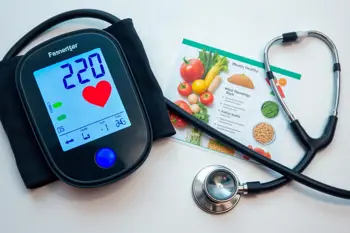
Longitudinal care for hypertension involves regular follow-up and monitoring to ensure treatment efficacy and safety 10. Home blood pressure monitoring has gained significant clinical traction, providing physicians with a richer data set than isolated office readings 4, 10. This approach allows for the identification of masked hypertension, where office readings may appear normal while ambulatory pressures remain consistently elevated, necessitating a recalibration of therapeutic goals 10.
The integration of technology and patient engagement is a cornerstone of modern hypertension care 4. Team-based care models, involving various healthcare practitioners, are recommended to provide comprehensive support for patients managing their blood pressure over the life course 4. This ongoing monitoring is vital because, without consistent control, hypertension continues to be a leading driver of cardiovascular morbidity and mortality, requiring constant vigilance and potentially evolving management tactics as the patient ages 4, 8.
Management of Specialized Populations and Crisis
Hypertension management requires specific considerations for high-risk populations, including those with chronic kidney disease, neurological disorders, and individuals during pregnancy 4. Guidelines provide tailored targets for these groups, acknowledging that standardized approaches may not always yield the safest results 4. Furthermore, hypertensive crises-defined by pressures of 180/120 mmHg or higher with evidence of end-organ damage-demand immediate clinical intervention, often necessitating a rapid yet controlled reduction in pressure within the first hour of emergency treatment 8.
The variability in guideline recommendations globally, particularly regarding target blood pressure levels for the elderly, underscores the need for clinical judgment in selecting treatment thresholds 5, 9. While international consensus exists on the general classes of medication and the necessity of lifestyle modification, clinicians must remain informed of the nuanced differences in guidance to effectively address the specific physiological demands of these diverse patient cohorts 5.
Emerging Research and Knowledge Gaps
Despite significant advancements, research continues to identify areas where clinical guidance remains uncertain, particularly regarding optimal blood pressure thresholds across different ethnic, sex, and age-related groups 5. There is also ongoing investigation into the role of novel therapeutic agents and the impact of environmental factors, such as air pollution and climate change, on global hypertension trends 5. Future clinical directions are expected to further refine the use of risk calculators like the PREVENT risk score, which incorporates modern data points to offer more accurate assessments of cardiovascular risk 4.
As research progresses, the medical community continues to advocate for better data collection in inpatient settings and clearer strategies for long-term prevention 4, 8. The goal remains to bridge the gap between population health data and individual clinical practice, ensuring that every patient receives a strategy optimized for their specific cardiovascular profile and lifestyle context 4.
Sources
- Cureus: Comparative Effectiveness of Pharmacological and Non-pharmacological Interventions for Hypertension Management
- Medscape: 2025 AHA/ACC Guideline Summary for Hypertension in Adults
- Mayo Clinic: 10 Ways to Manage High Blood Pressure Without Medicine
- Springer Nature: Updates in the 2025 AHA/ACC Hypertension Guideline
- ESC 365: Targets for Treatment and Optimal Strategies for Managing Hypertension in 2025
- Harvard Health: Taming High Blood Pressure: How Doctors Find the Right Drug Mix
- Springer Nature: Hypertension International Guidelines: Three of a Kind?
- BMC Cardiovascular Disorders: Current Guidelines in Hypertension Management
- MDPI: European Hypertension Guidelines: Similarities and Clinical Practice
- Centers for Disease Control and Prevention: Managing High Blood Pressure
Authored by MyTrendSpot team