Celiac Disease Symptoms: Clinical Manifestations and Diagnostic Considerations
Understanding the Nature of Celiac Disease
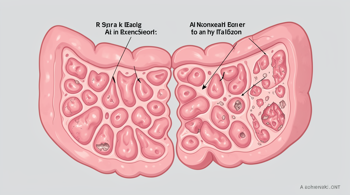
Celiac disease is an autoimmune condition characterized by an abnormal immune response to the ingestion of gluten, a protein found in wheat, barley, and rye 1. When affected individuals consume these grains, the immune system targets the lining of the small intestine, leading to inflammation and, over time, significant structural damage to the intestinal villi 2. This damage impairs the organ's primary function of nutrient absorption, which can lead to widespread malabsorption and secondary systemic health complications 1. Because of its wide array of potential manifestations, the condition is frequently referred to as a medical chameleon 6.
The global prevalence of celiac disease is estimated at approximately 1%, with clinical presentations varying significantly based on genetics and environmental factors 8. Diagnosis often relies on a combination of serologic screening, such as IgA tissue transglutaminase tests, and histological confirmation via duodenal biopsy 8. Given that the average diagnosis time can span many years, identifying the diverse range of symptoms is critical for clinical management and the prevention of long-term health risks like bone density loss or small bowel lymphoma 68.
Classic Gastrointestinal Presentations
For many adults and children, the initial indicators of celiac disease involve the digestive tract. These symptoms reflect the direct inflammatory response occurring within the small intestine. Common reports include chronic diarrhea, abdominal pain or cramping, bloating, and excessive gas 16. Nausea and vomiting are also frequently documented in clinical settings 15. While constipation is sometimes dismissed as a minor digestive irregularity, it remains a noted clinical symptom among individuals who have not yet received a diagnosis 15.
The following table summarizes common gastrointestinal manifestations observed in patients:
| Symptom | Clinical Observation |
|---|---|
| Chronic Diarrhea | Persistent loose stools due to nutrient malabsorption |
| Abdominal Bloating | Distension often occurring after gluten ingestion |
| Belly Pain | Intermittent or chronic discomfort in the abdominal region |
| Constipation | Difficult or infrequent bowel movements |
Systemic and Extra-Intestinal Symptoms
Interestingly, more than half of adults diagnosed with celiac disease present with symptoms that are not primarily digestive 1. These extra-intestinal manifestations can complicate the diagnostic process because they often mirror other chronic conditions. One of the most prevalent secondary complications is iron-deficiency anemia, caused by the small intestine's inability to absorb iron effectively 16. Patients may also experience unexplained fatigue, dizziness, and shortness of breath as direct consequences of nutritional deficiencies 6.
Beyond hematological issues, the skeletal and dermatological systems are frequently impacted. Decreased absorption of calcium and vitamin D can result in the loss of bone density, leading to osteoporosis or osteomalacia 18. Dermatitis herpetiformis, an intensely itchy and blistering skin rash, serves as a specific cutaneous marker that can alert clinicians to an underlying autoimmune reaction to gluten 15. Other systemic indicators include joint pain, mouth ulcers, and unexplained headaches 15.
Neurological and Cognitive Manifestations
Untreated celiac disease is increasingly linked to various neurological impairments. Patients may report persistent brain fog, which affects concentration and cognitive performance 58. Furthermore, peripheral neuropathy-characterized by numbness or tingling in the hands and feet-has been documented as a potential consequence of the systemic inflammatory response 1. Some individuals may also experience ataxia, a condition affecting balance and coordination, highlighting the extent to which gluten sensitivity can impact the nervous system 1.
The psychological impact should also be considered, as irritability and mood changes are occasionally noted in both pediatric and adult populations 5. These neurological symptoms may persist until a strict, lifelong gluten-free diet is implemented, which allows the intestinal lining to heal and reduces the chronic immune activation that triggers these neurological events 18.
Pediatric Growth and Development Concerns
In children, the symptoms of celiac disease often intersect with critical developmental milestones. A hallmark of pediatric celiac disease is "failure to thrive," where a child's growth is significantly lower than expected for their age 5. Pediatricians monitor for signs such as short stature or delayed onset of puberty, which can occur due to long-term malabsorption of essential nutrients 5. Dental enamel defects, such as pitting or discoloration of permanent teeth, are also clinical markers that may appear in children with the condition 5.
Early identification is essential for preventing the cascading effects of nutritional deficiency during childhood. When celiac disease is suspected in a child, diagnostic pathways are similar to those for adults but require specific pediatric expertise to interpret growth charts and developmental delays accurately 5. Following a strict gluten-free diet often results in catch-up growth and the resolution of gastrointestinal issues for many children once the small intestine begins to recover 1.
Silent Celiac Disease and Diagnosis
Silent or asymptomatic celiac disease refers to individuals who test positive for the condition but do not report typical gastrointestinal distress 7. Even in the absence of obvious physical symptoms, the inflammatory process in the small intestine continues to cause damage 7. Because of this, medical guidelines often recommend screening close relatives of those already diagnosed, as genetic predisposition plays a significant role in disease development 78. Adults over the age of 60 may also present with very mild or non-existent symptoms, leading to underdiagnosis in older populations 8.
The only recognized method to manage celiac disease is a strict adherence to a gluten-free diet, which must be maintained for the duration of the patient's life 8. While researchers continue to explore non-dietary therapeutic strategies, dietary modification remains the standard for symptom resolution and intestinal healing 8. Multidisciplinary support, including dietitians and gastroenterologists, is often necessary to help patients manage the challenges of long-term compliance 8.
Sources
- Mayo Clinic: Celiac disease - Symptoms and causes
- Cleveland Clinic: Celiac Disease
- Coeliac UK: Coeliac Disease Symptoms
- National Institutes of Health (PMC): Diagnosis and management of celiac disease
- Mount Sinai: How to Spot Celiac Disease in Kids
- Canadian Digestive Health Foundation: Uncovering the Hidden Symptoms
- Verywell Health: Silent Celiac Disease
- National Celiac Association: Celiac disease triggers for older adults
Authored by MyTrendSpot team