Warning signs of Parkinson's disease stages: An Analysis of Clinical Progression and Early Symptoms
Recognizing the warning signs of Parkinson's disease stages is a vital component in navigating this complex neurodegenerative disorder. While many individuals associate the condition primarily with tremors, the clinical reality often involves a subtle onset of non-motor symptoms that can emerge years or even decades before motor impairment becomes apparent 3, 7. Understanding these signs allows for earlier medical evaluation, which is essential for effective symptom management and long-term care planning 2, 5.
The Prodromal Phase: Subtle Indicators Before Diagnosis
Long before clinical motor symptoms such as bradykinesia or rigidity appear, many individuals experience what researchers call the prodromal phase 3, 6. During this period, which can span 10 to 20 years prior to formal diagnosis, neurodegeneration is already occurring 6. Frequently reported early indicators include a reduced sense of smell, known as hyposmia, and REM sleep behavior disorder, where individuals physically act out vivid dreams 3, 6. Chronic constipation and persistent shifts in mood, specifically depression and anxiety, are also recognized as precursors that often precede the classic movement-related signs of the disease 3, 4, 7.
These non-motor manifestations are often overlooked because they are common in the general population or associated with normal aging 1, 2. However, when these changes occur in combination or show a progressive, unexplained pattern, they warrant professional clinical assessment 3. Researchers emphasize that because 50% to 80% of dopamine-producing neurons are lost by the time motor symptoms manifest, identifying these prodromal markers is an active area of study aimed at developing future disease-modifying treatments 3.
Early Motor Symptoms and Initial Diagnostic Indicators
When the condition shifts toward motor involvement, the signs may initially appear on only one side of the body 5, 7. A resting tremor in the fingers or hands is perhaps the most widely recognized early marker, though it is important to note that not everyone with Parkinson's develops a tremor 1, 3. Other early motor changes include reduced arm swing while walking, a general slowing of movement known as bradykinesia, and smaller handwriting 3, 7. Facial masking, or a reduction in natural facial expressions, can also be observed during these initial stages 3.
Stiffness in the limbs, often described as muscle rigidity, may contribute to the sensation of difficulty moving or standing from a seated position 1, 7. These symptoms are often subtle, leading many individuals to attribute their challenges to physical strain or fatigue 1. Clinical diagnosis typically relies on the presence of these motor findings combined with an assessment of the patient's medical history, as there is no single test that definitively identifies the disease in its earliest forms 8.
Staging Parkinson’s Disease: The Hoehn and Yahr Scale
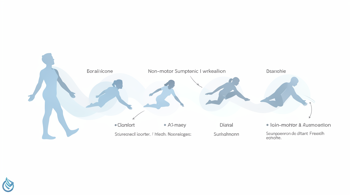
To facilitate communication among healthcare providers and families, the Hoehn and Yahr scale is frequently used to describe the progression of motor impairment 5, 6. This scale classifies the disease into five distinct stages, although clinical practice often recognizes intermediate levels such as 1.5 and 2.5 to better describe a patient's status 6. It is essential to understand that these stages are not rigid checkpoints, and individual progression can vary significantly, with some patients remaining in early stages for many years 5, 6.
| Stage | Clinical Features |
|---|---|
| Stage 1 | Mild symptoms limited to one side of the body; balance is typically unaffected. |
| Stage 2 | Bilateral symptoms emerge; posture and gait may begin to show subtle changes. |
| Stage 3 | Impaired balance and coordination; risk of falls increases, yet physical independence remains. |
| Stage 4 | Severe disability; significant challenges with standing or walking; reliance on assistance. |
| Stage 5 | Advanced stage; typically requires wheelchair or bedridden care; high dependency level. |
Middle Stages: Gait Changes and Balance Impairment
As the disease progresses into the middle stages, typically around Stage 3, the risk of falls becomes a prominent concern due to postural instability 6. During this period, individuals may notice an increase in the severity of bilateral motor symptoms, including more pronounced rigidity and bradykinesia 6. Freezing of gait, where the feet seem stuck to the floor, is a common experience that significantly impacts mobility and safety, further distinguishing these middle stages from the initial onset of the condition 9.
Speech and swallowing difficulties may also emerge as the neurological control of fine motor muscles continues to decline 9. While many individuals in this phase maintain a degree of physical independence, the need for environmental modifications at home often increases. Coordination tasks that were previously effortless may require more conscious effort, and the frequency of motor fluctuations-periods where medication effects may wear off-can complicate daily activity management 9.
Advanced Stages: Loss of Independence and Caregiving Needs
Stages 4 and 5 represent the more advanced progression of the disease, characterized by substantial mobility challenges and an increased reliance on caregivers 5, 6. In Stage 4, an individual may be able to walk or stand unassisted, but they often struggle to do so safely. By Stage 5, the combination of severe mobility restriction, such as being wheelchair-bound or bedridden, and the potential for cognitive changes, necessitates full-time care 6.
These advanced stages highlight the critical need for long-term planning and support systems. The focus of clinical care shifts toward symptom mitigation, preventing complications like aspiration pneumonia associated with swallowing difficulties, and maintaining the highest possible quality of life through multidisciplinary support, including physical, occupational, and speech therapy 8, 9.
Risk Factors and Variable Progression
Parkinson’s disease is primarily diagnosed in individuals over age 60, though early-onset cases appearing before age 50 represent a notable, though smaller, percentage of the total patient population 1, 5. Research into the causes suggests a complex interplay of genetic, lifestyle, and environmental factors, though the exact trigger remains unknown for most patients 1, 5. Because of this complexity, the rate of decline is not uniform; two individuals with identical initial symptoms may experience entirely different trajectories over time 6.
Given the variability, early and ongoing evaluation by a movement disorder specialist is recommended for those who notice persistent or worsening motor and non-motor signs. While current medical interventions cannot stop the progression, they are highly effective at managing specific symptoms, thereby extending the period of functional independence and improving the daily experience for those living with the condition 2, 8.
Sources
- Stony Brook Medicine: Early Signs of Parkinson's Disease
- Harvard Health: How to spot Parkinson's disease symptoms
- Parkinsons.org: Early Signs and Symptoms
- APDA: Early Warning Signs of Parkinson’s
- Scripps Health: What Are The Early Signs of Parkinson’s
- Parkinsons.org: Stages of Parkinson's Disease
- Parkinsons.org: Parkinson's Disease Progression
- UPMC HealthBeat: What to Know About Parkinson's Disease Symptoms
- UHealth Collective: Early Parkinson’s Symptoms
- Merck Manual: Parkinson Disease (PD)
Authored by MyTrendSpot team