Understanding Police Impound Vehicle Auctions: A Practical Guide to Costs, Titles, Risks, and Vehicle Choices
Key facts
- Police impound vehicles may be sold after abandonment, unpaid charges, forfeiture, or unresolved legal custody issues.
- Public auction vehicles are commonly sold as-is, with limited inspection, few returns, and possible title complications.
- The 2026 Toyota Camry LE starts at $30,595 and reaches 51 mpg combined in front-wheel-drive form. 1
- The 2026 Ford Explorer Active starts at $38,465, seats seven, and is rated at 20 city and 29 highway mpg with rear-wheel drive. 2
Understanding Police Impound Vehicle Auctions requires more than learning how to place a bid. These public sales can involve cars held by police departments, sheriff's offices, municipalities, towing contractors, or other authorized agencies. The vehicle may have been abandoned, recovered after theft, held as evidence, or associated with unpaid towing and storage charges. Auction rules, title status, inspection access, and removal deadlines determine whether a purchase is practical.
What a police impound auction actually is
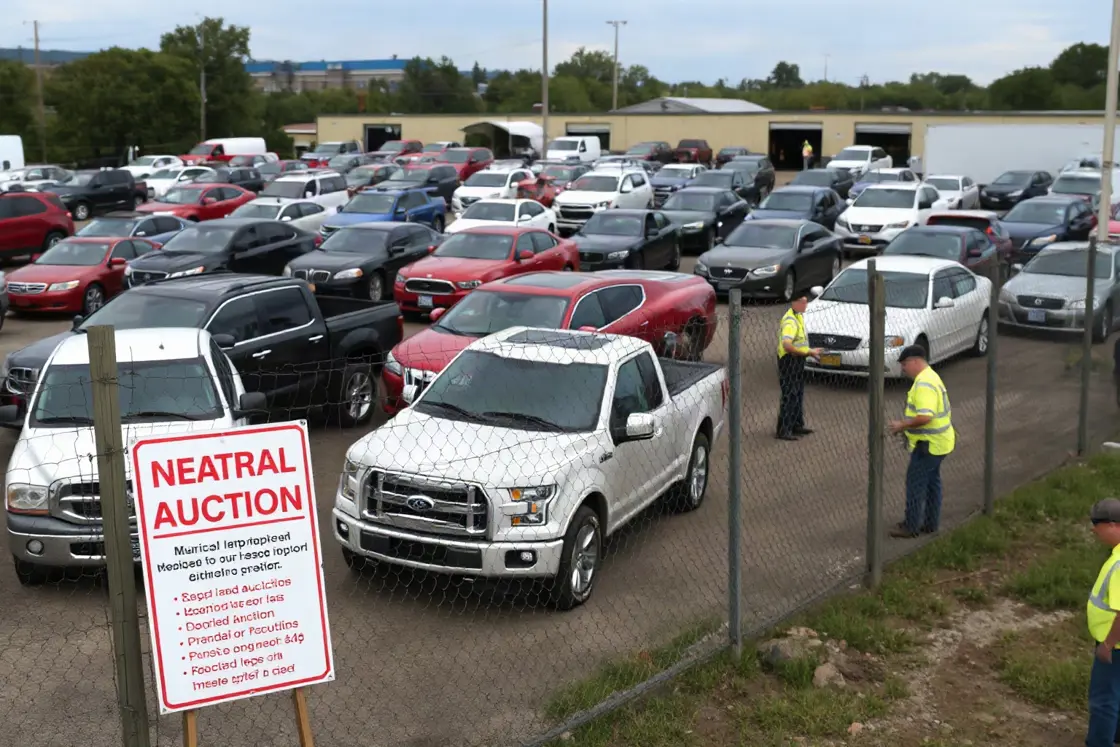
An impound auction is a public sale of a vehicle that remains in official or contracted custody after the legal or administrative process for release has not been completed. Common categories include abandoned vehicles, unclaimed towed vehicles, recovered stolen vehicles, forfeited property, and vehicles held after unresolved violations. Police involvement does not necessarily mean the vehicle was operated by law enforcement or maintained by a public agency.
The seller may be a city, county, sheriff's office, parking authority, towing company acting under a statutory lien process, or an authorized auction operator. Local sales can take place at storage yards or online, while government surplus and forfeiture programs follow different rules. A published notice may identify the year, make, model, VIN, mileage, photographs, and title status, but an auction listing is not a mechanical inspection report. 3 4
Registration, inspection, and bidding
Registration commonly requires an account, identity information, agreement to sale terms, and sometimes a deposit. The official notice controls the bidding format, payment deadline, pickup window, buyer fee, taxes, and title delivery. In-person auctions may use numbered bidder credentials, while online events can impose electronic deadlines and automatic bid increments. A winning bid generally creates a binding obligation even when the vehicle is later found to need major work.
Inspection rules vary substantially. Some facilities permit a short preview period but prohibit test drives; others allow only visual examination through photographs and lot notes. Before bidding, a careful inspection should cover cold-start evidence where available, engine-fluid leaks, warning lights, tire age, brake condition, missing keys, glass, body structure, airbags, electrical functions, and signs of flood or fire exposure. A tow plan is important because an apparently running vehicle may not be legally drivable or roadworthy.
Titles, VIN records, and legal risks
The VIN should be matched across the auction record, title paperwork, dashboard plate, door label, and any available history report. Relevant checks include odometer consistency, theft recovery, reported collisions, salvage or rebuilt branding, open recalls, lien records, and state registration requirements. Definitions differ by state, so a title labeled clean, salvage, or rebuilt can have different consequences for inspection, registration, resale, and insurance eligibility.
Tow-lien sales generally involve notice to the registered owner and recorded lienholders before the vehicle can be sold, but timelines and forms vary by state. 5 A buyer should confirm whether the sale transfers a usable title, a salvage document, or only limited paperwork. Other risks include storage deterioration, missing keys, disabled electronics, undisclosed mechanical damage, and a history that is incomplete because the vehicle changed custody several times.
What the winning bid does not include
The winning bid is only one part of the ownership calculation. Auction terms may add a buyer fee, sales tax, title and registration charges, towing, storage after the pickup deadline, transport, inspection, and repair work. Vehicles are frequently sold as-is and where-is, with limited warranty protection and little opportunity to return the vehicle. Public auction guidance emphasizes that the agency's sale terms, rather than general assumptions, control the transaction. 6 7
| Cost category | Why it matters |
|---|---|
| Buyer or platform fee | May be calculated separately from the bid and disclosed in the auction terms. |
| Transport and storage | Non-running vehicles may require a tow, while missed removal deadlines can create additional storage charges. |
| Title and registration | State procedures, title branding, inspections, and taxes affect whether the vehicle can be legally operated. |
| Repairs and safety work | Brakes, tires, airbags, electronics, body structure, and powertrain faults can materially change total cost. |
Vehicle types and practical model comparisons
Impound inventories are unpredictable. Older sedans, compact cars, SUVs, pickup trucks, motorcycles, vans, and non-running vehicles may appear in the same sale. For everyday transportation, condition and documentation matter more than body style. A compact sedan can have lower fuel use and simpler tire costs, while an SUV may provide additional seats and cargo flexibility but involve higher running costs.
| Model reference | Starting MSRP and powertrain | Efficiency, seating, and use |
|---|---|---|
| 2026 Toyota Camry LE | $30,595; 2.5-liter four-cylinder hybrid, front-wheel drive | 51 mpg combined; midsize sedan with a 15.1-cubic-foot trunk in a comparison listing. 1 8 |
| 2026 Honda Civic Hybrid Sport | About $29,295; 2.0-liter four-cylinder with two electric motors | 49 mpg combined and 14.8 cubic feet of cargo space in a published comparison. 8 |
| 2026 Ford Explorer Active RWD | $38,465; turbocharged four-cylinder, rear-wheel drive | 20 city and 29 highway mpg; seven seats. 2 |
These new-model references are comparison points, not predictions of auction prices. A used impound vehicle can have a lower acquisition figure but substantially higher repair, title, transport, and depreciation exposure. The Camry and Civic emphasize fuel efficiency and sedan practicality, while the Explorer offers three-row capacity. Published commentary places the Explorer among midsize three-row competitors including the Honda Pilot, Toyota Highlander, Nissan Pathfinder, Chevrolet Traverse, and Jeep Grand Cherokee. 9
Ownership costs and when conventional buying is safer
After purchase, ownership costs include fuel, scheduled maintenance, tires, registration, repairs, depreciation, and insurance pricing determined by vehicle, driver, location, and title history. A branded title can affect coverage choices and resale, while an older vehicle may need suspension, cooling, transmission, or electrical work soon after purchase. Fuel economy is only one part of the calculation: a highly efficient car with unresolved safety damage can be more costly than a documented vehicle with predictable service needs.
A conventional used-car transaction may be the safer comparison when inspection access is limited, the title is unclear, the vehicle cannot be independently examined, or the all-in estimate approaches the market reference value of a comparable documented car. Public auctions can provide transparency through formal notices and competitive bidding, but they also transfer more uncertainty to the buyer. A disciplined ceiling should include every known fee, transportation, immediate safety repairs, title work, and a reserve for defects that cannot be verified before bidding.
Sources
- 2026 Toyota Camry Pricing and MPG: Which Trim Offers ...: https://www.motortrend.com/features/2026-toyota-camry-price-mpg-trim-comparison
- 2026 Ford Explorer - Specs, Prices, MPG, Reviews & Photos | Cars.com: https://www.cars.com/research/ford-explorer-2026/
- Local Impound Auction Guide for First-Time Buyers – Government Auctions Blog: https://www.governmentauctions.org/blog/2026/08/30/local-impound-auction-guide/
- How to Check Impound Auction Listings Locally – Government Auctions Blog: https://www.governmentauctions.org/blog/2026/09/20/check-impound-auction-listings/
- The Tow Lien Sale Process, Explained State by State — towyardIQ: https://www.towyardiq.com/articles/lien-sale-process-by-state
- Public Vehicle Auctions: What to Know Before You Bid - LegalClarity: https://legalclarity.org/public-vehicle-auctions-what-to-know-before-you-bid/
- How Government Auctions Work: A Buyer's Guide: https://govauctionalerts.com/guides/how-government-auctions-work
- 2026 Toyota Camry Hybrid vs Honda Civic Hybrid: MPG Winner?: https://nextcarreview.com/2026-toyota-camry-hybrid-vs-honda-civic-hybrid/
- 2026 Ford Explorer: Prices, Reviews & Pictures - CarGurus: https://www.cargurus.com/research/2026-Ford-Explorer-c34175
Authored by MyTrendSpot team