Effective treatments for gout in the United States: A Clinical Overview of Evidence-Based Therapies
Understanding Gout: Prevalence and Disease Mechanism
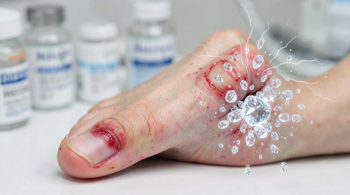
Gout is recognized as one of the most prevalent causes of chronic inflammatory arthritis in the United States, characterized by the deposition of monosodium urate (MSU) monohydrate crystals in tissues and joints. 1 The condition develops when serum urate concentrations exceed 6.8 mg/dL, the saturation threshold at which urate begins to crystallize and deposit in periarticular tissue, joints, and, in advanced disease, the kidneys. 4 A 2024 epidemiological study reported the global prevalence of gout increased by 22.5% between 1990 and 2020, reaching 55.8 million people worldwide, with projections estimating 95.8 million by 2050, driven by aging populations and rising rates of metabolic conditions including obesity, hypertension, and chronic kidney disease. 22
In the United States, approximately 4.7 million Americans over the age of 60 have gout, and among adults over 80, prevalence reaches between 11 and 13 percent. 21 Comorbidities are extremely common among people diagnosed with gout: in a large population-based cohort study of 94,759 gout patients, hypertension was present in 65.15%, dyslipidemia in 50.58%, diabetes in 24.19%, and chronic kidney disease in 32.80% of participants. 8 These concurrent conditions directly influence which treatment options are appropriate for a given patient and significantly complicate long-term management.
First-Line Treatments for Acute Gout Flares
The primary goals when managing an acute gout flare are rapid analgesia and the inhibition of inflammation, enabling a return to pain-free function as quickly and safely as possible. 2 According to the 2020 American College of Rheumatology (ACR) guidelines, three drug classes are recognized as first-line options for acute flares: nonsteroidal anti-inflammatory drugs (NSAIDs), colchicine, and corticosteroids. 4 Since these therapies have demonstrated similar overall efficacy, the selection among them is guided by individual patient factors such as comorbid conditions, concurrent medications, renal and hepatic function, and the potential for adverse effects. 4
NSAIDs such as indomethacin, naproxen, and meloxicam are standard options for patients without contraindications related to cardiovascular, gastrointestinal, or renal risk. Colchicine is most effective when administered within 24 hours of flare onset; the FDA-approved prophylactic dosage for adults is 0.6 mg once or twice daily, with a maximum recommended dose of 1.2 mg per day. 10 Oral corticosteroids or intra-articular corticosteroid injections are commonly prescribed for patients who cannot tolerate NSAIDs or colchicine, and represent the primary approach for elderly patients or those with significant kidney impairment where both NSAIDs and colchicine carry meaningful safety risks. 21 Adjunctive local measures including rest, elevation, and topical ice can be used alongside pharmacological therapy. 2
Urate-Lowering Therapy: Allopurinol and Febuxostat
Long-term prevention of gout flares and disease progression depends exclusively on reducing the body's total urate burden through urate-lowering therapy (ULT). The only evidence-based approach for preventing recurrent flares and limiting the destructive potential of gout is to maintain serum urate well below the 6.8 mg/dL solubility threshold, with most clinical guidelines targeting levels below 6.0 mg/dL for most patients and below 5.0 mg/dL for those with tophaceous or frequently recurring disease. 5 Allopurinol, a xanthine oxidase inhibitor (XOI), is the most commonly prescribed ULT in the United States and is recommended as first-line therapy by the ACR. 17 ACR guidelines recommend starting allopurinol at a low dose of 100 mg daily, with gradual upward titration; the maximum dose reaches 800 mg if target serum urate levels are not achieved. 13
Febuxostat is an FDA-approved alternative XOI for patients who are intolerant of or refractory to allopurinol. 14 Multiple randomized and controlled studies have reported that XOIs including allopurinol and febuxostat may also produce improvements in estimated glomerular filtration rate (eGFR) or reductions in adverse renal outcomes, particularly in patients with hyperuricemia and chronic kidney disease, as well as modest reductions in blood pressure. 7 A critical concern in real-world practice is adherence: data from a Veterans Administration study found that after receiving new allopurinol prescriptions, only 46% of patients received continuous prescriptions, and only 20% reached the target serum uric acid level. 13 Furthermore, in a large cohort study, only 12.40% of patients with gout achieved good serum urate control, with no improvement in this rate observed over time. 8
Prophylaxis, Combination Strategies, and the Role of Colchicine
A widely misunderstood aspect of gout management is that initiating ULT can itself trigger acute flares, because changes in serum urate levels mobilize urate crystals from existing tissue deposits. For this reason, flare prophylaxis with colchicine or an anti-inflammatory agent is recommended upon initiation of allopurinol or any other ULT and should continue until serum urate has been stabilized at target levels. 18 The 2020 ACR guidelines recommend ULT for patients with one or more subcutaneous tophi, radiographic evidence of gout damage, or two or more flares annually; ULT is generally not recommended for patients experiencing their first gout flare unless they have moderate-to-severe chronic kidney disease (stage 3 or higher), serum urate above 9 mg/dL, or urolithiasis. 13
For patients in whom the serum uric acid target below 6 mg/dL cannot be reached despite maximum allopurinol dosing of 800 mg, clinical guidelines recommend switching to febuxostat, adding a uricosuric agent such as probenecid, or combining a XOI with a uricosuric. 13 Uricosurics, which promote uric acid excretion by the kidneys, are generally not recommended for patients with chronic kidney disease due to diminished renal function. 13 Evidence indicates that approximately 39% of patients experience recurrence of gout when ULT is withdrawn, underscoring the importance of indefinite maintenance therapy rather than intermittent use. 13
Refractory Gout and Emerging Biologic Options
For patients with chronic refractory gout in whom conventional ULT has failed, pegloticase (Krystexxa) remains the only FDA-approved uricase enzyme for this indication. Administered as an intravenous infusion typically lasting approximately two hours every two weeks, pegloticase works by enzymatically converting uric acid to allantoin, a more soluble compound. 15 In 2022, the FDA approved an expanded label for Krystexxa authorizing its co-administration with methotrexate, a combination shown to reduce the formation of anti-drug antibodies that can diminish efficacy. 22 Pegloticase carries FDA boxed warnings for the risk of severe allergic reactions, infusion reactions, and life-threatening blood cell problems in people with G6PD deficiency. 15
Phase 3 clinical trial data presented at ACR Convergence 2025 highlighted several novel treatment directions. Nanoencapsulated sirolimus plus pegadricase (NASP), an every-four-week sequential infusion regimen, achieved a serum urate response below 6 mg/dL for at least 80% of weeks 21 to 24 in 51% of patients receiving the high-dose formulation and 43% receiving the low-dose formulation, compared with 8% in the placebo group (p less than 0.0001 for both doses versus placebo). 19 NASP mitigates anti-drug antibody formation by promoting uricase-specific immunotolerance, removing the need for systemic immunomodulatory drugs. 20 Separately, firsekibart, an anti-IL-1 beta monoclonal antibody, demonstrated both efficacy and a favorable safety profile in a multicenter, randomized phase 3 trial for patients with acute gouty arthritis who had limited treatment options, including those with renal impairment with eGFR below 60 mL/min/1.73m2. 23
Lifestyle Modifications and Dietary Management
Non-pharmacological interventions represent an established component of comprehensive gout care. Dietary management centers on reducing intake of purine-rich foods, particularly red meat, shellfish, and organ meats, as well as limiting alcohol consumption, especially beer and spirits that carry additional purines. High-fructose corn syrup beverages are also associated with elevated serum urate and should be reduced. 14 Weight loss has a measurable impact on serum uric acid levels, and weight management is consistently included within gout management guidelines issued by organizations including the Arthritis Foundation and Johns Hopkins Medicine. 24
Despite these recommendations, lifestyle modifications alone are rarely sufficient to achieve target serum urate levels in patients with established or recurrent gout. Clinical guidelines emphasize that urate-lowering pharmacotherapy remains the only curative measure for long-term gout management, with lifestyle adjustments serving a supportive rather than primary therapeutic role. 6 Patient education about the chronic nature of gout, the rationale for long-term ULT, and the distinction between acute flare management and urate-lowering therapy is consistently highlighted in clinical literature as a critical determinant of treatment success and adherence. 6 A real-world survey of U.S. physicians treating uncontrolled gout, conducted between August 2023 and March 2024 across rheumatologists, nephrologists, and primary care physicians, confirmed that suboptimal disease control persists widely despite the availability of effective therapeutic options. 11
Sources
- NCBI Bookshelf, StatPearls: Gout - ncbi.nlm.nih.gov
- Healio Clinical Guidance: Management of Acute Gouty Arthritis - healio.com
- Harvard Health Publishing: Gout medication to stop flare-ups - health.harvard.edu
- Springer Nature, Current Treatment Options in Rheumatology: A Review of Gout Flare Management (2025) - link.springer.com
- Healio Clinical Guidance: Pharmacologic Urate-Lowering Therapy - healio.com
- Healio Clinical Guidance: Comprehensive Disease-Management Plan - healio.com
- RheumNow: Pragmatism in Gout - How Therapeutic Choices Can Have Multiple Benefits - rheumnow.com
- British Journal of General Practice: Management and long-term serum urate control in gout (Pou et al., 2026) - bjgp.org
- Canadian Primary Care Today: Managing Gout in the Clinic - Pearls for Family Medicine Specialists (2025) - doi.org
- MedLibrary: Colchicine FDA Package Insert (Strides Pharma Science Limited) - medlibrary.org
- ACR Meeting Abstracts: The Care Pathway and Treatment Patterns in Patients with Uncontrolled Gout (ACR Convergence 2025) - acrabstracts.org
- British Journal of General Practice: Early start of urate-lowering therapy improves serum urate control (2026) - bjgp.org
- RheumNow: Managing Gout in CKD Patients - rheumnow.com
- South African Pharmaceutical Journal: Crystals of pain - navigating gout and its management - ojs.sabinet.co.za
- Healthline: Krystexxa Overview - healthline.com
- ACR Meeting Abstracts: Racial Differences in Real-World Use of Urate-Lowering and Adjunctive Therapies for Gout (ACR Convergence 2025) - acrabstracts.org
- MedNewsToday: Allopurinol - Gout and Hyperuricemia Treatment - mednewwsstoday.com
- MedLibrary: Allopurinol FDA Package Insert (XLCare Pharmaceuticals) - medlibrary.org
- Arthritis and Rheumatology: Efficacy and Safety of Nanoencapsulated Sirolimus plus Pegadricase - DISSOLVE Phase 3 Trials (2026) - doi.org
- Drugs Journal: Nanoencapsulated Sirolimus Plus Pegadricase (NASP) in Uncontrolled Gout (2026) - doi.org
- HelpDementia.com: How to Manage Gout in Elderly Patients - helpdementia.com
- Genetic Engineering and Biotechnology News: Attacking Gout - Crystalys Sees Room for Its Dotinurad and Other Allopurinol Alternatives - genengnews.com
- Medical Independent: New Gout Therapies Show Promise in Phase 3 Trials (2026) - medicalindependent.ie
- Johns Hopkins Medicine: Gout Conditions and Diseases - hopkinsmedicine.org
Authored by MyTrendSpot team