Neuropathy Pain Relief: A Clinical Overview of Current Management Strategies
Neuropathic pain is a complex condition resulting from damage to the peripheral nerves, which can disrupt communication between the brain and the body 2. Managing this condition often requires a comprehensive, patient-centered approach that prioritizes identifying underlying causes, such as diabetes, nerve compression, or nutritional deficiencies, while focusing on symptom management and functional improvement 5. Because neuropathic pain affects approximately 7% to 8% of the general population, establishing effective, evidence-based treatment paths is a primary focus for clinicians 7.
Diagnostic Frameworks and Clinical Evaluation
Diagnosis typically begins with a detailed medical history to identify lifestyle factors, exposure to toxins, and potential hereditary conditions 1. A thorough neurological examination is used to assess muscle strength, tendon reflexes, and sensory perception 1. Clinical tests are often utilized to quantify nerve damage, including electromyography (EMG), which measures electrical activity in muscles, and nerve conduction studies, where flat electrodes record how nerves respond to mild electrical stimulation 1.
Healthcare professionals may also order blood tests to screen for metabolic issues, vitamin deficiencies, or signs of inflammation that could be driving the condition 1. In cases involving structural issues, such as compressed nerves or herniated disks, imaging tests like CT or MRI scans are employed 1. For more specialized evaluation, clinicians might conduct autonomic reflex screens or sweat tests, and in some instances, a nerve biopsy may be performed to isolate the specific nature of the damage 1.
First-Line Pharmacological Interventions
When medication is deemed necessary, clinical guidelines often suggest tricyclic antidepressants, such as amitriptyline, and serotonin-norepinephrine reuptake inhibitors (SNRIs), like duloxetine, as first-line treatments 4. Additionally, anticonvulsants such as gabapentin and pregabalin are frequently utilized for their role in stabilizing nerve signaling 4. These systemic medications are designed to address the underlying hyperactivity of nerve cells but are subject to careful monitoring due to potential side effects 7.
Patients prescribed gabapentinoids should be aware of possible adverse outcomes, including dizziness and sedation 11. Furthermore, regulatory bodies have highlighted risks associated with these drugs, noting that they may lead to serious breathing difficulties, particularly in individuals with pre-existing respiratory risk factors or when combined with other central-nervous-system depressants such as opioids 11. Clinicians must carefully weigh these risks against the anticipated therapeutic benefits when developing a long-term pain management plan 5.
Localized Topical Analgesic Applications
For patients who cannot tolerate systemic side effects, topical analgesics offer a localized treatment option that minimizes systemic exposure 7. Currently, three topical formulations are widely recognized for specific neuropathic pain conditions: capsaicin 8% patches, 5% lidocaine patches, and 1.8% lidocaine topical systems 7. These agents target affected nerves directly at the site of discomfort, providing an alternative for those whose condition does not fully respond to oral therapy 3.
Research indicates that capsaicin 8% is effective for diabetic peripheral neuropathy and postherpetic neuralgia, while lidocaine is commonly favored for postherpetic neuralgia 3. While these therapies generally offer a favorable safety profile compared to oral medications, their effectiveness can vary significantly based on the specific type of neuropathy being addressed 3. Clinicians typically assess the utility of these topicals based on their ease of use, cost-effectiveness, and the patient's individual pain presentation 3.
Non-Pharmacological Supportive Measures
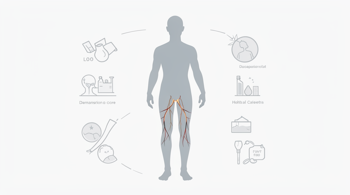
Beyond drug therapy, physical and occupational therapy plays a crucial role in rehabilitation and functional preservation 6. Therapeutic exercises help patients adapt to functional impairments, and orthoses or specialized devices may be recommended to improve comfort and mobility 6. Neuromuscular electrical stimulation is also used in some clinical settings to aid in pain control and help prevent muscle atrophy, reflecting the importance of a multimodal approach to chronic nerve issues 6.
Exercise therapy specifically has gained attention for its ability to modulate neuroplasticity, reduce neuroinflammation, and influence the body's descending pain modulation system 10. While evidence supports the potential for non-drug approaches, clinicians emphasize that individualized exercise prescriptions are essential for safety 10. Furthermore, for patients with diabetes, consistent foot care, including daily inspections and the use of well-fitting footwear, is vital to prevent the secondary complications of reduced pain sensation 11.
Emerging Research and Future Directions
Scientific literature continues to explore new pharmacological targets to improve outcomes for treatment-resistant neuropathy. Recent investigations have highlighted the potential of selective inhibitors like pilavapadin, which targets adapter protein-2-associated kinase 1, and vixotrigine, a broad-spectrum voltage-gated sodium channel inhibitor 9. Preliminary clinical trials have tracked improvements in patient-reported outcomes such as average daily pain scores using these emerging therapeutic agents 9.
Other research focus areas include the role of platelet-rich plasma, which has demonstrated promising results in some case studies by providing longer-lasting pain suppression, though it is not yet considered a standard universal treatment 8. The scientific community remains focused on understanding how reducing inflammation through gene regulation and chemokine suppression might provide more sustainable relief, as existing treatments frequently fail to provide complete or permanent resolution for many patients 8.
Clinical Considerations for Ongoing Management
Because nerve damage can be caused by a wide range of factors, including chemotherapy, autoimmune disease, and systemic infections, ongoing medical evaluation is necessary to monitor for any worsening symptoms 11. Clinicians generally advise that any unexplained, rapidly progressing, or asymmetric onset of symptoms should be evaluated immediately, as these may indicate underlying conditions that require specific interventions 11. Long-term management often requires adjustments to both medications and lifestyle to maintain the best possible quality of life 5.
Ultimately, no single technique or intervention reliably or permanently eliminates neuropathic pain in all patients 8. The current standard of care emphasizes managing expectations, addressing mental health comorbidities, and utilizing a combination of pharmacotherapy and non-pharmacotherapy options to improve daily function 5. Patients are encouraged to work closely with their healthcare providers to develop a personalized, evidence-based plan that balances efficacy with safety and tolerability 5.
Sources
- https://www.mayoclinic.org/diseases-conditions/peripheral-neuropathy/diagnosis-treatment/drc-20352067
- https://my.clevelandclinic.org/health/diseases/14737-peripheral-neuropathy
- https://painmed.org/clinical-guidelines/topical-analgesics-for-neuropathic-pain/
- https://www.health.harvard.edu/pain/analysis-highlights-best-treatments-for-neuropathic-pain
- https://www.aafp.org/afp/2025/0800/pharmacotherapy-chronic-noncancer-pain
- https://www.medlink.com/articles/peripheral-neuropathies-supportive-measures-and-rehabilitation
- https://www.medcentral.com/meds/pain/topical-analgesic-use-for-neuropathic-pain-new-clinical-guide
- https://pubmed.ncbi.nlm.nih.gov/40364650/
- https://www.frontiersin.org/journals/endocrinology/articles/10.3389/fendo.2026.1788702/full
- https://link.springer.com/article/10.1007/s10571-026-01678-x
- General medical research documentation on peripheral neuropathy management
Authored by MyTrendSpot team