Common warning signs that should not be ignored: A Clinical Guide to Symptoms That Need Attention
Common warning signs that should not be ignored include sudden changes in speech, strength, breathing, consciousness, mood, or normal body function. Not every symptom indicates a serious disease, but symptoms that are severe, sudden, persistent, worsening, or disruptive to daily life deserve appropriate medical attention.
Sudden neurological and heart-related symptoms
Sudden facial drooping, weakness or numbness in an arm, confusion, speech difficulty, vision trouble, loss of balance, difficulty walking, or a sudden severe headache are recognized stroke warning signs. The Centers for Disease Control and Prevention advises treating these symptoms as an emergency because rapid assessment is important when neurological function changes abruptly. 1
Heart attack warning signs can include pressure, squeezing, fullness, or pain in the chest, as well as discomfort in the arm, back, neck, jaw, or stomach. Shortness of breath, cold sweating, nausea, and lightheadedness may occur with or without prominent chest pain, according to the American Heart Association. These combinations require emergency evaluation rather than routine observation. 2
Severe breathing, allergic, or infection-related changes
Confusion, clammy skin, a rapid heart rate, fever or shivering, shortness of breath, and extreme pain can be possible signs of sepsis. The CDC describes sepsis as a serious response to infection, and the pattern can be difficult to recognize because symptoms may resemble other illnesses. Worsening infection symptoms combined with altered thinking, breathing difficulty, or profound weakness should be assessed urgently. 3
Difficulty breathing, swelling of the lips, mouth, throat, or tongue, widespread hives, dizziness, or fainting after exposure to an allergen may indicate anaphylaxis. The American College of Allergy, Asthma & Immunology identifies anaphylaxis as a life-threatening reaction requiring emergency treatment. Delaying assessment is especially concerning when breathing or circulation appears affected. 6
Environmental and heat-related warning signs
Headache, dizziness, weakness, nausea, chest pain, or confusion affecting several people in the same indoor environment can be consistent with carbon monoxide poisoning. The CDC states that suspected exposure requires leaving the environment and contacting emergency services. Because carbon monoxide is associated with shared indoor symptoms, a pattern among household members is an important detail to report. 7
Heavy sweating, weakness, dizziness, headache, nausea, and confusion during heat exposure can signal heat-related illness. The CDC identifies altered mental status and loss of consciousness as emergency signs. Heat-related symptoms should not be dismissed as ordinary tiredness when confusion, fainting, or severe weakness develops, because the person may need urgent medical assessment and cooling measures. 8
Persistent physical changes and possible cancer signs
Unexplained weight loss, persistent fatigue, unusual bleeding, a new lump, changing skin or mole features, and bowel or bladder changes are among symptoms the National Cancer Institute lists as possible cancer warning signs. These findings do not establish a diagnosis, but they can justify medical evaluation, particularly when a change is new, continues, or occurs with other unexplained symptoms. 4
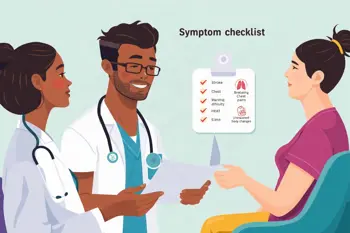
Small changes may also affect urinary and digestive function without being cancer-related. Johns Hopkins Medicine notes that urinary leakage can be associated with urinary infection, arthritis, pelvic-floor problems, or medication effects, while constipation may involve hard, dry stools, straining, or occasional blood. Symptoms that alter routines or cause repeated discomfort should be discussed with a healthcare provider. 11
Mental health and suicide warning signs
Persistent sadness or anxiety, loss of interest, major sleep or appetite changes, difficulty concentrating, and trouble completing normal tasks can be symptoms of depression. The National Institute of Mental Health emphasizes that depression can affect functioning as well as mood. A sustained change in behavior, energy, or daily capability warrants professional attention instead of being characterized automatically as ordinary stress. 9
Talking about wanting to die, feeling hopeless or trapped, withdrawing from others, giving away important possessions, or experiencing extreme mood changes are recognized suicide warning signs. The National Institute of Mental Health identifies these behaviors as reasons for immediate support and risk assessment. A person expressing suicidal thoughts should not be left alone, and emergency services or a crisis resource should be contacted when danger appears imminent. 5
Abuse, recurring symptoms, and when assessment matters
Unexplained injuries, intimidation, threats, isolation from friends or family, monitoring of communications, coercive control, and physical harm can indicate intimate-partner violence. The National Domestic Violence Hotline identifies these patterns as warning signs of abuse. Safety concerns can be complex, particularly when communication is monitored, so seeking support should account for privacy and immediate personal risk rather than assuming the situation is simply a disagreement. 10
Symptoms do not need to be dramatic to deserve review. Guidance from a general-practice source identifies persistent or recurring problems, fatigue lasting more than two weeks, recurring headaches, blood in the stool, and symptoms that disrupt normal routines as reasons to arrange medical assessment. Severe breathing difficulty, chest pain, stroke symptoms, or a sudden severe headache are more appropriate for emergency care than a routine appointment. 12
How to interpret warning signs responsibly
A warning sign is a reason to assess a symptom, not proof of a specific disease. Clinicians consider timing, severity, recurrence, associated symptoms, medications, age, existing conditions, and exposure history. Recording when a symptom began, what worsens it, and whether it affects eating, walking, breathing, sleep, work, or personal safety can make the clinical history more useful without replacing examination or testing. 12
The most important distinctions are sudden versus gradual onset, isolated versus multiple symptoms, and mild versus function-changing effects. A new symptom that worsens, repeatedly returns, causes bleeding, alters consciousness, or interferes with ordinary activities should not be normalized solely because of age or stress. Johns Hopkins Medicine specifically advises discussing seemingly small concerns because they can sometimes signal treatable health conditions. 11
Sources
- Centers for Disease Control and Prevention, Stroke Signs and Symptoms
- American Heart Association, Warning Signs of a Heart Attack
- Centers for Disease Control and Prevention, Sepsis Signs and Symptoms
- National Cancer Institute, Cancer Symptoms
- National Institute of Mental Health, Warning Signs of Suicide
- American College of Allergy, Asthma & Immunology, Anaphylaxis
- Centers for Disease Control and Prevention, Carbon Monoxide
- Centers for Disease Control and Prevention, Heat-Related Illnesses
- National Institute of Mental Health, Depression
- National Domestic Violence Hotline, Identify Abuse
- Johns Hopkins Medicine, Little Health Issues That May Be Bigger Than You Think
- Parkwood Green Medical, When Should You See a GP?
Authored by MyTrendSpot team