High-Quality Dental Implants: A Fast and Accessible Solution: Clinical Evidence and Patient Considerations
High-quality dental implants are increasingly described as a fast and accessible solution, particularly when digital planning allows a temporary tooth or fixed provisional bridge to be placed during the same treatment cycle. The phrase “same-day implant” generally refers to immediate placement and immediate temporary restoration, not completion of biological healing, so the distinction between an early functional result and a final restoration is essential.
What a Dental Implant Actually Replaces
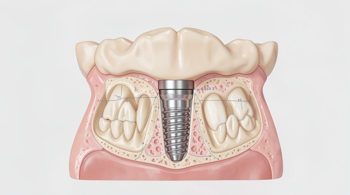
A dental implant replaces the root portion of a missing tooth with a surgically anchored post, most commonly made from titanium, while a crown or bridge replaces the visible tooth. The implant becomes stable through osseointegration, the process in which jawbone fuses with the implant surface. Zirconia is also emerging as a metal-free alternative for implant posts and abutments, although material selection depends on anatomy, restoration design, and clinical judgment. 11
Implant treatment is therefore different from a removable denture or a conventional bridge. The post is placed into bone, and the restoration is designed to distribute chewing forces through that foundation. Long-term clinical summaries commonly report implant success rates between 95% and 98%, but outcomes vary with surgical planning, bone conditions, oral hygiene, smoking status, medical history, and the quality of the final restoration. 12
What “Same-Day” Treatment Usually Means
Immediate-load treatment places the implant and attaches a temporary crown or bridge during the same appointment or within approximately 24 hours. Several clinical descriptions emphasize that the patient may leave with a functional tooth or fixed provisional teeth, while the final permanent crown or bridge is delivered after healing. For an individual implant, the final restoration commonly follows three to six months of osseointegration. 1
Full-arch procedures use a different model. All-on-X treatment can support a complete arch with four or more strategically positioned implants, and some centers provide fixed temporary teeth within 24 hours. Other protocols report final teeth within 48 hours or within several days, but these claims describe specific workflows and materials rather than a universal clinical standard. The phrase “same day” should therefore be clarified before treatment.
| Stage | Typical clinical purpose |
|---|---|
| Planning | Examination, digital impressions, and 3D imaging |
| Surgery | Extraction when needed and implant placement |
| Early restoration | Temporary crown or fixed provisional bridge |
| Healing | Osseointegration before final restoration |
Technology Behind Faster Workflows
Computer-guided implant surgery uses three-dimensional imaging and planning software to map bone volume, nerve positions, and sinus anatomy before surgery. Guided placement can improve positional accuracy and shorten surgical duration, while digital impressions and in-house laboratory production may reduce delays between surgery and provisional restoration. These tools increase planning efficiency, but they do not remove the need for clinical examination or biological healing. 13
Clinical descriptions of same-day workflows repeatedly identify three components: advanced planning before surgery, stable implant fixation, and a rigid temporary restoration that limits movement. Full-arch provisional bridges may be fabricated on site when a dental laboratory is integrated into the practice. This arrangement can compress the logistical timeline, but it does not guarantee that every patient can receive immediate loading or a final prosthesis during the first visit. 8
Eligibility and Reasons Treatment May Change
Immediate loading is generally considered only when the implant achieves sufficient initial stability, the socket is suitable after extraction, and infection or uncontrolled gum disease is absent. Published candidacy descriptions also identify adequate bone density, good general health, and avoidance of smoking as important considerations. A detailed examination and 3D scan are necessary because a missing tooth does not automatically indicate that immediate loading is clinically appropriate. 2
Patients with insufficient bone may require grafting or a different implant plan, while active infection, poor oral hygiene, uncontrolled medical conditions, or unfavorable bite forces may delay restoration. All-on-X techniques can use angled implants to take advantage of stronger available bone, and some people previously considered unsuitable may qualify after updated evaluation. Eligibility remains individual, and treatment plans can change after imaging or extraction.
- Bone volume and implant stability
- Condition of the extraction site
- Presence of infection or gum disease
- Smoking and overall health
- Bite forces, hygiene, and ability to follow restrictions
Costs, Financing, and Market Friction
Published clinic examples show substantial geographic and procedural variation. One source reports approximately $1,500 to $2,500 per tooth in Miami and $1,000 to $1,500 per tooth in Medellín, while a Dallas full-arch example lists a starting figure of $9,995 per arch. These figures are provider-specific examples, not national averages, and may differ according to extractions, sedation, grafting, laboratory work, imaging, and the final prosthesis. 1 5
Insurance coverage for implants varies by plan, and dental financing programs are commonly used to divide out-of-pocket expenses over time. A meaningful comparison requires an itemized treatment estimate showing whether the stated amount includes diagnostics, temporary teeth, final teeth, maintenance, replacement parts, and complications. Lower quoted totals can reflect exclusions rather than a lower total treatment cost. 14
Risks, Healing, and Long-Term Maintenance
Fast restoration does not accelerate the body’s healing process. The implant still must integrate with bone, and loading an unstable implant can compromise the result. Possible complications include infection, inflammation around the implant, inadequate integration, prosthetic fracture, bite problems, and the need for additional surgery. Smoking and inconsistent hygiene can increase clinical concerns, making post-treatment instructions part of the treatment itself.
After the final crown or bridge is placed, implants require daily cleaning and professional monitoring. Fixed full-arch teeth are not self-cleaning, and access beneath a bridge must be maintained with appropriate brushes or other aids selected by a dental professional. Periodic examinations can identify loose components, gum inflammation, wear, or changes in the supporting bone before they become more difficult to manage. The long-term outcome depends on maintenance as well as surgical skill.
How to Assess Quality Without Relying on Speed
Quality assessment should focus on diagnosis, credentials, transparent planning, materials, laboratory support, and follow-up rather than the number of hours advertised. Important questions include who performs surgery, who designs the restoration, which implant system is used, what warranty terms actually cover, and what happens if the temporary or final prosthesis requires adjustment. Experienced oral surgeons and prosthodontists are identified in general guidance as important factors in implant longevity. 15
A responsible treatment explanation should distinguish temporary from permanent teeth, identify healing restrictions, describe alternatives such as bridges or dentures, and document risks in consent materials. Patients should also receive a maintenance schedule and an explanation of what is included in the written estimate. The most accessible pathway is not necessarily the fastest advertised pathway; it is the one that matches anatomy, health, expectations, and the ability to complete follow-up care.
Sources
- Smile Dental Center Group, “Same-Day Dental Implants: Cost & Candidacy”
- Ponce Dental Studio, “Same-Day Dental Implants in Atlanta”
- Dental by Design, “Same Day Dental Implants”
- Central Coast Dental Implant Center, “Teeth in a Day”
- Advanced Dentistry Dallas, “Teeth in a Day”
- Nuvia Smiles, “Same Day Dental Implants”
- Dr. Lee Sheldon, “Solid Bite Immediate”
- Fusion Dental Implants, “Same Day Teeth Roseville”
- Dr. Jaydev Dental, “24-Hour Dental Implants”
- GD Dentistry, “All-on-X Dental Implants”
- American Academy of Periodontology, “Dental Implants”
- National Institutes of Health, “Dental Implants”
- Journal of Clinical Medicine, research on computer-guided implant surgery
- Delta Dental, “Dental Implants”
- American Dental Association, implant-related oral health guidance
Authored by MyTrendSpot team