Ways to manage bloating at home: An Evidence-Based Clinical Overview
Bloating is a common, subjective sensation characterized by a feeling of fullness, tightness, or pressure in the abdomen, often accompanied by visible distension 14. While frequently transient and harmless, it can cause significant discomfort 12. Managing this condition typically involves identifying underlying triggers, such as dietary choices, lifestyle habits, or digestive health patterns 45. This guide examines evidence-based strategies for alleviating symptoms at home while maintaining a focus on when professional medical evaluation is required 7.
Understanding the Physiology of Abdominal Bloating
Bloating is not considered a medical diagnosis itself, but rather a symptom of various digestive processes 49. It occurs when the abdomen feels full, hard, or tight, sometimes leading to a measurable increase in girth known as distention 15. Excess gas is a primary culprit, often created when gut bacteria ferment undigested carbohydrates in the large intestine 29. Additionally, the ingestion of air through activities like chewing gum, smoking, or drinking through a straw contributes to the total volume of gas within the digestive tract 9.
Beyond gas, factors such as gut sensitivity and motility play significant roles in how bloating is perceived 5. Some individuals experience intense discomfort even without excessive gas, suggesting that the way the abdominal muscles respond or how quickly contents move through the system is equally critical 5. Furthermore, constipation can trap gas behind stool, leading to increased pressure and prolonged distention 39. Recognizing these mechanisms is essential for adopting effective management techniques that move beyond temporary fixes 4.
Dietary Modifications and Trigger Identification
Dietary choices are among the most controllable factors in reducing bloating. Many individuals benefit from limiting high-FODMAP foods, which are fermentable carbohydrates that can cause rapid gas production in the gut 89. Common triggers often cited by experts include cruciferous vegetables, legumes, certain stone fruits, and wheat products 28. Additionally, artificial sweeteners such as sorbitol or xylitol are known to cause digestive distress in sensitive populations 810.
Tracking dietary intake through a food diary can help reveal patterns between specific meals and the onset of symptoms 8. Implementing small, frequent meals rather than large, heavy ones may also improve digestion and prevent the feeling of excessive fullness 2. It is also recommended to increase fiber intake gradually, as rapid spikes in fiber consumption can initially worsen gas and discomfort before long-term digestive benefits are realized 6.
The Role of Lifestyle and Physical Activity
Lifestyle habits significantly influence digestive efficiency and gas clearance. Engaging in regular physical activity, including light walking, has been shown to improve bowel motility and help release trapped gas from the digestive system 2. Gentle physical movements can stimulate the intestines, facilitating the passage of gas and stool that might otherwise cause painful pressure 12.
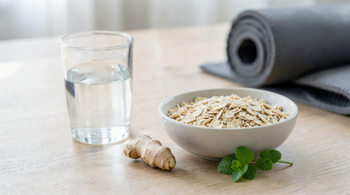
Mindful eating practices also serve as a key strategy for reducing air ingestion. Strategies such as chewing food thoroughly and eating with one's mouth closed can significantly decrease the amount of air swallowed during meals 2. Furthermore, maintaining adequate hydration is essential, as water assists the body in processing fiber and keeps the digestive tract functioning smoothly, which is critical for those prone to constipation-related bloating 29.
Targeted Home Remedies for Symptom Relief
Certain interventions can provide localized relief when discomfort is high. Applying a heating pad or a warm water bottle to the abdomen can help relax digestive muscles and soothe cramping or tension 8. Gentle abdominal massage, performed from the right to left side, is also a recommended technique for encouraging the movement of trapped wind through the colon 2.
In addition to physical interventions, certain natural aids may support digestive comfort. Peppermint oil, often consumed in capsule or tea form, has been noted for its potential to relax the muscles of the digestive tract, allowing gas and stool to move more easily 1. Similarly, incorporating probiotics or fermented foods like kefir or sauerkraut into a regular diet may help balance the gut microbiome and potentially reduce excessive gas production in some individuals 5.
Medical Oversight and When to Consult a Professional
While most bloating is temporary and linked to lifestyle or diet, it is important to distinguish between common discomfort and symptoms requiring medical evaluation 59. Persistent or unexplained bloating that does not resolve with standard home management warrants a visit to a healthcare provider 12. Doctors may investigate underlying conditions such as irritable bowel syndrome (IBS), celiac disease, inflammatory bowel disease (IBD), or food intolerances 26.
Patients should seek professional medical advice if bloating is accompanied by warning signs known as red flags. These include unexplained weight loss, blood in the stool, recurring vomiting, severe or worsening abdominal pain, or significant changes in bowel habits 467. In such cases, diagnostics may be required to rule out more serious health issues, such as ovarian or other gastrointestinal pathologies 2.
Summary of Evidence-Based Approaches
Effective management of bloating relies on a multifaceted approach that addresses both diet and behavior. The following table summarizes key, non-clinical interventions recommended for managing everyday symptoms.
| Category | Action | Mechanism of Action |
|---|---|---|
| Diet | Eat slowly and chew thoroughly | Reduces air ingestion |
| Diet | Limit high-FODMAP foods | Decreases gas fermentation |
| Lifestyle | Regular light exercise | Promotes bowel motility |
| Lifestyle | Adequate hydration | Supports fiber digestion |
| Relief | Apply warm compress | Relaxes abdominal muscles |
| Relief | Gentle massage | Encourages gas passage |
Sources
- Cleveland Clinic: Bloating: What It Is, Causes & When To Be Concerned
- NHS: Bloating
- Johns Hopkins Medicine: Bloating: Causes and Prevention Tips
- Acibadem Hospitals Group: Debloat: An Evidence-Based Guide for Patients
- Good Housekeeping: 3 Ways to Stop Feeling Bloated, According to Dietitians
- Canadian Digestive Health Foundation: Dietitian-Approved Strategies to Help Reduce Bloating
- Acibadem Hospitals Group: Bloating Treatment Over The Counter Guide
- Virtua Health: How to Relieve Bloating Fast: Simple Tips for Quick Comfort
- The Lakes Family Medical Centre: What’s Causing Belly Bloat?
- Northwell Health: How to beat the summer bloat
Authored by MyTrendSpot team